
How To
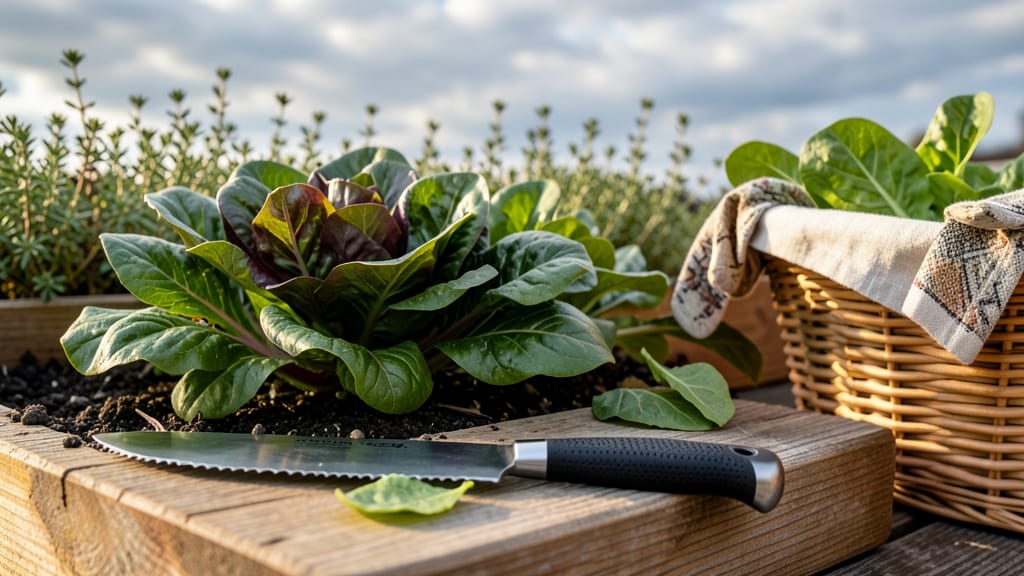
To harvest bib lettuce at the perfect moment means crisp, sweet leaves that stay tender—no bitter aftertaste or tough stems. 🥬 The trick is timing: wait until outer leaves reach 4–6 inches, then snip just above the inner rosette to encourage regrowth.
Picture this: you’ve nurtured your bib lettuce for weeks, and now the leaves are finally ready—but you’re not sure how to cut them without ruining the plant. Too early, and you’ll get small, underdeveloped greens; too late, and the flavor turns bitter.
I’ll show you the exact techniques to extend your harvest season without sacrificing taste.
Beyond the right time, the tools and method matter. A sharp pair of scissors (not your kitchen knife) prevents crushing, and cutting at the base of the outer leaves lets the inner ones keep growing.
This cut-and-come-again approach can give you multiple harvests from a single plant—ideal for home gardeners who want fresh greens all season.
Ready to master it? You’ll also learn how to store your harvest for up to a week in the fridge, spot early signs of bolting (the bitter enemy of sweet lettuce), and troubleshoot common mistakes that turn crisp leaves to mush. Let’s get started.
When and how to harvest bib lettuce for maximum freshness
Harvesting bib lettuce at the right time transforms your garden into a crisp, sweet green machine. The key lies in watching for 4-6 inch leaves with vibrant color—this is when they’re most tender.
Waiting too long risks bitterness, while harvesting too early means missing out on full flavor development. I’ve learned the hard way that timing is everything for this delicate variety!
Bib lettuce thrives on a cut-and-come-again approach, where you harvest outer leaves first. This method lets the inner leaves keep growing, giving you a prolonged harvest window. The secret is to never remove more than 1/3 of the plant at once—this keeps your lettuce productive without stressing the core.
Here’s what to look for when checking maturity: leaves should be fully unfurled but still compact, with a deep green color and crisp texture. Avoid harvesting when leaves appear yellowing or wilted—this signals over-maturity or stress.
I always check in the morning when leaves are fully hydrated for the most accurate assessment.
Seasonal timing matters too. In spring and fall, bib lettuce matures faster due to cooler temperatures. During hot summers, growth slows, and you’ll need to be extra vigilant about shade protection to prevent bolting. My best harvests come in May-June and October-November when temperatures are mild.
| Harvest Stage | Leaf Characteristics | Best Practice | Tools Needed |
|---|---|---|---|
| Early Harvest | Leaves 2-3 inches, pale green | Avoid harvesting—leaves too small | None |
| Ideal Harvest | Leaves 4-6 inches, deep green, crisp | Cut outer leaves with clean scissors | Sharp scissors or knife |
| Over-Mature | Leaves >6 inches, yellowing, tough | Harvest entire head or compost | Garden shears |
| Bolting Risk | Tall stems, bitter leaves | Harvest immediately, provide shade | Shade cloth |
When harvesting, always use clean, sharp scissors or a knife to avoid crushing leaves. Cut just above where the outer leaves meet the inner rosette—this prevents damage to the growing point.
I’ve found that harvesting in the early morning gives the best results, as leaves are fully turgid and flavorful after a night’s rest.
For cut-and-come-again harvesting, focus on the largest outer leaves first. This method can extend your harvest by 3-4 weeks compared to cutting the whole head. Just remember to leave at least 2-3 inches of growth at the base to encourage regrowth.
If you see the center leaves starting to yellow, it’s time for a full harvest.
Storage is just as important as harvesting. Wrap freshly cut leaves in a damp paper towel and store in a plastic bag in the fridge. They’ll stay crisp for 5-7 days this way.
For long-term storage, consider blanching leaves by wrapping them in newspaper and storing in the crisper drawer—this maintains sweetness for up to 2 weeks.
If your bib lettuce starts to bolt (send up tall flowering stems), don’t panic. While it’s not ideal, you can still harvest the leaves before they become too bitter. Simply cut the entire head at the base and use the leaves immediately in salads or sandwiches.
This often happens when days get longer and hotter—so plan your harvests accordingly!
One common mistake I see is harvesting in direct sunlight, which causes leaves to wilt and develop bitter flavors. Always harvest in the shade or early morning.
Also, avoid cutting too close to the base—this can expose the core to rot. With these tips, you’ll enjoy crisp, sweet bib lettuce all season long!
Step-by-step harvesting methods: cut-and-come-again vs. whole-head removal
When your bib lettuce reaches maturity, you’ll face a choice: extend your harvest with cut-and-come-again or harvest the whole head for storage. Each method offers unique benefits depending on your goals. The cut-and-come-again technique lets you harvest outer leaves repeatedly, while whole-head removal ensures maximum crispness for long-term storage.
Let’s break down both methods so you can decide which works best for your garden.
For cut-and-come-again harvesting, I recommend using a pair of sharp pruning shears or a clean kitchen knife. Start by cutting the outer leaves just above the base of the plant, leaving the inner leaves intact.
This method works best when your lettuce is 45-60 days old and has at least 6-8 fully formed leaves. The goal is to encourage regrowth, so avoid cutting more than one-third of the plant at a time to prevent stress.
If you’re planning to store your harvest for later use, whole-head removal is the way to go. Use a sharp knife or garden shears to cut the entire head about 1 inch above the soil line.
This method is ideal for spring or fall harvests when temperatures are cooler, as it preserves the lettuce’s crisp texture and sweet flavor longer. For best results, harvest in the early morning when leaves are fully hydrated and cool.
Cut-and-Come-Again Harvesting
- Extends harvest season
- Encourages regrowth
- Great for fresh use
- Leaves may lose crispness
- Requires frequent attention
- Not ideal for storage
Whole-Head Removal
- Best for storage
- Preserves crispness
- Harvest all at once
- Ends harvest season
- Requires immediate use or storage
- Less regrowth potential
After harvesting, post-harvest care is key to maintaining crispness. For cut-and-come-again lettuce, rinse the remaining plant with cool water and trim any damaged leaves. Keep the soil moist but not soggy and place the plant in partial shade for a few days to recover.
For whole-head removal, rinse the lettuce gently and pat dry with a clean towel. Store in a plastic bag with a paper towel to absorb moisture, and refrigerate at 32-36°F for up to 10 days.
One common mistake I see is harvesting in direct sunlight, which can cause leaves to wilt or turn bitter. Always harvest in the early morning or late evening when temperatures are cooler.
Additionally, avoid cutting too close to the base of the plant, as this can damage the growing point and stunt regrowth. With the right technique, you can enjoy crisp, sweet bib lettuce for weeks or even months!
Whether you choose cut-and-come-again or whole-head removal, timing and technique are everything. Experiment with both methods to see which works best for your garden and storage needs. Happy harvesting!