
How To
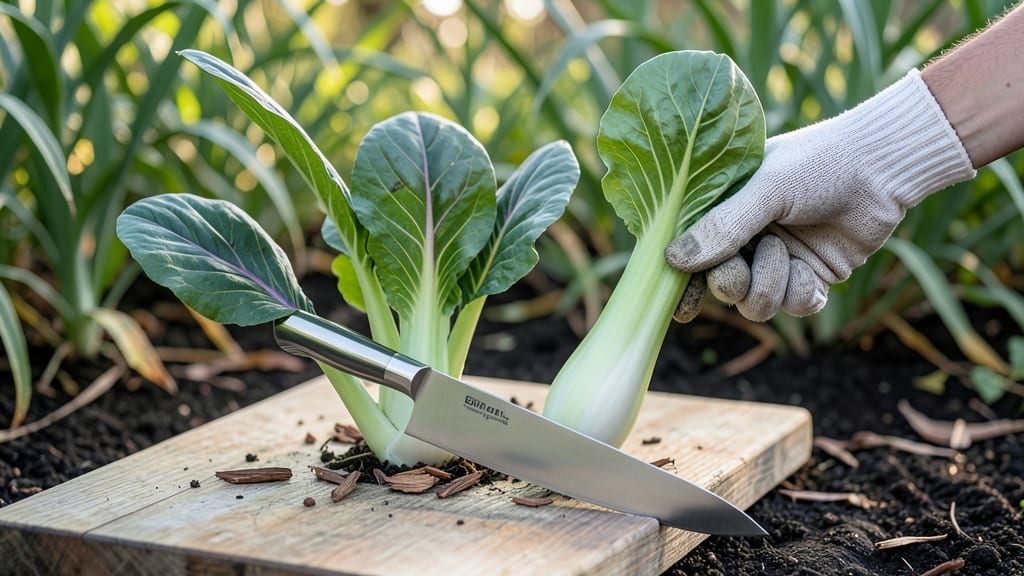
To harvest bok choi 🥬 at its peak, cut outer leaves when they reach 6-8 inches—this keeps the plant producing for weeks while avoiding the bitter taste of overgrowth.
Bok choi isn’t just a one-time harvest crop—with the right techniques, you can enjoy fresh, tender greens for weeks by harvesting leaf by leaf. But timing, method, and regrowth secrets make all the difference between a single bounty and a continuous supply.
Most gardeners assume they need to pull the whole plant, but that’s a mistake. By snipping just the outer leaves, you encourage new growth at the base, turning one harvest into three or four over the season.
Below, I’ll walk you through the exact leaf size to watch for, the best cutting tools to use, and how to store your harvest so it stays crisp for salads or stir-fries for days.
When and how to harvest bok choi for maximum yield
Harvesting bok choi at the right time ensures tender, flavorful greens while encouraging regrowth for multiple harvests. The key is patience—waiting until the outer leaves reach 6-8 inches while keeping the inner leaves young and sweet.
If you harvest too early, you’ll miss peak flavor, but if you wait too long, the plant may bolt (flower prematurely), ruining both taste and regrowth potential.
I’ve found that leaf-by-leaf harvesting is the gold standard for bok choi. This method lets you enjoy fresh greens for weeks instead of just once. Start by cutting the largest, outermost leaves first—this protects the growth point at the center, allowing new leaves to form.
Think of it like trimming your hair: you want to keep the roots healthy while harvesting the longest strands first.
Before you grab your pruning shears, check for these 3 key signs your bok choi is ready: dark green leaves, a ½-inch-thick stem, and crisp texture. The leaves should also be upright and firm, not wilted or floppy.
If you see yellowing leaves or the plant starting to flower (those white or yellow buds), it’s past its prime for harvesting.
Step-by-Step Bok Choi Harvest Guide
-
Step 1: Choose the Right Tool
Use clean, sharp pruning shears or a chef’s knife to avoid crushing stems. Dull tools cause damage that invites pests and disease. -
Step 2: Locate the Growth Point
Identify the center rosette of leaves where new growth emerges. This is your harvesting zone—never cut into it. -
Step 3: Cut Outer Leaves First
Snip or cut 1-2 outer leaves at a time, leaving at least half the plant intact. Aim for leaves 6-8 inches long for best flavor. -
Step 4: Leave 2-3 Inches of Stem
Cut leaves just above a leaf node (where new leaves sprout). This encourages lateral regrowth and prevents stunting. -
Step 5: Harvest Every 7-10 Days
Repeat the process every 1-2 weeks to maintain continuous production. Stop when the plant bolts (sends up a flower stalk). -
Step 6: Store Properly
Wrap harvested leaves in a damp paper towel and store in a plastic bag in the fridge for up to 1 week to preserve crispness.
Pro Tip: Harvest in the morning when leaves are cool and crisp for the best texture.
One of my biggest mistakes early on was harvesting too many leaves at once. I thought I was being efficient, but I ended up with a stunted plant that took forever to recover.
Now, I follow the “third rule”: never remove more than ⅓ of the plant in a single harvest. This keeps the energy balance right for regrowth.
If your bok choi starts to bolt (sending up a tall flower stalk), it’s a sign you’ve missed the harvest window. Bolting happens when the plant senses heat or age stress, and once it flowers, the leaves become bitter and tough.
To prevent this, harvest regularly and keep the plant well-watered and fed with nitrogen-rich fertilizer (like 5-10-10).
For container-grown bok choi, the harvest process is similar, but you’ll need to be even more careful with spacing. If you’re growing multiple plants in a 5-gallon pot, thin them to 3-4 plants per container to avoid overcrowding.
Overcrowded plants compete for nutrients and light, leading to smaller leaves and slower regrowth.
After harvesting, give your bok choi a light feeding with a balanced fertilizer (like 1 tbsp of 5-10-10 per plant) to replenish nutrients. Water deeply in the morning to encourage strong root development. Within 7-10 days, you’ll see new leaves emerging—ready for your next harvest!
Remember, bok choi is a cool-season crop, so timing matters. In hot climates, harvest in the early spring or fall to avoid bolting. If you’re in a warmer zone, opt for shade-tolerant varieties like ‘Toy Choy’ or ‘Baby Bok Choy’, which handle heat better.
With these techniques, you’ll enjoy fresh bok choi for months instead of just a single harvest. The secret? Patience, precision, and post-harvest care—just like pruning a fruit tree for continuous yields. Happy harvesting! 🥬✂️🌱
Bok choi regrowth secrets: how to extend your harvest season
After harvesting your bok choi, don’t toss the plant—give it a chance to regrow! With the right post-harvest care, you can enjoy fresh greens for months.
The key lies in watering consistency, nutrient balance, and proper spacing to encourage new growth. I’ve learned that bok choi is surprisingly resilient when treated gently.
Once you’ve harvested the outer leaves, focus on revitalizing the plant by keeping the soil moist and adding a light fertilizer. Bok choi thrives with partial sun exposure and regular checks for pests or disease.
In my garden, I’ve extended harvests by up to 6 weeks using these simple tricks.
🌱 Bok Choi Regrowth Checklist
- 1. Trim carefully: Cut outer leaves 1 inch above the base, leaving inner leaves intact.
- 2. Water deeply: Keep soil consistently moist but avoid waterlogging.
- 3. Fertilize lightly: Use balanced fertilizer (5-10-10) every 4-6 weeks.
- 4. Space plants: Thin seedlings to 6-8 inches apart for airflow and growth.
- 5. Monitor pests: Watch for aphids or cabbage worms and treat organically.
For year-round harvesting, adjust your approach based on the season. In spring and fall, bok choi grows quickly with cooler temps, while summer heat may slow regrowth. I’ve found that providing light shade during hot afternoons helps maintain tenderness. Mulching also keeps roots cool and retains moisture.
Don’t forget to rotate crops if growing bok choi repeatedly in the same spot. This prevents soil depletion and reduces disease risk. I’ve seen my plants rebound faster after a compost top-dressing or fish emulsion feed. The goal is to mimic natural growing conditions while encouraging regrowth.
If your bok choi starts to bolt (flower), it’s a sign of stress—likely from heat or overmaturity. To prevent this, harvest leaves before stems thicken and avoid cutting into the center growth point. With patience, you’ll enjoy a steady supply of homegrown bok choi all season long.
Pro tip: Harvest in the morning when leaves are crispest, and always use clean, sharp scissors to avoid damaging stems. This small effort makes a big difference in regrowth success. Happy gardening!