
How To
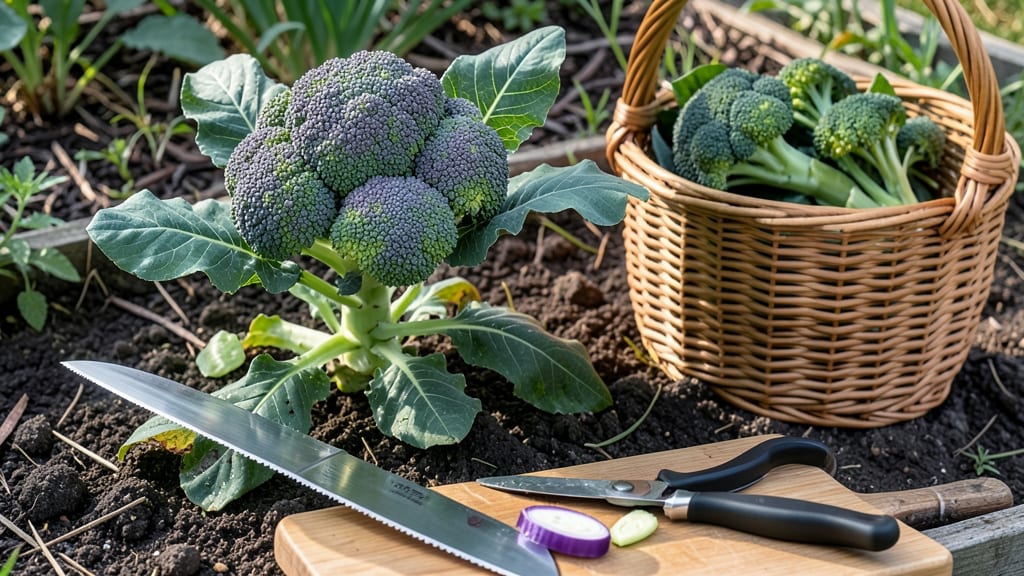
Harvesting broccoli the right way means cutting for flavor and future growth, not just one big head — and the timing makes all the difference 🥦.
Picture this: you’ve waited months for your lush green crowns to form, only to snip them too late, leaving bitter florets and a plant that won’t rebound. Or worse, you harvest too early and miss out on the maximum yield your garden could deliver.
Getting it right isn’t just about one perfect head—it’s about unlocking the cut-and-come-again secret that keeps your broccoli producing for weeks.
In this guide, I’ll walk you through the exact signs to watch for—firm florets, deep color, and that telltale snap when you bend the stem—so you never miss the window.
You’ll also learn the proper cutting technique that encourages regrowth (and the mistakes that kill future harvests), plus post-harvest care to keep your plants thriving.
Whether you’re a first-time gardener or a seasoned green thumb, these steps will ensure your broccoli stays productive, flavorful, and ready to harvest again and again.
When to harvest broccoli: size, color, and flower bud signs
Timing your broccoli harvest perfectly ensures peak flavor and future regrowth for cut-and-come-again varieties. The key lies in watching three critical signs: head size, color depth, and bud tightness.
Harvest too early, and you’ll sacrifice yield; wait too long, and the florets turn bitter or flower, ruining both taste and the plant’s ability to produce more heads.
For most broccoli varieties, the ideal harvest window falls between 70-100 days after planting, but visual cues matter more than days alone. The main head should be 4-8 inches wide, with tightly packed florets that haven’t yet started to open.
This compact structure is your green light to harvest—loose or spreading florets mean you’ve missed the boat.
Color is another dead giveaway. Deep green florets signal readiness, while yellowing or browning edges mean the head has over-matured. Heirloom varieties like Purple Sprouting Broccoli or Calabrese may show purple or white hues instead, but the same color intensity rules apply. A vibrant, uniform color ensures sweetness and tenderness.
Don’t ignore the flower buds either. If you see tiny yellow flowers peeking out, it’s a clear sign the head has passed its prime. These buds will only grow more pronounced, turning the florets bitter and woody.
For cut-and-come-again varieties, this is especially critical—once the main head flowers, the plant’s energy shifts to seed production, halting side shoot growth.
Here’s how to spot the perfect harvest moment at a glance, whether you’re growing traditional or regrowing types:
| Sign | Traditional Varieties | Cut-and-Come-Again Varieties |
|---|---|---|
| Head Size | 4–6 inches wide, firm | 4–8 inches wide, compact |
| Color | Deep green (or purple/white for heirlooms) | Uniform, vibrant color |
| Floret Tightness | Tightly closed, no gaps | Tightly closed, side shoots forming |
| Stem Test | Snaps easily when bent | Firm but flexible stem |
| Flower Buds | No visible yellow flowers | Side shoots must be pre-flowering |
For cut-and-come-again varieties, pay extra attention to the side shoots forming around the main head. These smaller stems will produce 3-5 additional harvests if you cut the main head at the right time.
Look for shoots that are at least 2 inches long—they’ll develop into full-sized heads if given proper care after harvest.
One common mistake is waiting until the head is too large. While a 6-inch head might seem ideal, it’s often past its prime. Over-mature broccoli develops a woody stem and bitter florets, which are unappealing to eat and won’t regrow well.
If you’re unsure, err on the side of harvesting slightly early—you can always leave a few heads to mature for seed saving.
Temperature also plays a role. In hot climates, broccoli may bolt (flower prematurely) if stressed by heat. If your plants start sending up flower stalks before the heads are ready, consider harvesting smaller heads or providing shade cloth to delay bolting.
Conversely, in cooler regions, heads may take longer to reach harvest size, so monitor growth closely.
Pro tip: Use a sharp knife or pruners to cut the stem about 5-7 inches below the head. This leaves enough stem to support regrowth while avoiding damage to the plant’s base.
After harvest, water deeply and fertilize lightly to encourage new side shoots to form within 2-3 weeks.
Finally, keep an eye on the calendar. If your growing season is short, prioritize harvesting the main head when it’s ready, even if side shoots aren’t fully developed.
Some varieties, like De Cicco, are bred specifically for smaller, faster regrowth, making them ideal for cooler climates or late-season planting.
By mastering these visual cues, you’ll transform your broccoli plants from one-time harvests into continuous producers that keep your kitchen stocked all season long. 🌱
Step-by-step broccoli harvesting technique for cut-and-come-again success
Mastering the cut-and-come-again method transforms your broccoli plant from a one-time harvest into a continuous producer. The key lies in precise cutting—too close to the stem, and you’ll kill future growth; too high, and you waste potential side shoots.
I’ve perfected this technique over years of gardening, and it’s easier than you think.
Start by gathering your tools**: a sharp pruning shears or knife, a bucket of ice water (to preserve freshness), and a garden journal to track regrowth. The right tools make all the difference between a messy harvest and a clean, efficient process that keeps your plant thriving.
How to Harvest Broccoli for Regrowth
-
Step 1: Identify the Perfect Head
Look for a compact head with tightly closed florets, deep green color, and a diameter of 4-8 inches. Avoid heads where buds are starting to yellow or spread—this signals over-maturity.
-
Step 2: Cut at the Right Angle
Use your pruning shears to cut the main head 1-2 inches below the florets, leaving a small stem stub. This prevents rot while allowing side shoots to form. Never cut into the main stem—this kills the plant.
-
Step 3: Submerge Immediately
Place the harvested head in your ice water bucket for up to 2 hours. This preserves crispness and slows wilting, giving you time to process or store it. Pro tip: Add a lemon slice to the water to maintain color.
-
Step 4: Harvest Side Shoots
Within 2-3 weeks, your plant will produce small side shoots along the stem. Harvest these individually when they reach 3-4 inches in diameter, using the same cutting technique. Each side shoot is a mini harvest—don’t ignore them!
-
Step 5: Fertilize for Regrowth
After harvesting, feed your plant with a balanced fertilizer (10-10-10) to support new growth. Water deeply to help the plant recover. Avoid over-fertilizing—this can lead to bitter side shoots or weak stems.
One of the biggest mistakes I see is cutting too close to the stem or using a dull knife, which crushes the plant tissue. This invites disease and stunts regrowth.
Always use a sharp, clean tool and make a single, smooth cut. Another common error? Waiting too long to harvest side shoots—they’ll turn woody and bitter if left unchecked.
With this method, a single broccoli plant can yield 3-5 harvests over its lifetime. I’ve had my ‘De Cicco’ broccoli plants produce for 8 weeks straight using this technique. The secret? Consistency and patience. Your plant will thank you with bountiful, flavorful heads all season long.
For best results, harvest in the morning when temperatures are cool. This keeps your broccoli crisp and fresh longer. Store harvested heads in the crisper drawer of your fridge for up to 5 days, or freeze them for longer storage.
Happy harvesting—your garden (and taste buds) will love the results! 🥦