
How To
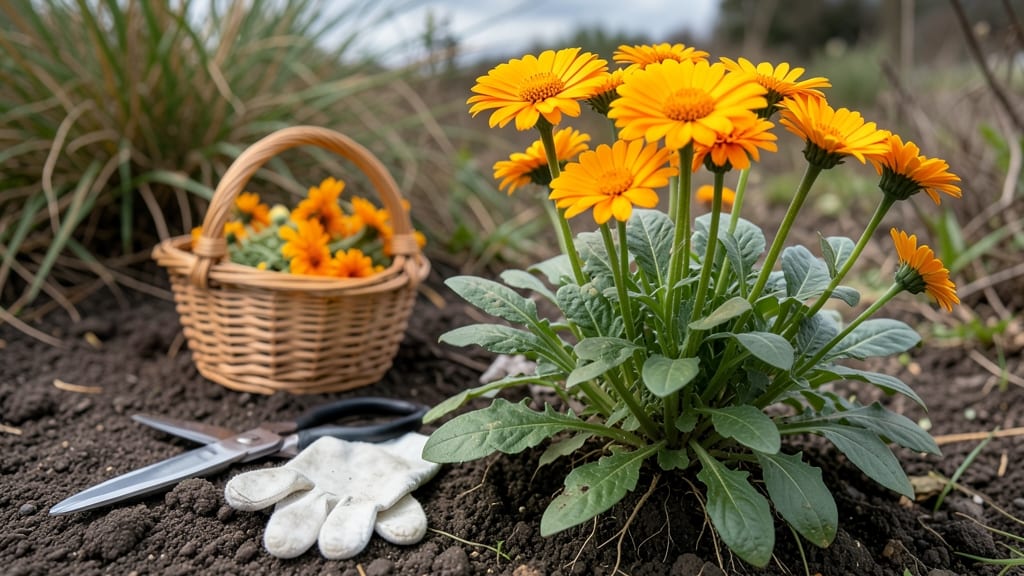
Harvesting calendula for tea means picking vibrant petals at their peak and preserving their soothing properties 🌼—the key to a flavorful, anti-inflammatory brew.
Picture this: you’ve nurtured your calendula plants all season, watching their bright blooms unfurl, only to wonder, "When is the perfect moment to harvest?" Too early, and the petals lack potency; too late, and they wilt into bitterness.
The difference between a mediocre cup and a healing infusion often comes down to timing and technique.
Calendula isn’t just pretty—its petals and leaves pack anti-inflammatory, skin-soothing, and digestive benefits, making it a garden-to-cup superstar. But to unlock those benefits, you’ll need to know exactly when to snip the flowers (fully open but before wilting) and how to dry them properly to avoid mold or flavor loss.
In this guide, I’ll walk you through the step-by-step process—from identifying the perfect blooms to drying and storing them for the longest shelf life. You’ll leave with a foolproof method to turn your garden harvest into a calming, homegrown tea.
When and how to harvest calendula flowers for tea (best practices)
Harvesting calendula flowers at the perfect moment transforms your garden into a medicinal goldmine. For tea, you want fully open blooms with vibrant petals—this ensures maximum flavor and anti-inflammatory compounds.
The timing matters just as much as the technique, so let’s break down the best morning vs. afternoon harvesting windows and how to handle those delicate petals.
Morning harvests between 8 AM and 10 AM yield the freshest petals, as dew has evaporated but humidity is still low. This reduces wilting and preserves volatile oils that give calendula tea its signature earthy sweetness.
Avoid harvesting after 2 PM, when petals may start wilting from heat stress, dulling both flavor and medicinal benefits.
Never harvest flowers that are partially closed or show signs of browning at the center—these indicate overmaturity. Instead, look for blooms with fully unfurled petals and a firm, slightly woody stem. The petals should snap cleanly when gently pinched, signaling peak potency.
Seasonal timing also plays a role. In USDA Zone 6a, calendula typically blooms from June to October, with the most abundant harvests occurring in July and August. For continuous harvests, plant successive batches every 2-3 weeks starting in April to extend your tea-making season.
Now, let’s compare the best harvesting methods to maximize your yield while keeping the plants healthy and productive.
| Harvest Method | Best Time | Tools Needed | Yield Impact | Plant Health |
|---|---|---|---|---|
| Morning Harvest | 8 AM - 10 AM | Clean pruning shears, basket | Highest potency, vibrant color | Encourages more blooms |
| Afternoon Harvest | Before 2 PM | Shears, gloves (optional) | Lower flavor intensity | May stress plants |
| Selective Harvesting | Morning only | Shears, small containers | Consistent quality | Promotes bushier growth |
| Bulk Harvesting | Morning, weekly | Large basket, shears | High volume, mixed quality | May reduce future blooms |
When harvesting, always use clean, sharp pruning shears to avoid crushing stems or damaging leaves. Cut stems at a 45-degree angle, about 1 inch above a leaf node to encourage new growth. Avoid tugging flowers by hand, as this can tear petals and reduce their shelf life.
For tea-making, focus on fully open blooms—these contain the highest concentration of carotenoids and flavonoids. Discard any flowers with brown centers or yellowing petals, as these can impart bitter flavors. A good rule of thumb: if a bloom doesn’t snap cleanly when pinched, it’s past its prime.
To preserve freshness, lay harvested flowers on a clean, dry towel in a single layer and allow them to air-dry for 3-5 days in a dark, well-ventilated space. Avoid direct sunlight, which can bleach petals and degrade beneficial compounds.
Once fully dry, store petals in airtight glass jars away from moisture and light for up to 12 months.
Pro tip: Label your jars with the harvest date to track freshness. Older calendula petals still make tea, but their anti-inflammatory properties diminish over time. For the strongest tea, use flowers harvested within the first 6 months of storage.
With these techniques, you’ll transform your calendula garden into a year-round source of soothing, homegrown tea. Happy harvesting! 🌼✂️
Harvesting calendula leaves for tea: when to pick and how to preserve freshness
Calendula leaves pack a milder, earthier flavor than their vibrant petals, making them perfect for soothing herbal infusions.
Unlike flowers, which should be picked at peak bloom, leaves benefit from careful selection based on maturity. Young, tender leaves (the top 2-3 inches) release the most delicate flavors, while older leaves add a slightly bitter depth.
The key lies in timing—harvesting when the plant is actively growing but before heat stress sets in.
For maximum potency, focus on leaves from morning harvests when essential oils are most concentrated. Avoid picking after rain or late in the day, as moisture can accelerate wilting and reduce shelf life.
Even a single overripe leaf can spoil an entire batch, so inspect your plants regularly for yellowing or curling signs of stress.
❌ Harvesting after pesticides: Wait 30 days after treatment to ensure safe consumption.
❌ Storing wet leaves: Even slight moisture causes mold—always dry leaves completely before storage.
Once harvested, air-drying calendula leaves is the simplest method. Bundle 5-10 stems together and hang upside-down in a dark, well-ventilated space (like a closet or pantry) for 1-2 weeks.
For faster results, use a dehydrator at 95°F for 2-3 hours, spreading leaves in a single layer. Test dryness by crushing a leaf—it should crumble easily without moisture.
To preserve flavor and medicinal properties, store dried leaves in airtight glass jars away from direct sunlight. Label with the harvest date—leaves retain potency for up to 12 months if stored properly.
For extended freshness, freeze leaves in ice cube trays with a bit of water; thaw and use directly in teas without drying.
If your leaves wilt prematurely, check for three common causes: overcrowded plants (reduce density), improper drying conditions (increase airflow), or storage in humid environments (use silica gel packets). Revive slightly wilted leaves by placing them in a paper bag overnight—the ethylene gas helps restore turgidity before drying.
For a flavor boost, harvest leaves just before flowering when the plant’s energy shifts from growth to bloom. This period (late spring to early summer) yields the most aromatic leaves.
Pair dried calendula leaves with chamomile or peppermint for a calming evening tea blend, or steep alone for a skin-soothing infusion after outdoor gardening sessions.