
How To
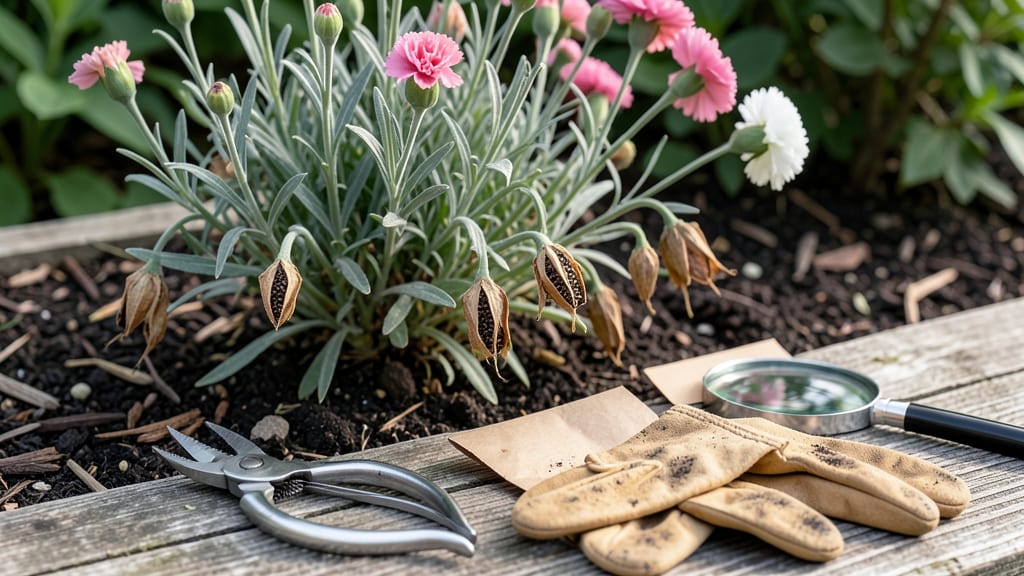
To harvest carnation seeds, wait until the pods turn brown and dry—then collect them before they pop open on their own.
Carnation seeds are a gardener’s hidden treasure—easy to overlook but packed with potential for vibrant blooms next season. Knowing exactly when and how to harvest them ensures you don’t miss the perfect moment when those brown pods pop open, ready for collection.
Timing is everything: harvest too early, and the seeds won’t be viable; wait too long, and they’ll scatter across your garden. The key is catching them at the right stage—when they’re brown, crisp, and just starting to split.
In this guide, I’ll walk you through the step-by-step process, from spotting mature pods to drying and storing seeds for future planting. You’ll also learn how to avoid common mistakes that can ruin your harvest.
When to harvest carnation seeds: identifying mature pods for best results
Harvesting carnation seeds at the right moment ensures high germination rates and healthy plants next season. The key is watching for visual and tactile cues that signal maturity.
Carnations typically produce seeds in late summer to early fall, but timing varies slightly depending on your USDA zone and local climate.
Seed pods start as green and firm after flowering. As they mature, they gradually turn brown and papery, signaling it's almost time to harvest.
The ideal harvest window is when these pods begin to split open naturally, revealing tiny black seeds inside—usually between September and October in most regions.
| Stage | Pod Color | Texture | Harvest Readiness | Action |
|---|---|---|---|---|
| Early Development | Green | Firm and moist | Not ready | Wait 4-6 weeks |
| Maturing | Green-brown | Slightly dry | Nearly ready | Monitor daily |
| Mature | Dry brown | Papery, splits easily | Ready to harvest | Collect seeds immediately |
| Overripe | Dark brown | Brittle, seeds scatter | Too late | Seeds lose viability |
One of the easiest ways to check for seed maturity is the "shake test". Gently shake a pod over a white paper or envelope. If seeds rattle inside, it’s time to harvest.
If nothing falls out, wait another 3-5 days. Overripe pods will crack open on their own, scattering seeds across your garden bed—so act quickly when you spot these signs.
Timing is especially critical in warmer climates where pods dry faster. In cooler regions, you may need to extend your harvest window into early November. Always prioritize dry, sunny days for harvesting to prevent moisture-related mold during the drying process.
Another key indicator is the flowering cycle. Carnations produce seeds after their blooms fade. If you notice wilted flowers but still see green seed pods, mark those plants for weekly monitoring. The transition from green to brown pods usually takes about 4-6 weeks after flowering.
Harvesting too early is a common mistake that leads to low germination rates. Immature seeds won’t sprout because they lack the nutrients and moisture needed for development. Conversely, waiting too long risks seed loss as pods shatter or attract pests like birds and insects.
Aim to collect seeds when they’re fully brown but still intact.
For best results, harvest in the morning after dew has dried. This reduces humidity and gives seeds time to dry naturally before storage. Use clean scissors or pruning shears to snip pods from the stem, leaving about 1 inch of stem attached to help with drying.
If you’re unsure whether your pods are ready, look for three key signs: brown color, papery texture, and easy splitting. These combined cues mean your seeds are primed for optimal germination—just like the 150-day growth cycle carnations need to thrive.
Pro tip: Label your harvested pods with the harvest date and variety name if growing multiple types. This helps track seed viability over time, as carnation seeds typically stay viable for 2-3 years when stored properly.
Step-by-step carnation seed harvesting process: from pod to storage
Once your carnation seed pods turn brown and crispy, it’s time to act fast! Proper harvesting ensures high germination rates and prevents seed loss. I’ve learned the hard way—wait too long, and the pods shatter, scattering seeds everywhere.
Let’s break this down into simple, foolproof steps to save those precious seeds for next season’s blooms.
Gather your tools first: a pair of clean scissors or pruners, a paper bag or envelope for collection, and a labeling marker to track varieties. Work on a dry, sunny day when humidity is low to avoid mold risks.
I always set up a clean workspace with newspaper to catch any stray seeds—trust me, it’s worth the effort!
Gently examine your carnation plants for dry, brown seed pods that rattle when shaken. Use clean pruners to snip pods at the stem—avoid tearing to prevent damage.
Place pods in a paper bag and gently crush them with your hands or a rolling pin. This releases seeds without causing damage. Sift through debris to isolate clean seeds—discard any discolored or shriveled ones.
Spread seeds on a paper towel in a well-ventilated area for 3-5 days. Avoid direct sunlight to prevent overheating. Stir seeds daily to ensure even drying—moisture is enemy #1 for seed viability!
Transfer dried seeds to an airtight container (like a glass jar) with a silica gel packet to absorb moisture. Label with the harvest date and variety. Store in a cool, dark place—my seeds last up to 3 years this way!
Pro tip: If you’re unsure about seed viability, do a germination test before storing. Place 10 seeds on a damp paper towel, cover with another towel, and check for sprouts in 7-10 days. A 90%+ germination rate means your seeds are ready for long-term storage!
Never rush the drying process—rushed seeds equal moldy seeds. I once tried skipping this step and ended up with a container of fuzzy, unusable seeds. Take your time, and your future carnation garden will thank you with vibrant, healthy blooms next spring! 🌸