
How To
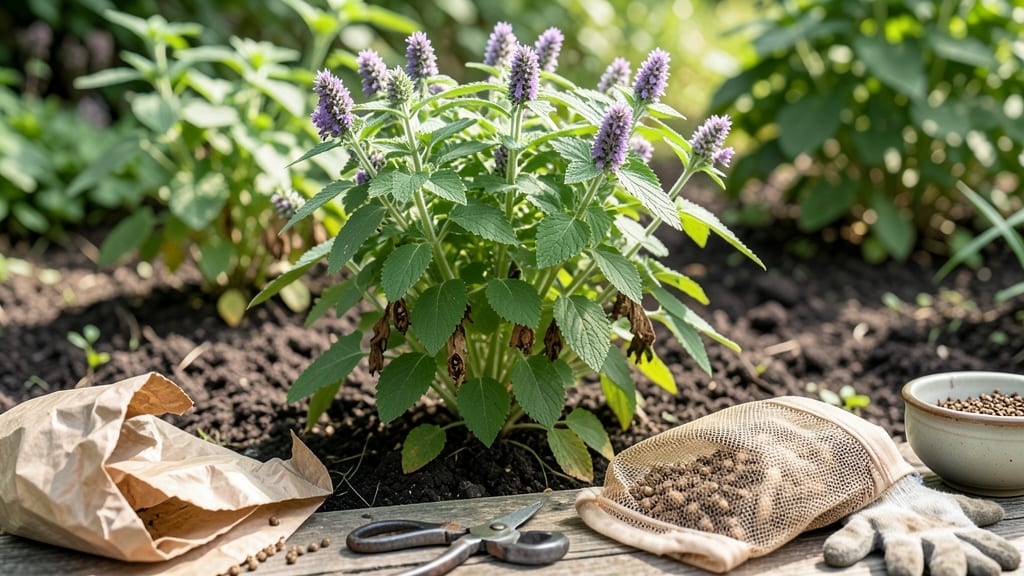
Harvesting catnip seeds at the right time turns those brown pods into a goldmine for your garden and your cat’s 🐱 next play session.
Picture this: you’re reaching for a pod, and it rattles like a tiny drum. That’s your cue—seeds inside are ready to be collected. But timing is everything, because miss the window, and you’ll end up with seeds that won’t sprout or lose their potency.
In this guide, I’ll walk you through the exact signs to look for—like dry, brown pods and easy-to-split stems—so you never harvest too early or too late. You’ll also learn how to dry and store your seeds properly, ensuring they stay viable for planting or crafting cat toys.
Whether you’re a first-time grower or a seasoned gardener, these steps will help you maximize your yield and keep your feline friends (and future plants) happy.
When to harvest catnip seeds: identifying the perfect ripeness stage
Harvesting catnip seeds at the right moment is crucial for ensuring high viability and potency. The ideal time to harvest occurs when seed pods transition from green to dry brown and begin to crack open naturally.
This typically happens late summer to early fall, around 80-100 days after planting, depending on your climate.
Look for visual cues like brown, papery pods and listen for the distinctive rattling of seeds inside. These signs indicate the seeds are fully mature and ready for collection.
Harvesting too early can result in underdeveloped seeds, while waiting too long may cause them to scatter naturally or attract pests.
Pod color is your first clue—green pods mean seeds aren’t ready, while brown pods signal ripeness. Combine this with the tactile test: gently squeeze a pod. If it cracks easily and seeds rattle inside, it’s harvest-ready. If the pod feels firm and green, wait a few more days.
| Ripeness Stage | Pod Color | Seed Condition | Harvest Action |
|---|---|---|---|
| Not Ready | Green | Immature, light-colored | Wait 3-5 days |
| Ideal Ripeness | Brown | Dark, plump, rattling | Harvest immediately |
| Overripe | Dry, splitting | Scattered or shriveled | Avoid—seeds may lose viability |
Check for moisture levels in the pods—dry pods are ready, while moist or sticky pods need more time. A quick way to test is to cut open a pod: if the seeds are dark brown and dry to the touch, they’re perfect for harvesting.
If they’re still greenish or damp, wait another 2-3 days.
Timing also depends on your climate zone. In cooler regions, harvest seeds in late August to early September, while warmer zones may see ripening as early as July. Monitor your plants daily during peak harvest season to avoid missing the optimal window.
Harvest on a dry, sunny morning to ensure pods are fully dry. This reduces the risk of mold or rot during drying. Use clean pruning shears or scissors to cut entire seed stems, leaving about 1 inch of stem attached. This helps preserve the seeds during the drying process.
Avoid harvesting seeds if the pods are damp or if rain is forecasted for the next 24 hours. Wet conditions can lead to seed spoilage or fungal growth, compromising viability. Instead, harvest on a clear day with low humidity for best results.
Once harvested, remove seeds from pods as soon as possible to prevent them from scattering. Spread the pods on a clean, dry surface like newspaper or a mesh screen in a well-ventilated area. This allows seeds to fully dry and harden, making them easier to store long-term.
Pay attention to the seed’s aroma—ripe catnip seeds should emit a distinctive herbal scent. If the seeds lack fragrance, they may not be fully mature. This sensory cue, combined with the visual and tactile tests, ensures you’re harvesting seeds at their peak.
If you miss the harvest window, don’t worry—catnip plants often self-seed in the garden. However, hand-harvesting gives you control over seed quality and quantity, ensuring a reliable source for future plantings or cat toys. With these cues, you’ll never miss the perfect moment again!
Step-by-step catnip seed harvesting process for maximum yield
Once your catnip plants develop those signature brown seed pods, you’re just steps away from a high-yield harvest. The key to preserving seed viability lies in precise timing and gentle handling. Harvesting too early risks underdeveloped seeds, while waiting too long can lead to premature seed drop or mold.
Let’s break down the process to ensure you collect the most potent seeds for replanting or your cat’s entertainment.
Start by gathering your harvesting tools: a pair of clean pruning shears, a large bowl or paper bag, and a drying tray. Work on a dry, sunny day when the humidity levels are low to prevent moisture-related issues.
If you’ve spotted brown pods that rattle when shaken, your catnip is ready for harvest. Now, let’s dive into the step-by-step process to maximize your yield.
Step-by-Step Catnip Seed Harvesting Guide
- 1 Identify ripe pods: Look for brown, dry seed pods that easily crack open when gently squeezed. Avoid green or unripe pods, as they won’t yield viable seeds.
- 2 Cut stems carefully: Use clean pruning shears to snip stems just above the first set of leaves. Place cuttings in a paper bag to prevent seeds from scattering.
- 3 Dry the pods: Spread stems on a drying tray in a well-ventilated area away from direct sunlight. Allow them to dry for 7-10 days until pods are completely brittle.
- 4 Extract the seeds: Once dry, gently rub the pods between your fingers or use a paper towel to release seeds. Discard empty pods and debris.
- 5 Store seeds properly: Place seeds in a paper envelope or airtight container and store in a cool, dark place like a pantry. Label with the harvest date for future reference.
If you notice mold or dampness during drying, immediately move the pods to a dry, warm location and increase airflow. Moldy seeds won’t germinate, so act fast to salvage your harvest. For premature seed drop, cover plants with a breathable mesh bag to catch fallen seeds before they scatter.
With these steps, you’ll ensure your catnip seeds remain viable for up to 2 years when stored correctly. Whether you’re replanting or crafting cat toys, a well-timed harvest guarantees the best results. Happy harvesting!