
How To
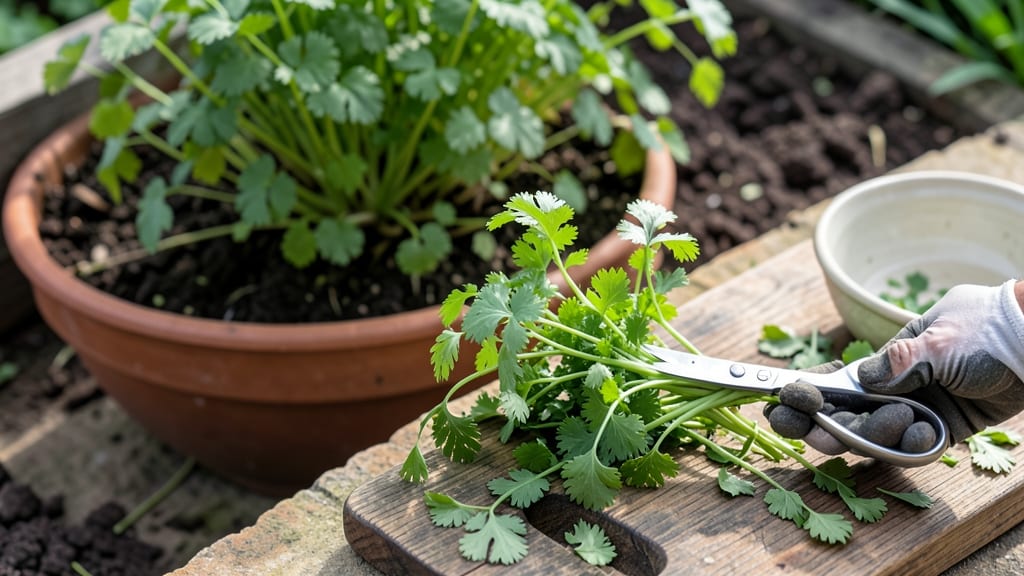
To harvest cilantro at its peak flavor, cut stems just above a leaf node when plants reach 6-8 inches tall—this encourages regrowth and keeps the leaves tender.
I’ve watched cilantro bolt into bitter flowers after waiting too long, and it’s a heartbreaking waste. But with the right timing and technique, you can enjoy fresh, aromatic leaves all season long, whether you’re growing it in pots or garden beds.
The key is harvesting young leaves before the plant matures—aim for 4-6 inch leaves with bright green color. Cut stems at a 45-degree angle to prevent water pooling, and avoid removing more than one-third of the plant at once.
In this guide, I’ll walk you through the best methods to harvest cilantro, how to store it for freshness, and why some gardeners let their cilantro go to seed for coriander. You’ll never struggle with a meager harvest again!
The best time and method to harvest cilantro for peak flavor
Harvesting cilantro at the right time is everything—pick too early, and you’ll miss out on flavor; wait too long, and those bright green leaves turn bitter or bolt into flowers. The secret lies in leaf maturity and plant height, which directly impact taste and regrowth.
For the freshest cilantro, aim to harvest when plants reach 6–8 inches tall with 4–6 inch leaves that are fully unfurled but still tender.
Cilantro’s flavor peaks when leaves are young and vibrant, but timing varies by variety. Slow-bolting types like ‘Santo’ or ‘Calypso’ give you a 3–4 week window for leaf harvests, while faster varieties may bolt in just 21–28 days.
If you let cilantro flower, you can still harvest the dried coriander seeds—but the leaves lose their signature tang. Plan to harvest leaves before seed stalks appear for maximum freshness.
Use sharp clean scissors or pruning shears to cut cilantro stems at a 45-degree angle, about 1 inch above the soil line. This encourages new growth from the base and prevents disease. Avoid pulling leaves by hand—it damages the plant and stresses the roots.
For continuous harvests, cut outer leaves first and leave the inner growth intact. This method keeps your cilantro producing for 4–6 weeks or until it bolts.
Watch for bitterness signs like yellowing leaves or tall, leggy stems—these mean your plant is stressed or bolting. Heat stress (above 80°F/27°C) or drought triggers bitterness, so mulch around plants to retain moisture.
If cilantro bolts prematurely, harvest the flower stalks and seeds instead of leaves, as they’re still useful in cooking. For a second harvest, replant seeds 2–3 weeks after the first cutting for a fresh batch.
Seasonal timing matters too. In spring and fall, cilantro thrives with cool temperatures (60–75°F/15–24°C). Avoid planting in summer heat unless you’re in a high-altitude zone—cilantro bolts quickly when days lengthen.
For year-round harvests, grow cilantro in partial shade during hot months or use shade cloth to protect plants. Container gardening works well too; just ensure pots have drainage holes and use well-draining soil.
Pro tip: Harvest cilantro in the morning after dew dries for the freshest flavor. Store harvested leaves in airtight containers with a damp paper towel in the fridge for up to 1 week. For long-term storage, freeze leaves in ice cube trays with water or oil to preserve their
How to encourage regrowth after harvesting cilantro
After harvesting your cilantro, you might wonder if it’s worth the effort to coax more growth—but with the right care, you can enjoy multiple harvests from a single plant. The key lies in pruning techniques, watering consistency, and preventing bolting (when cilantro flowers prematurely).
Let’s dive into the proven methods to revive your plant and keep it producing fresh leaves.
First, never remove more than one-third of the foliage in a single harvest. This rule prevents stress and gives your plant enough energy to recover. Use clean, sharp pruning shears to cut stems at a 45-degree angle, about an inch above a leaf node.
This encourages new growth from the base while keeping the plant healthy and compact.
⚠️ callout-warning
Removing too many leaves at once or cutting stems too close to the base can shock your cilantro and trigger bolting. If you see flower stalks forming, your plant is stressed—act fast by trimming them immediately and adjusting care.
💡 Fix It: Reduce sunlight temporarily (move to partial shade) and increase watering frequency to daily until new growth appears.
Watering plays a critical role in regrowth. Cilantro thrives on consistent moisture, so aim to water every 2-3 days during warm weather, keeping the soil 1-2 inches deep damp.
Avoid overhead watering in the evening to prevent fungal diseases like downy mildew. Instead, water at the base in the morning for optimal uptake.
Adjusting sunlight can also prevent bolting. If your cilantro is flowering too soon, it may be getting too much sun. Move potted plants to a shadier spot (4-6 hours of sunlight) or provide afternoon shade with a lightweight cloth.
For in-ground plants, mulch with straw or grass clippings to retain moisture and cool the roots.
Feed your cilantro with a balanced fertilizer (5-10-5 NPK ratio) every 4-6 weeks during the growing season. Look for signs of nutrient deficiency, like yellowing leaves, which may indicate a need for more nitrogen.
A quick fix is to top-dress with compost or use a liquid seaweed fertilizer for a gentle boost.
If your cilantro still refuses to regrow after 2-3 weeks, it’s time to replant. Succession planting every 2-3 weeks ensures a continuous supply. Choose a cool-season variety like ‘Santo’ or ‘Calypso’ for better heat tolerance.
With these steps, you’ll enjoy fresh cilantro all season long without the frustration of bolting.