
How To
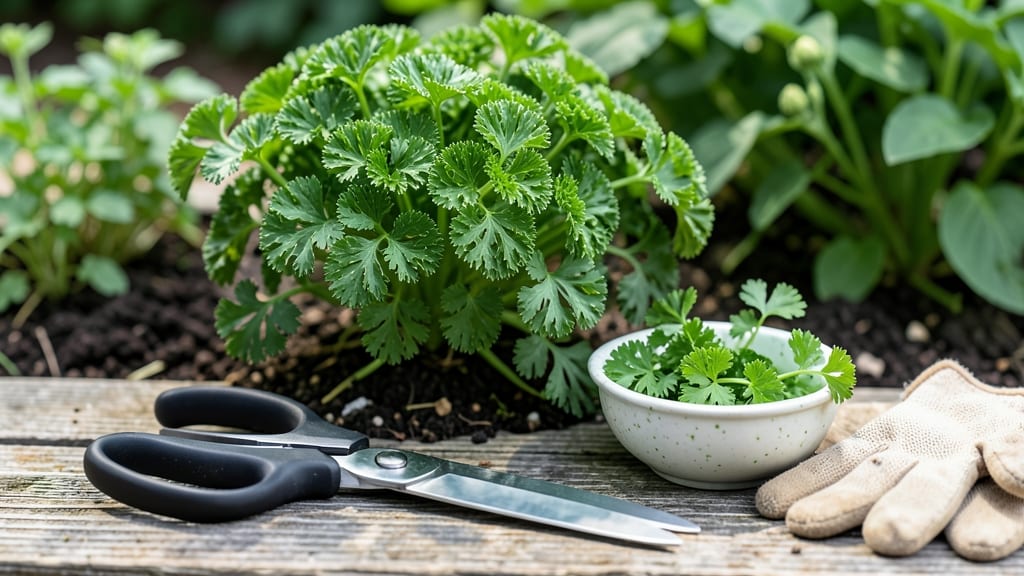
Harvesting curly parsley properly ensures you get the freshest flavor and keep your plant thriving for months 🌿 — but most gardeners cut stems the wrong way, stunting regrowth.
Picture this: You snip a stem, only to watch your parsley turn yellow and leggy within weeks. That’s because harvesting too aggressively or at the wrong time drains the plant’s energy. The key? A simple stem snap test and timing your cuts just right.
Curly parsley is one of the few herbs you can harvest repeatedly, but only if you follow the right steps. I’ll walk you through when to pick leaves, how to avoid over-harvesting, and even how to revive a struggling plant after a rough cut.
By the end, you’ll know exactly how to harvest curly parsley without sacrificing future growth—so your kitchen stays stocked with vibrant, flavorful greens all season long.
The stem snap test: how to harvest curly parsley without killing the plant
Harvesting curly parsley the right way means the difference between a thriving herb garden and a sad, leggy plant that barely produces. The stem snap test is my go-to method for harvesting parsley because it preserves the plant’s energy while giving you the freshest leaves.
Unlike cutting stems, which can stress the plant, snapping stems encourages regrowth and keeps your parsley bushy and productive for months.
Timing is everything when harvesting parsley. I always harvest in the morning after dew has dried but before the sun peaks—this ensures the leaves are crisp and full of flavor. Avoid harvesting in the afternoon when moisture levels drop, as this can cause the leaves to wilt faster.
If you must harvest later in the day, work quickly and store the parsley in the fridge immediately to retain freshness.
Before you start, identify the outer leaves of your parsley plant. These are the best candidates for harvesting because they’re fully mature and won’t stunt the plant’s growth. The inner leaves are still growing and should be left alone to keep the plant healthy.
If you’re unsure which leaves to pick, look for ones that are deep green, fully curled, and at least 4-6 inches long—these are prime for harvesting.
How to Perform the Stem Snap Test
- Step 1: Locate a mature stem Choose a thick, upright stem with at least 3-4 leaves attached. Avoid stems that look weak or leggy.
- Step 2: Grip the stem firmly Use your thumb and forefinger to pinch the stem about 1-2 inches below a leaf node. This is where new growth will sprout.
- Step 3: Snap with a quick motion Apply firm pressure downward until you hear a clean snap. The stem should break easily at the node—this is the key to regrowth!
- Step 4: Repeat on 2-3 stems Never harvest more than one-third of the plant at once. For a small parsley plant, 2-3 stems are plenty for a single harvest.
- Step 5: Store leaves properly Rinse the harvested leaves gently, then pat dry. Store in a sealed container with a paper towel in the fridge for up to a week.
🌱 Pro Tip: If a stem doesn’t snap easily, it may not be ready for harvest yet. Wait a few more days and try again!
The beauty of the stem snap test is that it encourages your parsley to branch out and grow denser. When you snap stems at the right node, the plant redirects its energy to produce new shoots from that point.
Over time, this method can turn a sparse parsley plant into a lush, leafy bush. Just remember: never snap more than 25% of the stems at once, or you’ll risk weakening the plant.
If you’re harvesting parsley for long-term storage, like freezing or drying, focus on the outer leaves and stems. These contain the most flavor and nutrients. For immediate use, like garnishes or salads, younger leaves from the inner sections are perfect—they’re tender and packed with flavor.
The key is balance: harvest enough to enjoy fresh parsley, but leave enough for the plant to thrive.
One common mistake I see is harvesting parsley too early in its lifecycle. If your plant is still under 6-8 weeks old or has leaves shorter than 2 inches, wait a bit longer.
Young parsley is delicate and won’t regrow well if harvested too soon. Patience pays off—your parsley will reward you with bold, flavorful leaves for years if you give it time to establish itself.
After harvesting, give your parsley plant a light drink of water to help it recover. If you’ve harvested heavily, consider adding a balanced fertilizer (like 5-10-5) a few days later to support regrowth.
Avoid over-fertilizing, though—parsley prefers lean soil and too much nitrogen can lead to leafy growth at the expense of flavor. A little goes a long way!
Finally, keep an eye out for signs of stress after harvesting, like yellowing leaves or wilting. These could indicate over-harvesting, drought, or even pest damage. If you notice these issues, trim back any damaged leaves and give your plant a break from harvesting for a week or two.
With the right care, your parsley will bounce back stronger than ever.
With the stem snap test and these tips, you’ll harvest curly parsley like a pro—keeping your plant healthy, flavorful, and ready for the kitchen all season long. Happy gardening! 🌿✂️
When and how often to harvest curly parsley for maximum flavor and growth
Timing your curly parsley harvests is everything—get it wrong, and you’ll sacrifice both flavor and future growth. The best time to harvest is in the morning, after dew has evaporated but before the sun intensifies.
This ensures your leaves are crisp and packed with flavor, not wilted from midday heat. I’ve found that harvesting in spring and early summer gives the most tender, vibrant leaves, while fall harvests can still yield flavorful greens, though they may harden slightly as temperatures drop.
For maximum regrowth, never cut more than one-third of the plant at once. Focus on harvesting the outer leaves first—this protects the inner growth while still giving you plenty of fresh parsley.
If you’re harvesting for seed production, let some stems flower, but for leafy greens, always snip just above a leaf node to encourage bushier growth. I’ve seen parsley plants recover beautifully when harvested correctly, even after multiple cuts.
| Season | Harvest Frequency | Leaf Stage | Flavor Intensity | Regrowth Potential |
|---|---|---|---|---|
| Spring | Every 3-4 weeks | Young (4-6 inches) | High (mild, sweet) | Excellent |
| Summer | Every 2-3 weeks | Mature (6+ inches) | Very High (bold, peppery) | Good (thin stems) |
| Fall | Every 4-5 weeks | Mixed (young & mature) | Moderate (earthy notes) | Fair (slower growth) |
Your harvest frequency depends on the season and your parsley’s maturity. In spring and summer, when growth is rapid, you can harvest every 2-3 weeks without stressing the plant.
However, in fall, growth slows, so stretch your harvests to every 4-5 weeks to avoid weakening the plant before winter. I’ve noticed that parsley harvested in late summer tends to have the most intense flavor, likely due to the plant’s natural response to shortening daylight hours.
Watch for visual cues that your parsley is ready: leaves should be deep green and fully curled, with a crisp texture. If the stems feel woody or the leaves taste bitter, it’s past its prime. A quick stem snap test can confirm readiness—gently pinch a stem between your fingers.
If it snaps cleanly, it’s perfect for harvest. If it bends without breaking, wait a few more days. This simple test has saved me from harvesting bitter or overly mature parsley.
After harvesting, always rinse leaves in cool water to remove dirt and pests, then pat dry with a clean towel. Store harvested parsley in a sealed container in the fridge for up to a week, or freeze for longer storage.
I like to bundle stems together with a rubber band before trimming and storing—this keeps them fresher longer. With the right harvest rhythm, your parsley will reward you with years of abundant, flavorful greens.
Pro tip: If your parsley starts to bolt (send up flower stalks), it’s time to harvest more aggressively or let it go to seed for next year’s crop.
Bolting usually happens in hot climates or when days get shorter. I’ve learned to prioritize harvesting in these conditions to extend the leafy phase as long as possible.