
How To
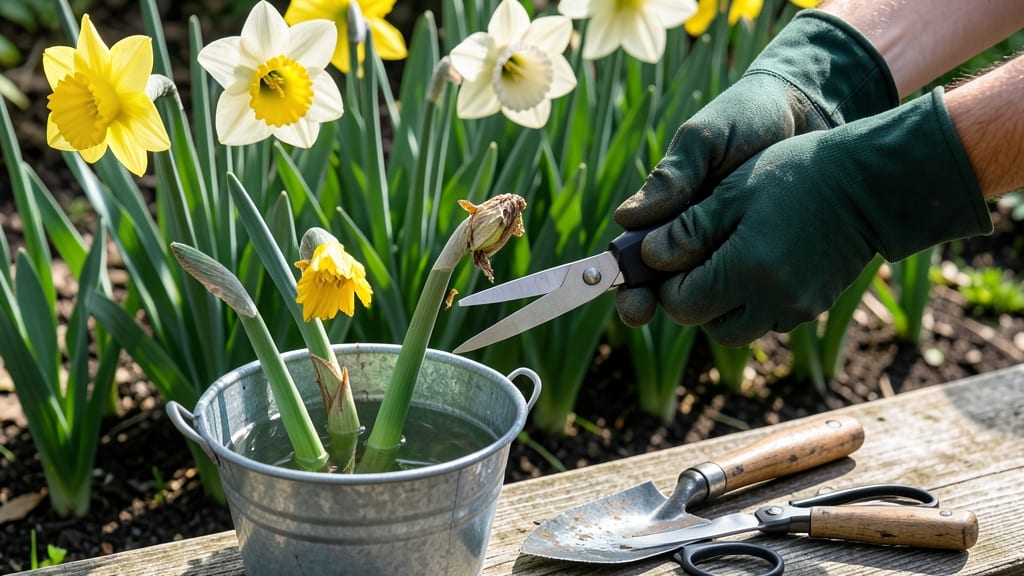
To harvest daffodils at the best time for bulbs or stems, you need to know when the blooms are ready and how to handle them without hurting the plant.
Picture this: you’ve waited months for your 🌼 daffodils to burst into color, and now you’re torn between cutting stems for a vase or digging up bulbs for next year’s garden.
The wrong move could mean fewer flowers—or worse, no flowers at all. But with the right timing and technique, you can enjoy both stunning arrangements and a thriving garden.
Harvesting daffodil bulbs is all about patience—wait until 6 to 8 weeks after flowering when the foliage has yellowed but hasn’t fully died back. For stems, cut them early in the morning when they’re at their freshest, just as the buds begin to open.
These small details make all the difference between a healthy plant and a struggling one.
In this guide, I’ll walk you through the exact steps for harvesting both bulbs and stems, plus how to store them so your daffodils come back bigger and brighter next spring. No more guesswork—just foolproof results.
When to harvest daffodil bulbs for next season’s blooms
Harvesting daffodil bulbs at the right time ensures vibrant blooms next spring. The key is patience—waiting 6-8 weeks after flowering lets the bulb store energy for regrowth.
Digging too soon weakens the plant, while waiting too long risks bulb deterioration. Understanding these timing cues is your first step to a thriving garden.
Start by marking the day your daffodils finish blooming. Count 42-56 days from that date for your harvest window. This period allows the foliage to photosynthesize and replenish the bulb’s nutrients. Skipping this step means smaller, weaker blooms—or worse, no flowers at all next season.
Before you dig, prepare your garden tools and workspace. You’ll need a garden fork, pruners, and a bucket for storing bulbs. Work on a dry, sunny day to prevent soil from sticking to the bulbs.
Clear the area of weeds and loosen the soil gently to avoid damaging the delicate bulb roots.
Here’s what to look for when checking bulb readiness: the foliage should yellow but not brown completely, and it may flop over slightly. This signals the bulb has finished its energy storage. If you see green leaves still growing, wait another week—the bulb isn’t ready yet.
When digging, use a garden fork to lift bulbs gently, working in a circular motion around the plant. Avoid piercing the bulbs themselves—aim for the soil 2-3 inches away from the stem.
Once unearthed, brush off excess soil and trim the foliage to 2 inches above the bulb. This reduces moisture loss during curing.
After harvesting, let the bulbs cure for 4-6 weeks in a cool, dry place with good airflow. Place them in a mesh bag or paper box to prevent rot. Check weekly for signs of mold or soft spots—remove any affected bulbs immediately. Proper curing strengthens the bulb for replanting.
Replant your daffodil bulbs in well-draining soil mixed with compost for nutrients. Space them 6 inches apart and plant at a depth of 6 inches (twice the bulb’s height).
Water lightly after planting, then reduce watering until new growth appears in spring. This patience pays off with bigger, healthier blooms next season.
If you’re unsure whether your bulbs are ready, perform the "squeeze test": Gently press the foliage. If it snaps easily, the bulb is ready. If it resists, wait another week. This simple trick saves you from harvesting too early and ensures your daffodils thrive for years to come.
Remember, timing is critical—harvesting too early starves the bulb, while waiting too long risks disease. By following these steps, you’ll enjoy vibrant daffodils for seasons to come. Happy digging! 🌼
How to cut daffodil stems for floral arrangements without damaging the plant
Harvesting daffodil stems for bouquets is a rewarding way to enjoy their cheerful blooms indoors while keeping your garden thriving. The key lies in timing and technique—cutting at the right moment preserves both the plant's health and the vase life of your arrangement.
I’ve learned that a few simple steps make all the difference between wilted stems and vibrant, long-lasting flowers.
For the best results, harvest your daffodil stems in the early morning when they’re fully hydrated. This timing ensures the stems draw up water, making them last longer in your vase.
Avoid cutting on hot days, as the heat can stress the plant and shorten the life of your cut flowers. Instead, plan your harvesting for cool, cloudy mornings when the stems are at their freshest.
Step-by-Step Guide to Cutting Daffodil Stems
- Step 1: Choose fully open blooms with vibrant petals but no signs of wilting. Look for stems that are firm and upright, indicating they’re ready for cutting.
- Step 2: Use a sharp pair of clean pruning shears or garden scissors. Dull blades can crush stems, reducing vase life. Sterilize your tools with rubbing alcohol to prevent disease.
- Step 3: Cut the stem at a 45-degree angle, about 2-3 inches below the flower head. This angle increases the surface area for water absorption, helping the stems stay hydrated longer.
- Step 4: Remove any lower leaves that will sit below the waterline in your vase. This prevents bacterial growth and keeps the water clean for longer.
- Step 5: Immediately place the cut stems in a bucket of water to rehydrate them. Change the water every 2-3 days and trim the stems by an inch or two to encourage fresh water uptake.
After cutting, leave the foliage intact in your garden. The leaves play a crucial role in storing energy for next year’s blooms. Avoid removing them until they turn yellow and wither naturally, which usually happens 6-8 weeks after flowering.
This ensures your daffodils will return stronger and more vibrant in the following spring.
For longer vase life, add a drop of bleach or a commercial flower food to your water. This helps prevent bacterial growth and keeps the stems fresh for up to 7-10 days.
I’ve found that arranging daffodils with other spring flowers, like tulips or hyacinths, creates stunning bouquets that brighten up any room while keeping your garden looking its best.
Remember, the goal is to enjoy your daffodil stems while ensuring the plant remains healthy for future seasons. With these steps, you’ll create beautiful arrangements without compromising the health of your garden’s star performers. Happy harvesting! 🌼✂️