
How To
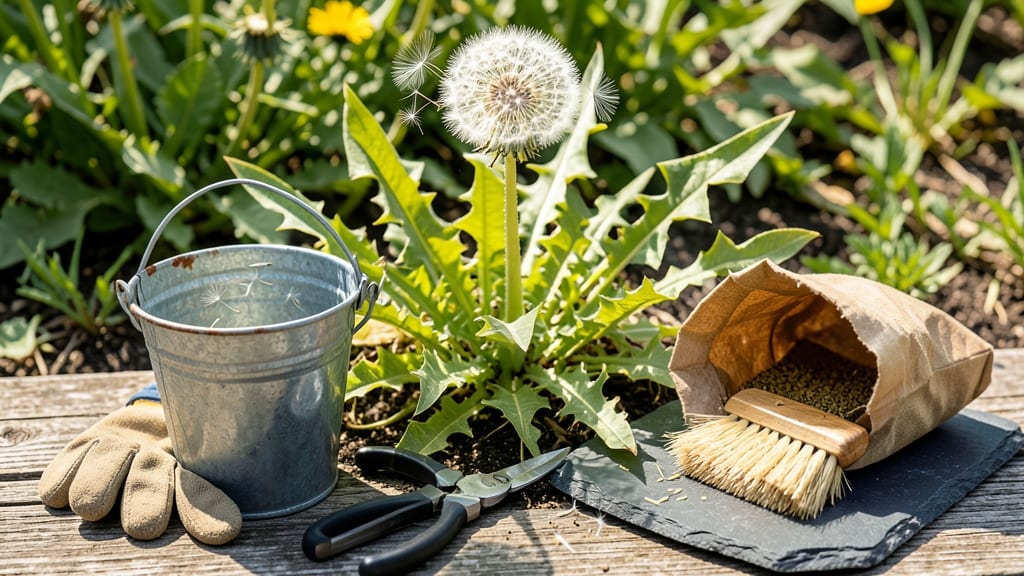
Harvesting dandelion seeds is easier than you think—just wait for the flower heads to turn brown and fluffy 🌼, then use the right timing and tools to collect them before they scatter.
Dandelions aren’t just pesky weeds—their fluffy seeds are a natural, edible treasure used in teas, salads, and even wine. Learning the right timing and techniques can turn your backyard into a seed harvest goldmine.
Timing is everything: pick seeds on a dry morning when the heads are fully brown and light, ensuring maximum yield and easy collection. A simple pair of scissors or pruners, along with breathable paper bags, is all you need to start.
From drying methods to creative uses, this guide will show you how to preserve your harvest and put those seeds to work—whether for pollinators, crafts, or compost. Ready to turn those golden puffs into something useful?
Best time to harvest dandelion seeds for maximum yield
Timing is everything when harvesting dandelion seeds. The difference between maximum yield and wasted effort often comes down to knowing when those fluffy seed heads are at their peak.
For me, the best time to harvest is when the flower heads turn completely brown and feel light and dry—usually late May to early June in most USDA zones 5-9. This window ensures seeds are fully mature but haven’t yet scattered in the wind.
Climate plays a huge role in scheduling. In warmer southern zones (8-10), seeds mature faster—sometimes as early as April. Meanwhile, gardeners in cooler northern zones (3-6) might wait until June or even July.
Always check your local frost dates: harvesting too early risks green, unripe seeds, while waiting too long means seeds may already be on the move.
Weather conditions matter just as much as timing. Harvest on dry, calm days to prevent mold or premature seed dispersal. Avoid harvesting after rain, as damp seeds won’t dry properly. Morning harvests work best because the dew has evaporated, leaving seed heads crisp and ready for collection.
🌼 5 Key Steps to Harvest Dandelion Seeds at Peak Maturity
- 🔍 Step 1: Identify Ready Seed Heads
Look for fully brown, dry flower heads with no green stems. A gentle touch should make seeds puff and scatter. - 📅 Step 2: Check Your Climate Zone
Southern zones: April–May; Northern zones: June–July. Adjust based on your last frost date. - ☀️ Step 3: Pick Dry, Sunny Days
Harvest when skies are clear and temperatures are 60°F+ to ensure seeds are bone-dry. - ✂️ Step 4: Cut or Shake Seeds
Use clean scissors to snip seed heads or place them in a paper bag and shake vigorously to release seeds. - 🌬️ Step 5: Dry and Store Immediately
Spread seeds on brown paper in a cool, dry place for 3–5 days before storing in airtight containers.
Don’t overlook the seed maturity stages. Immature seeds are green or yellow and won’t store well. Overripe seeds may already be scattered by wind, leaving you with nothing. The ideal moment is when the seed head is brown and fluffy but hasn’t yet released seeds into the air.
This usually happens 2–3 weeks after flowering, depending on your climate.
Pro tip: If you’re harvesting for culinary or medicinal uses, prioritize seeds from organic dandelions grown in pesticide-free soil. Avoid roadsides or lawns treated with herbicides, as these chemicals can contaminate your harvest.
For pollinator support, leave some seed heads intact—bees and butterflies rely on dandelions for early-season nectar.
Morning harvests are ideal because dew has evaporated, and seed heads are at their driest. If you’re harvesting in humid climates, consider collecting seeds in the late afternoon to allow any morning moisture to evaporate. Always work with clean, dry tools to prevent mold or contamination during collection.
For large-scale harvesting, focus on mature dandelion patches in your yard or nearby wild areas. Avoid harvesting from lawns treated with pre-emergent herbicides, as these can stunt seed development. If you’re growing dandelions intentionally, plant them in well-draining soil with full sun exposure to ensure robust seed production.
Once harvested, dry seeds thoroughly before storage. Spread them on brown paper or mesh screens in a well-ventilated area for 3–5 days. Stir them occasionally to speed up drying. Properly dried seeds will rattle when shaken and feel light and papery to the touch.
Store them in airtight containers like glass jars or resealable bags in a cool, dark place for up to 2 years.
Remember, patience is key. Rushing the harvest can leave you with low-quality seeds that won’t store well or germinate properly. By following these timing cues, you’ll maximize your yield and enjoy fresh dandelion seeds for teas, crafts, or pollinator gardens all season long. Happy harvesting! 🌱
Essential tools and techniques for efficient seed collection
Harvesting dandelion seeds efficiently starts with the right tools and techniques. Using the wrong equipment can lead to seed loss or contamination. I’ve found that a combination of sharp scissors, breathable gloves, and sturdy seed bags makes all the difference in preserving seed quality.
For hand-picking seeds, I recommend using clean pruning shears or small scissors to snip the seed heads cleanly. This prevents damage to the delicate seed clusters. A pair of lightweight gardening gloves protects your hands from prickly stems while keeping seeds from sticking to your skin.
| Method | Tools Needed | Best For | Yield Efficiency |
|---|---|---|---|
| Hand-Picking | Pruning shears, gloves, paper bags | Small batches, precision | High (minimal loss) |
| Shaking Method | Large tray, breathable bag, fan (optional) | Bulk harvests, large patches | Very High (fastest) |
| Bagging Flower Heads | Paper bags, twine, scissors | Long-term drying, indoor setups | Medium (requires patience) |
Once you’ve collected the seeds, the drying process is critical. I spread seeds on a clean, dry surface like a baking sheet or mesh screen in a well-ventilated area for 3-5 days. Avoid direct sunlight to prevent overheating, which can damage the seeds.
For large-scale harvesting, I use a shaking method with a large tray underneath the seed heads. Gently shake the stems over the tray, and the seeds will naturally disperse. This technique is perfect for large dandelion patches and saves time.
After drying, store seeds in paper envelopes or breathable fabric bags to maintain freshness. Label each bag with the harvest date and variety if applicable. Proper storage ensures your seeds remain viable for up to 2-3 years.
With the right tools and a little practice, you’ll master the art of efficient seed collection in no time. Happy harvesting! 🌼✂️🌬️