
How To
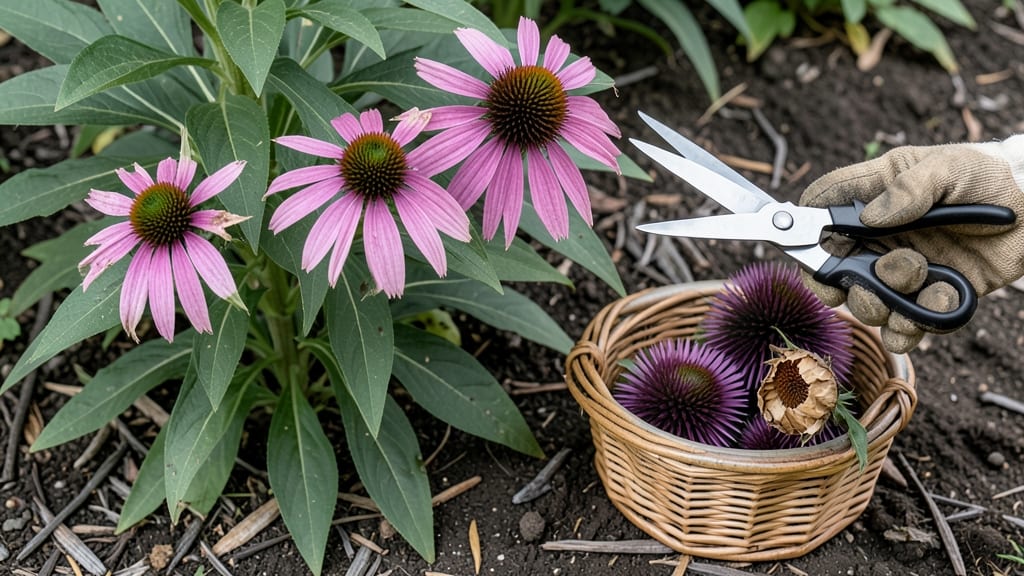
Harvesting echinacea at the right time ensures you get the strongest medicinal benefits from these striking 🌼 purple coneflowers—and skipping this step means wasting their full potential.
Picture this: you’ve nurtured your echinacea all season, only to cut the flowers too early or too late, leaving you with weak tea or ineffective remedies. The difference between a potent harvest and a mediocre one comes down to a few key moments—and I’ll show you exactly when to act.
From identifying the perfect bloom stage to using the right tools, this guide covers everything you need to know. You’ll learn how to preserve echinacea’s healing properties, whether you’re drying it for tea or saving it for tinctures, so your garden’s hard work pays off in every cup or dropperful.
Ready to unlock the full power of your echinacea? Let’s dive into the best practices for harvesting, from timing to storage, so you never miss peak potency again.
When to harvest echinacea for peak medicinal potency
Harvesting echinacea at the right moment ensures you capture its maximum medicinal potency. The flower bud stage to early full bloom is critical—this is when alkaloids and polysaccharides (the plant’s healing compounds) are at their peak.
Miss this window, and you risk collecting flowers with diminished benefits or even bitter, overripe flavors.
Most gardeners focus on the bud stage, where petals begin unfurling but haven’t fully opened. This stage typically occurs in mid-to-late summer, depending on your USDA hardiness zone.
For example, in Zone 6a, the ideal harvest window is usually July through early September. However, always check your local frost dates to avoid harvesting too late.
Timing isn’t just about the season—it’s also about the time of day. I always harvest early morning after dew has evaporated but before the sun intensifies. This preserves the oil content in the petals and reduces stress on the plant.
Avoid harvesting in the evening, as moisture buildup can encourage mold during drying.
Visual cues are your best guide. Look for fully formed central cones that are upright and vibrant. The petals should be deep purple, pink, or white, not wilted or fading. If you see drooping petals or brown edges, the flower is past its prime and should be left for the bees.
If you’re growing multiple echinacea varieties, like 'Magnus' or 'Green Envy', note that their bloom times may vary slightly. For example, 'Green Envy' often blooms 1-2 weeks earlier than 'Magnus', so adjust your harvest schedule accordingly.
Observing your plants daily ensures you don’t miss the optimal 2-3 day window for peak potency.
Another pro tip: Harvest on a dry day to prevent soil or moisture from contaminating your flowers. I use a clean pair of pruning shears and cut the stem just above a leaf node to encourage new growth.
This method also helps the plant redirect energy to producing more flowers for future harvests.
For medicinal use, prioritize harvesting bud-stage flowers because their alkaloid content is highest at this point. If you’re harvesting for ornamental or culinary purposes, early bloom-stage flowers work well too. Just avoid flowers that have already set seed, as their potency diminishes significantly.
One common mistake is harvesting overripe flowers because they’re easier to spot. These flowers often have bitter flavors and lower medicinal value. Always sniff the petals—if they smell faintly sweet and herbal, they’re ready. If they smell musty or earthy, they’re past their prime.
Finally, leave at least one-third of the flowers on each plant to ensure seed production for next year’s harvest. Echinacea is a perennial, so proper care now means bigger, healthier plants in future seasons.
With the right timing, you’ll enjoy a consistent supply of potent echinacea for years to come.
Essential tools and step-by-step harvesting process
Harvesting echinacea correctly ensures you capture its maximum medicinal potency while keeping your plants healthy. The right tools and techniques make all the difference—whether you're drying flowers for tea or preserving them for tinctures. Let’s break down what you’ll need and how to harvest like a pro.
Start with clean, sharp pruners or scissors to make precise cuts that won’t damage the plant. A pair of gardening gloves protects your hands from the plant’s spiky stems and any potential irritants.
Don’t forget breathable containers or paper bags to hold your harvest—these prevent moisture buildup, which can lead to mold.
Here’s how to harvest echinacea step by step, ensuring you get the best yield without harming your plants:
Step-by-Step Echinacea Harvesting Guide
- 1 Wait for morning dew to dry—harvest between 8 AM and 10 AM for the freshest flowers and to avoid contamination.
- 2 Select fully open buds with vibrant petals and a fully formed central cone—these are ready for harvest.
- 3 Use clean pruners to cut 2-3 inches below the flower head, leaving the lower leaves intact to support future growth.
- 4 Place harvested flowers in paper bags or breathable containers to allow airflow and prevent moisture buildup.
- 5 Label your harvest with the date and plant variety to track freshness and potency for future use.
After harvesting, avoid overcrowding your containers—leave space between stems for proper airflow. This step is crucial to prevent mold growth and preserve the medicinal properties of your echinacea. If you’re drying the flowers, hang them upside down in a well-ventilated, dark space for 1-2 weeks.
Sustainability matters! Leave at least one-third of the plant’s foliage intact to ensure it can photosynthesize and regrow for next season. This practice keeps your echinacea thriving while maximizing your harvest year after year.
With the right tools and technique, harvesting echinacea becomes a rewarding process. Whether you’re using it for tea, tinctures, or supplements, proper handling ensures you get the most out of your garden’s bounty. Happy harvesting! 🌼✂️