
How To
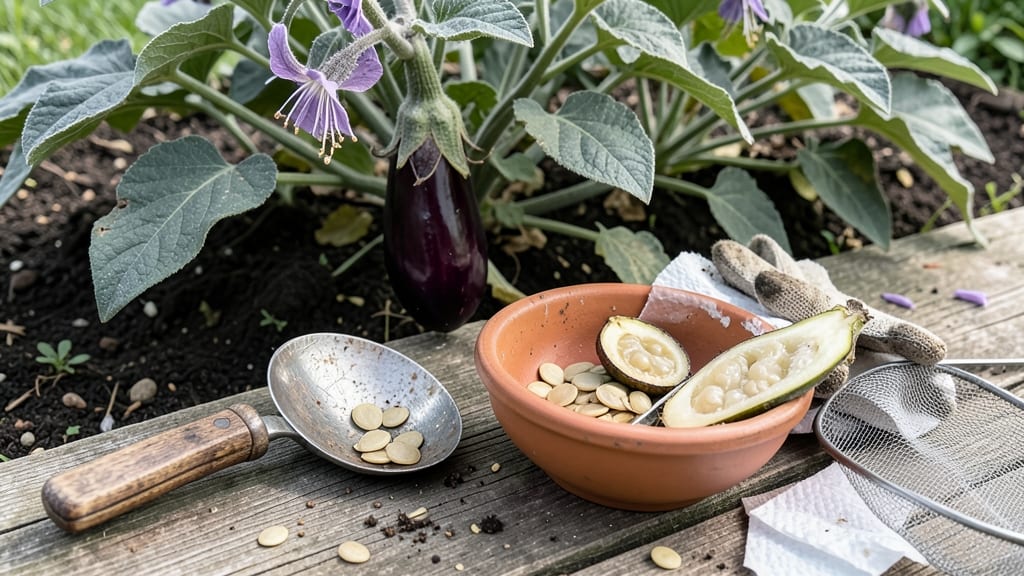
Harvesting eggplant seeds from your homegrown 🍆 plants is the easiest way to save rare varieties—but one wrong move can turn your seeds into a moldy mess.
Picture this: you’ve spent months nurturing your garden, and now you’re ready to preserve those heirloom eggplants for next year. But if you don’t handle the seeds correctly, they’ll either dry out too fast or rot before you can store them.
The key? Patience and precision in drying them just right.
In this guide, I’ll walk you through the exact steps to extract, ferment (if needed), and dry eggplant seeds so they stay viable for years. No fancy tools required—just a few household items and a little know-how to avoid common pitfalls like poor germination or contamination.
By the end, you’ll have a stash of seeds ready to replant, ensuring your garden stays stocked with the exact varieties you love. Let’s get started!
Step-by-step process for harvesting eggplant seeds from overripe fruit
Harvesting eggplant seeds requires patience and precision to ensure high germination rates. The key is selecting fully overripe fruit—not the firm, glossy eggplants you’d eat. These overripe specimens are nature’s way of signaling it’s time to collect seeds for next season’s harvest.
If you skip this step, your seeds may not sprout properly, wasting months of effort.
Start by choosing eggplants that are soft, wrinkled, and discolored. They should feel mushy when gently squeezed, almost like overcooked squash. Avoid any fruit with mold or pests, as contaminated seeds won’t germinate.
Once you’ve identified the perfect candidates, you’re ready to extract the seeds—this is where the magic (and science) of seed saving begins.
Here’s the step-by-step process to harvest, clean, and prepare your eggplant seeds for storage:
Select the Right Fruit
Choose overripe eggplants that are soft, wrinkled, and dull in color. These should be 6+ inches long and feel mushy when pressed. Discard any with mold or rot.
Slice Open the Fruit
Cut the eggplant lengthwise to expose the gelatinous seed cavity. Scoop out the seeds and pulp using a spoon, being careful not to puncture the skin and waste seeds.
Ferment the Seeds (Optional but Recommended)
Place the seeds and pulp in a glass jar, filling it 3/4 full. Add filtered water to cover the mixture. Let it ferment at room temperature (70-75°F) for 3-5 days, stirring daily. This removes the gelatinous coating and kills pathogens.
Rinse and Strain
After fermenting, pour the mixture through a fine-mesh strainer to separate seeds from pulp. Rinse the seeds with clean water until the water runs clear. This removes any remaining gelatinous residue.
Dry the Seeds
Spread the seeds on a paper towel or seed drying screen in a single layer. Place them in a warm, dry, and well-ventilated area (like a sunny windowsill) for 5-7 days. Stir them daily to prevent clumping.
Test for Dryness
Seeds are ready when they’re hard and brittle. Gently press a seed with your fingernail—if it doesn’t dent, it’s dry. Store them in a paper envelope or airtight container with a desiccant packet to prevent moisture.
The fermentation step is critical for removing the gelatinous coating that surrounds eggplant seeds. This coating can inhibit germination if left intact. If you skip fermentation, your seeds may still sprout, but the germination rate will drop significantly. For best results, always ferment—it’s the secret to high viability.
Once your seeds are dry, label them with the variety name and harvest year. Store them in a cool, dark place (like a seed vault or refrigerator) where they’ll remain viable for 3-5 years.
Properly stored seeds are your ticket to next season’s garden without relying on store-bought varieties.
If you notice any mold or foul odors during fermentation, discard the batch immediately. Contaminated seeds won’t germinate, and mold can spread to your other seed-saving projects. Always work in a clean environment to minimize risks.
With these steps, you’ll have high-quality eggplant seeds ready for planting. Next season, you can grow your own heirloom varieties with confidence, knowing you’ve preserved their genetic integrity through proper seed saving.
Best drying methods to preserve eggplant seed viability
Once you’ve extracted your eggplant seeds from overripe fruit, the next critical step is proper drying to ensure high germination rates. Seeds dried incorrectly can develop mold or lose viability, so choosing the right method makes all the difference.
I’ve tested both air-drying and oven-drying techniques to help you decide which works best for your setup.
Humidity control is key—too much moisture during drying leads to fungal growth, while too little can cause seeds to crack. The goal is to reduce moisture to 5-10% seed moisture content while maintaining seed integrity. Let’s compare your options side by side for clarity.
| Method | Time Required | Equipment Needed | Best For | Risk Level |
|---|---|---|---|---|
| Air-Drying | 7-14 days | Paper towels, mesh bags, dehumidifier | Large batches, low-humidity climates | Low (if humidity controlled) |
| Oven-Drying | 2-4 hours | Oven, baking sheet, fan | Small batches, humid climates | Medium (requires attention) |
For air-drying, spread cleaned seeds on a paper towel in a single layer inside a mesh bag or envelope. Place them in a dry, well-ventilated area with low humidity (below 40%).
A small fan on low can speed up the process without damaging seeds. Check daily—seeds are ready when they’re hard and brittle to the touch.
If you’re in a humid climate, oven-drying is faster but requires caution. Preheat your oven to 140°F (60°C)—never higher—to avoid heat damage. Spread seeds on a baking sheet with parchment paper, prop the oven door open slightly, and dry for 1-2 hours, stirring occasionally.
Monitor closely to prevent overheating.
After drying, store seeds in airtight containers with a desiccant packet to absorb moisture. Label with the variety name and harvest year. When stored properly, eggplant seeds remain viable for 3-5 years, though germination rates drop after year 2. Test a few seeds annually to confirm viability.
Remember, seed purity is just as important as drying. If you notice any discoloration or musty smells during storage, discard those seeds immediately to avoid contamination. With the right method, you’ll have healthy seeds ready for next season’s garden! 🌱