
How To
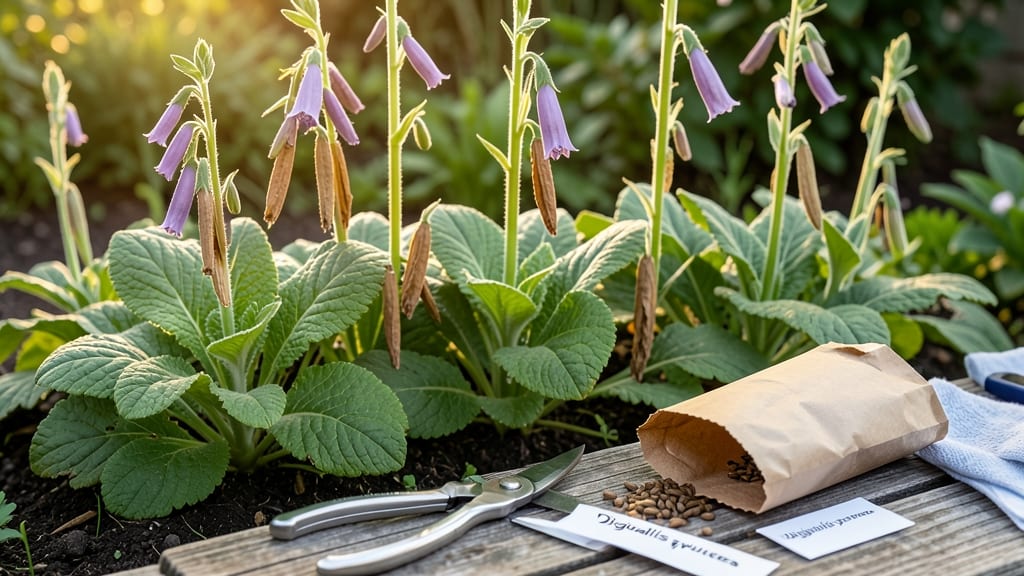
To harvest foxglove seeds at the perfect moment, watch for brown, split-open seed pods 🌸—that’s when they’re ready to collect before birds or wind scatter them.
Timing is everything: miss the window, and you’ll end up with empty pods or seeds that won’t sprout. Even experienced gardeners sometimes guess wrong, leading to wasted effort or poor germination rates.
This guide breaks down the exact signs of maturity—from color shifts to the telltale crack of a ripe pod—plus how to dry and store seeds properly for next season’s blooms.
You’ll also learn how to test seed viability, avoid common mistakes, and maximize your chances of growing healthy foxglove plants from scratch.
When and how to identify mature foxglove seed pods for harvesting
Foxglove (Digitalis) produces stunning bell-shaped flowers that eventually transform into long, slender seed pods. Knowing when these pods are ready for harvest is key to securing viable seeds for next season.
The perfect harvest window occurs when pods turn light brown and begin splitting naturally—usually 8-12 weeks after flowering, depending on your USDA zone.
Miss this window, and you risk losing seeds to birds, wind, or spoilage. In warmer climates (zones 7-9), pods may mature as early as late August, while cooler zones (4-6) often see readiness in September or October.
Always monitor pods closely, as humidity and temperature can accelerate or delay maturity.
Before harvesting, perform a simple maturity test: gently shake a pod—if you hear seeds rattling inside and the pod feels dry and papery, it’s ready.
Avoid harvesting when pods are still green or firm, as seeds won’t be fully developed. Overripe pods may burst open, scattering seeds prematurely.
Step-by-Step Guide to Harvesting Mature Foxglove Seed Pods
-
Step 1: Wait for Pods to Turn Brown
Mature pods shift from green to light brown. Use a magnifying glass to check for dry, split seams along the pod’s length.
-
Step 2: Test for Seed Readiness
Gently squeeze the pod—if it cracks open easily and seeds rattle inside, it’s harvest-ready. Open a pod to confirm brown, plump seeds (not green or shriveled).
-
Step 3: Harvest on a Dry Day
Choose a sunny, dry morning to harvest. Use clean pruning shears to snip pods just above the stem, leaving 1-2 inches of stem attached for drying.
-
Step 4: Process Pods Immediately
Place harvested pods in a well-ventilated area (e.g., paper bags or mesh bags) to air-dry for 1-2 weeks. Avoid plastic bags to prevent mold growth.
-
Step 5: Store Seeds Properly
Once pods are completely dry, gently crush them by hand to release seeds. Store seeds in a cool, dry place (e.g., glass jar with silica gel) for up to 2 years.
Regional climates play a big role in timing. In humid areas, pods may dry faster and require earlier harvesting, while dry climates can delay maturity. If you’re in zone 5 or colder, prioritize harvesting before the first frost (typically by mid-October) to avoid seed damage.
Never harvest seeds from wilted or diseased plants, as this can reduce germination rates. Always wear gloves when handling foxglove—every part of the plant is toxic if ingested, including seeds. Keep seeds away from children and pets at all times.
For best results, harvest seeds in small batches over a few days. This ensures you capture pods at their peak maturity while minimizing losses to pests or weather. Store only the healthiest-looking seeds for planting, discarding any that appear discolored or shriveled.
Once you’ve mastered harvesting, you’ll have a reliable seed source for years to come. Foxglove seeds germinate slowly (often taking 2-3 weeks to sprout), so stratification (mixing seeds with damp sand and refrigerating for 4-6 weeks) can improve success rates.
Foxglove seed maturity tests: 3 ways to confirm harvest readiness
Determining when foxglove seeds are truly ready for harvest can feel like guessing—until you use these three reliable maturity tests. Each method reveals critical clues about seed viability, helping you avoid premature collection or waiting too long.
The float test uncovers hidden moisture issues, while seed color and moisture content checks provide visual confirmation. False positives happen, but knowing what to watch for keeps your seeds viable for next season.
Start with the simplest test: the float test. Place a handful of seeds in a bowl of water. Viable foxglove seeds sink immediately, while empty or immature seeds float.
This method works best after pods have naturally cracked open, but it’s not foolproof—some seeds may float due to surface tension rather than true immaturity. Always cross-check with the other two tests for accuracy.
Next, examine the seed color under bright light. Mature foxglove seeds turn a deep brown, almost black, when fully ripe. Immature seeds remain light tan or greenish. Pro tip: Use a magnifying glass to spot subtle color shifts in the seed coat.
If seeds still show green flecks, they need more time on the plant.
For a deeper check, perform a moisture content test. Squeeze a seed between your fingers—it should feel dry and slightly brittle, not damp or sticky. High moisture means seeds won’t store well and may mold.
If seeds feel moist, leave them on the plant another week or two, or accelerate drying with a fan in a dry, shaded area.
Combine these tests for the most accurate results. For example, if seeds pass the float test but still look green, wait another week. Conversely, if they sink but feel damp, they’re not ready. False positives often occur in humid climates, where seeds may appear mature but retain excess moisture.
In such cases, extend drying time or use a dehumidifier near your drying rack.
Once you’ve confirmed maturity, harvest seeds promptly to prevent birds from scattering them. Store them in a paper envelope in a cool, dark place—foxglove seeds stay viable for up to two years if kept dry.
Label your packets with the harvest date to track freshness. With these tests, you’ll never second-guess your foxglove seed harvest again!
🌱