
How To
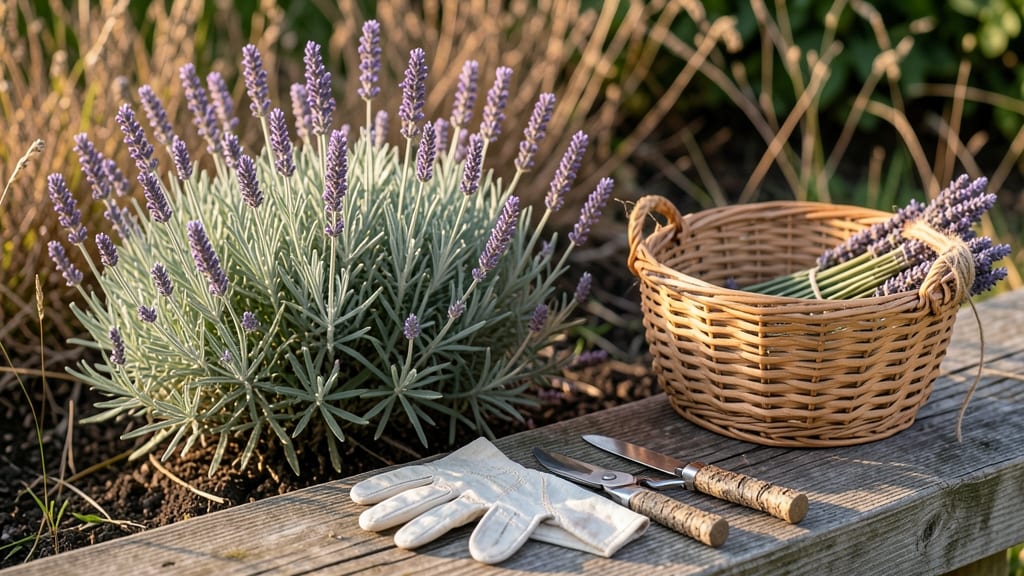
Harvesting French lavender at the right stage boosts its fragrance and essential oil potency 🌸—and timing is everything for preserving that signature scent.
Picture this: you’ve nurtured your French lavender all season, but when you finally cut the stems, the fragrance is weak, or worse, the plant struggles to bounce back. That’s because harvesting too early or too late ruins both the quality and the plant’s health.
The key is knowing exactly when those buds are at their peak—before they fully bloom but after they’ve developed their signature purple hue.
In this guide, I’ll walk you through the best time of year (mid-to-late summer), how to spot the perfect buds, and the simple tools you’ll need to avoid damaging your plants.
You’ll also learn how to dry and store your harvest so the aroma and therapeutic benefits last for months—without over-harvesting and risking next year’s crop.
Whether you’re growing French lavender for sachets, culinary uses, or just to enjoy its beauty, these steps will ensure you get the most from every harvest—without sacrificing the plant’s long-term health.
The perfect timing for harvesting French lavender buds
Timing is everything when it comes to harvesting French lavender for maximum essential oil and fragrance. Unlike other herbs, lavender’s potency peaks at a very specific stage—just before the buds fully bloom.
Harvest too early, and you’ll miss out on the richest oils; too late, and the aromatic compounds degrade. Understanding these seasonal cues ensures you capture the peak flavor and therapeutic benefits that make lavender so prized.
For most USDA Zones 5-9, the ideal harvest window falls between mid-July and late August, aligning with the plant’s natural growth cycle. This period offers the perfect balance of bud development and essential oil concentration.
However, regional climates can shift this timeline slightly—cooler zones may extend harvesting into early September, while hotter climates might see earlier blooms in June. Always prioritize bud color and texture over calendar dates.
Weather conditions play a crucial role in preserving lavender’s quality post-harvest. Aim to harvest on clear, dry mornings after the morning dew has evaporated but before the midday heat sets in. Rain or high humidity can dilute the essential oils and promote mold growth during drying. If rain is forecasted, harvest a few days early to avoid damp stems.
🌿 Numbered Highlights: How to Harvest French Lavender at Peak Potency
- 1. Watch for bud color: Harvest when 20-30% of buds are open, showing a light purple hue. Closed buds (🔴) lack oil potency, while fully open flowers (🟣) have lower concentrations.
- 2. Check stem firmness: Stems should be woody but flexible, not soft (🌱) or brittle. Soft stems indicate underdeveloped buds; brittle stems suggest over-mature plants.
- 3. Time harvests for morning dew: Cut stems after 9-10 AM when dew has dried but before 11 AM to avoid wilting. Use clean, sharp pruners to prevent crushing stems.
- 4. Avoid over-harvesting: Never cut more than 1/3 of the plant in a single session. French lavender regenerates best with 3-4 inches of stem left per cut to encourage new growth.
- 5. Prioritize dry weather: Harvest only on days with no rain forecasted for 24 hours. Damp stems slow drying and increase mold risk. Bundle stems immediately after cutting.
Pro Tip: For culinary use, harvest slightly later (when 50% of buds are open) for a milder flavor. For essential oils, stick to 20-30% open buds for maximum potency. 🌸
Seasonal variations can dramatically impact lavender’s harvest quality. In cooler climates (Zones 5-6), lavender often blooms later, so monitor bud development closely in August. Conversely, warmer zones (Zones 8-9) may see earlier blooms as early as June, especially if planted near heat-reflective surfaces like stone pathways.
Pay attention to your local last frost dates—lavender thrives in long, hot summers, so avoid harvesting after the first signs of heat stress (yellowing leaves or wilting).
The development stage of lavender buds is the single most critical factor in determining harvest timing. When buds are tightly closed (🔴), they contain minimal essential oils and lack the complex fragrance we associate with lavender.
As buds begin to plump and show color, oil production ramps up. The ideal harvest point is when 20-30% of buds are open, revealing a soft purple hue.
At this stage, the aromatic compounds are at their peak, ensuring the highest quality for drying, oil extraction, or culinary use.
Weather isn’t just about avoiding rain—it’s also about temperature and humidity. Harvesting in high humidity (above 60%) can lead to mold growth during the drying process, ruining your harvest. Use a hygrometer if possible, or check local weather forecasts for low humidity days.
Additionally, extreme heat (above 90°F) can cause lavender to wilt quickly after cutting, reducing oil retention. Early morning harvests (9-11 AM) strike the perfect balance between dry stems and preserved oils.
One common mistake gardeners make is assuming that larger buds mean better harvests. In reality, over-mature buds (fully open flowers) have lower oil content and a weaker fragrance. To avoid this, set a reminder to check buds weekly once they begin coloring.
If you miss the window, you can still harvest for ornamental purposes, but the therapeutic and culinary value will be significantly reduced. For commercial or medicinal use, precision timing is non-negotiable.
French lavender’s regrowth cycle is another reason to time harvests carefully. If you cut back too aggressively, the plant may struggle to recover before winter, especially in colder zones.
Aim to leave 3-4 inches of stem after each harvest to maintain the plant’s energy reserves. In Zone 5-6, this is particularly important, as lavender needs time to <
Step-by-step guide to harvesting French lavender without damaging plants
Harvesting French lavender at the right time ensures maximum oil content and fragrance intensity, but improper techniques can stress your plants. The key is timing and precision cutting—here’s how to do it without harming your woody stems or bud clusters.
Whether you’re harvesting for dried bouquets, essential oils, or culinary uses, these steps will keep your lavender thriving for years.
Before you start, gather your harvesting tools: a pair of sharp pruning shears (or clean scissors), a bucket with water to place stems in immediately after cutting, and a drying rack or hanging space.
Avoid harvesting after rain or when morning dew is still present—this can dilute the essential oils and promote mold. Aim for a dry, sunny morning when buds are just starting to open but haven’t fully bloomed.
How to Harvest French Lavender
- 1 Choose the right stems: Select healthy, woody stems with bud clusters that are plump and slightly open (about 1/3 bloomed). Avoid stems with yellowing leaves or pests.
- 2 Cut at the base: Use clean shears to cut just above a leaf node (about 1/4 inch above), leaving 2-3 inches of new growth. This encourages regrowth and prevents woody stubs.
- 3 Harvest selectively: Never cut more than 1/3 of the plant at once. Space cuts 2-3 weeks apart to avoid stressing the plant. Focus on outer stems first to allow inner growth.
- 4 Bundle and dry: Gather 3-5 stems and tie them with twine or a rubber band. Hang bundles upside down in a dark, well-ventilated space (like a garage or shed) for 2-3 weeks. Avoid direct sunlight to prevent color fading.
- 5 Store properly: Once dry, strip leaves and flowers from stems and store in airtight containers away from light and moisture. For long-term use, freeze dried lavender in ice cube trays with oil for infused products.
After harvesting, your French lavender will need time to recover. Avoid fertilizing for 4-6 weeks post-harvest to let the plant focus on regrowth. If you notice bare stems or reduced blooming in the next season, you’ve over-harvested.
Aim for 2-3 harvests per year to balance yield and plant health. For potted lavender, harvest slightly less aggressively since roots are more confined.
Pro tip: If you’re harvesting for essential oils, use freshly cut stems (not dried) and process within 24 hours for the highest oil yield. For culinary uses, dried lavender is ideal—just ensure it’s fully dehydrated to avoid bitterness.
Always label your stored lavender with the harvest date to track freshness.
With these techniques, your French lavender will reward you with lush regrowth and intense fragrance for seasons to come. Happy harvesting! 🌸