
How To
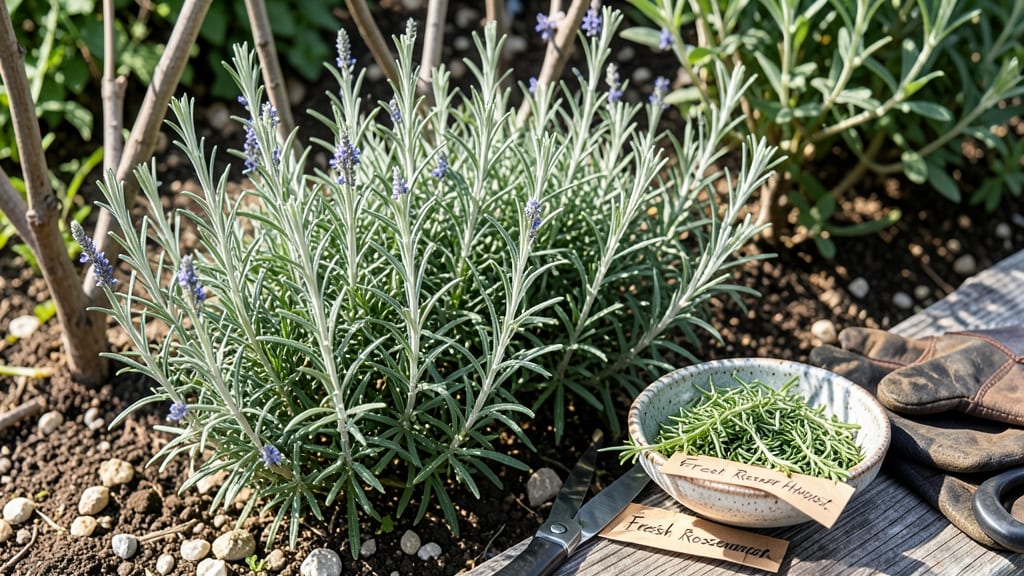
Harvesting fresh rosemary at the right time and with the right technique ensures you get that bright, piney flavor you crave in your cooking.
Nothing beats the aroma of freshly harvested rosemary—bright, piney, and packed with flavor—but knowing when and how to pick it makes all the difference between a fragrant culinary triumph and a wilted disappointment.
Rosemary 🌿 thrives in USDA Zone 6a and beyond, and the best time to harvest is when stems snap cleanly just above a leaf node, signaling maturity and peak flavor. This usually happens 6-8 months after planting, but in mild climates, you can harvest year-round.
In this guide, I’ll walk you through the step-by-step process—from identifying the perfect stems to storing your harvest for long-lasting freshness—so you can enjoy rosemary’s bold, aromatic goodness in every dish.
When to harvest fresh rosemary for maximum flavor and growth
Timing your rosemary harvest is everything—pick too early, and you’ll get mild, underdeveloped flavor. Harvest too late, and the woody stems dominate, leaving you with bitter disappointment. The sweet spot? Spring through early fall, when your rosemary is actively growing but hasn’t yet flowered.
Rosemary thrives in USDA Zone 6a and beyond, meaning you can harvest year-round in mild climates. But in colder regions, focus on late spring to early fall (April through October) when the plant is at its peak.
Even in frost-free zones, avoid harvesting after the first frost warning—cold stress weakens flavor and growth.
🌿 5 Key Signs Your Rosemary Is Ready to Harvest
- 🌱 Stems snap cleanly—gently bend a stem; if it snaps with a crisp break, it’s ready. If it bends without breaking, wait.
- 👃 Leaves release a strong piney aroma when crushed—this means oil content is high and flavor is peak.
- ✂️ Plant height exceeds 6 inches—smaller stems (under 4 inches) are tender and flavorless.
- 🌞 New growth is vibrant green—avoid harvesting old, yellowing stems or those near flowers.
- 🌡️ Temperatures stay above 50°F—harvesting in cold mornings can dull flavor and damage leaves.
💡 Pro Tip: Harvest in the morning after dew has dried—this preserves essential oils and flavor.
Seasonal shifts matter more than you think. In spring, harvest younger stems (3–6 inches) for delicate flavor, while summer is prime time for bold, mature stems. By early fall, focus on woody stems for drying—these hold the most concentrated oils.
Watch for flower buds—they signal the plant is shifting energy from leaves to reproduction. Harvest before buds form to avoid bitter, resinous notes. If flowers appear, trim them off immediately to redirect the plant’s energy back to leafy growth.
Overharvesting stresses your rosemary. Never take more than one-third of the plant at once, and always cut just above a leaf node (where leaves meet the stem). This encourages bushier, fuller growth and prevents woody stalks from dominating.
If your rosemary is container-grown, harvest more frequently (every 4–6 weeks) to prevent root-bound stress. For in-ground plants, a 6–8 week harvest cycle works best. Consistency keeps your plant compact and flavorful.
Cold weather dulls flavor, but don’t despair—dormant rosemary (winter in colder zones) can still be harvested lightly. Focus on young, tender shoots that emerge in late winter—these are sweeter and more aromatic than older growth.
For maximum flavor retention, harvest on a dry, sunny day. Avoid rainy weather—wet leaves bruise easily and spoil faster. Store harvested stems in a paper bag in the fridge for up to 1 week, or dry them immediately for long-term use.
Your rosemary’s health and growth depend on smart harvesting. By following these cues, you’ll enjoy peak flavor while keeping your plant lush and productive for years to come. Happy harvesting! 🌿
Step-by-step guide to harvesting rosemary without damaging the plant
Harvesting rosemary correctly ensures your plant stays healthy and bushy while delivering the brightest flavor. The key is using the right techniques—whether you're snapping stems or pruning—and knowing where to cut. Rosemary thrives when pruned properly, so avoid common mistakes like over-cutting or harvesting at the wrong time.
With the right approach, you’ll encourage new growth and a plentiful harvest for months to come.
Before you begin, gather your tools: a pair of sharp pruning shears or clean scissors, and optionally, a small glove to protect your hands from prickly stems. Never use dull tools, as they can tear the plant and invite disease.
The best time to harvest is in the morning after dew has dried, when the oils in the leaves are at their peak. This ensures your rosemary stays fresh and fragrant for longer.
How to Harvest Fresh Rosemary
- Step 1: Identify the Right Stems Look for woody, firm stems with vibrant green leaves. Avoid harvesting stems that are still soft or have yellowing leaves.
-
Step 2: Choose Your Technique
- For small sprigs, use the snapping method: Pinch the stem between your thumb and forefinger and bend it until it snaps cleanly just above a leaf node.
- For larger harvests, use pruning shears to cut just above a leaf node (where leaves or branches grow out).
- Step 3: Cut at the Correct Angle Make your cuts at a 45-degree angle to increase the surface area for water absorption and prevent water from pooling on the stem.
- Step 4: Harvest Strategically Never remove more than one-third of the plant at a time. Focus on outer stems to encourage new growth from the center.
- Step 5: Encourage Bushier Growth After harvesting, trim back any long, leggy stems to promote a fuller, denser plant. This also prevents the plant from becoming woody and sparse.
One of the most common mistakes is harvesting too much at once, which can stress the plant and reduce future yields. Rosemary is resilient, but even it needs time to recover.
Another pitfall is cutting stems too close to the base, which can damage the plant’s growth points and stunt new shoots. Always leave at least 2-3 inches of stem above the base when pruning.
To keep your rosemary thriving year-round, establish a regular harvesting schedule in the growing season (spring to early fall). In mild climates, you can harvest year-round, but reduce frequency in winter when growth slows.
After each harvest, inspect your plant for signs of pests or disease, such as yellowing leaves or spots. Address issues promptly to keep your rosemary healthy and productive.
Once you’ve mastered the art of harvesting, you’ll notice your rosemary grows bushier and more vigorous. The secret lies in consistent care—proper pruning, timely harvesting, and avoiding overwatering. With these techniques, your rosemary will reward you with abundant, flavorful sprigs for years to come. Happy harvesting! 🌿