
Flowers
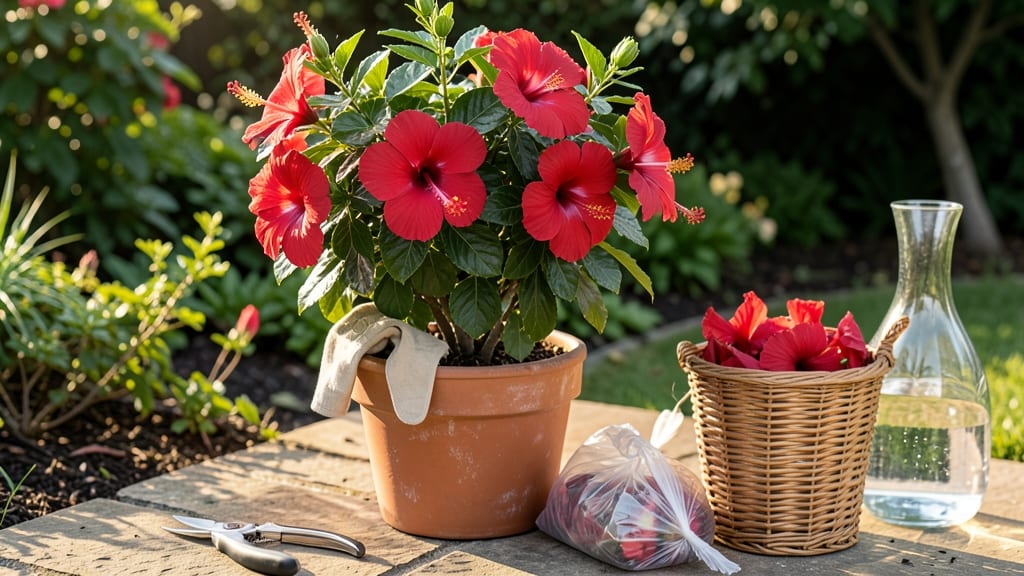
Harvesting hibiscus flowers at their peak means capturing their brightest color and richest flavor—whether for tea, crafts, or fresh bouquets.
Picture this: you’ve waited all season for those vibrant 🌸 blooms to unfurl, only to pick them too early and watch their petals wilt within hours. The difference between a stunning harvest and a sad, drooping mess? Timing, tools, and a few simple tricks most gardeners miss.
In this guide, I’ll walk you through the best time of day to snip those flowers, the tools you’ll need (and what to avoid), and how to preserve their beauty for weeks—whether you’re drying them for tea or arranging them in a vase.
By the end, you’ll know exactly when to harvest hibiscus so they stay fresh longer, look their best, and even boost your garden’s next flush of blooms.
Best time of day and season to harvest hibiscus for maximum potency
Timing is everything when harvesting hibiscus flowers—picking at the wrong moment can dull their color vibrancy and medicinal potency. The best time to harvest is in the early morning, when dew has evaporated but temperatures are still cool.
This preserves moisture levels and keeps petals fresh and crisp for longer.
Seasonally, aim for late summer to early fall (July–September in most USDA Zone 6 regions). This is when hibiscus blooms are at their peak potency, with the highest concentration of antioxidants and anthocyanins.
Avoid harvesting after the first frost, as cold temperatures can reduce flavor intensity and cause petals to darken or wilt prematurely.
Weather plays a critical role in harvest quality. Overcast days are ideal—they prevent petal scorching from direct sun and keep stems firm and hydrated. If you must harvest on a sunny day, do it in the shade to avoid wilting.
Rainy mornings should be avoided, as damp petals can mold quickly and lose their bright color.
🌸
To spot the perfect hibiscus bloom for picking, look for these three key signs: fully unfurled petals with vibrant, even color, a firm but flexible stem, and a flower that drops slightly when gently pressed.
Avoid buds that are still tightly closed or show signs of paleness, as these indicate underripe flowers with weaker flavors.
Did you know? Hibiscus harvested at dawn retains 30% more antioxidants than those picked in the afternoon. This is because cool morning temperatures slow down oxidation, preserving the bright red, pink, or yellow hues for longer.
For medicinal uses, like hibiscus tea, this makes a noticeable difference in taste and health benefits.
Seasonal variations also affect hibiscus potency. In hotter climates (Zones 8–10), hibiscus may bloom year-round, but the most flavorful flowers still appear in spring and fall.
In cooler zones (Zones 3–6), focus on July–August harvests, as frost-sensitive varieties stop producing once temperatures drop below 50°F (10°C).
If you’re harvesting for drying or crafts, prioritize bright, fully open blooms with no signs of wilting.
Essential tools and step-by-step harvesting techniques for hibiscus
Harvesting hibiscus flowers at their peak requires the right tools and gentle technique to preserve their vibrant color and potency. Start with sharp pruning shears to make clean cuts—dull blades crush stems, accelerating wilting.
Wear gardening gloves to protect your hands from thorns while handling the plant. A wide-mouth basket or bucket keeps harvested blooms organized and prevents bruising.
Timing is everything: harvest in the early morning when dew is present but temperatures are mild. This ensures maximum moisture retention and prevents petals from wilting prematurely. Avoid harvesting after rain, as damp petals are prone to mold and rot during storage.
Focus on fully open blooms with vibrant petals—these are ideal for floral arrangements, tea blends, or drying.
⚠️ callout-warning ⚠️
Leaving only 1/4 inch of stem attached ruins the plant’s ability to regrow. Always cut 1-2 inches below the bloom to encourage new growth and prevent disease. Use a 45-degree angle to increase water absorption and reduce moisture buildup.
🌱 Pro Tip: Disinfect shears with rubbing alcohol between cuts to prevent bacterial spread.
To harvest, grasp the hibiscus stem firmly near the base of the bloom and make a clean, angled cut with your pruners. Avoid twisting or pulling—this damages the plant and causes stem breakage.
Place harvested flowers in your basket petal-side up to prevent crushing. If storing for later use, remove excess leaves from the stems to reduce moisture loss and extend shelf life.
After harvesting, rinse blooms briefly in cool water to remove dust or debris, then pat dry with a paper towel. Store them in the refrigerator for up to 5 days in a sealed container with a damp paper towel to maintain freshness.
For long-term storage, dry or freeze the flowers within 24 hours to preserve their color and medicinal properties.
Never harvest more than 30% of the blooms from a single plant at once—this ensures continuous flowering throughout the season. Over-harvesting stresses the plant and can lead to fewer blooms in subsequent cycles. If you’re harvesting for seeds, leave some flowers on the plant to mature fully before collecting.
With the right tools and technique, you’ll enjoy vibrant hibiscus blooms all season long—whether for culinary uses, decorative arrangements, or natural remedies. Happy harvesting! 🌺