
How To
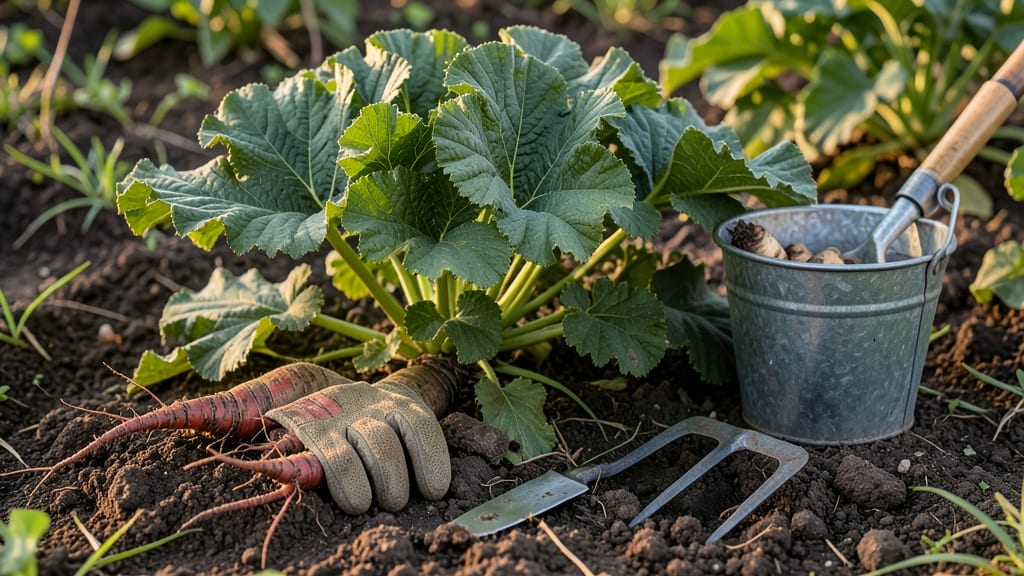
Harvesting a horseradish plant at the right time means roots packed with that signature fiery punch 🌱 — and skipping the wait can leave you with bland, underdeveloped roots.
If you’ve spent months nurturing your horseradish, waiting for that signature fiery kick in your dishes, timing your harvest is everything—especially when roots swell to golf-ball size. Too early, and you’re left with weak flavor; too late, and the roots become tough and woody.
Below, I’ll walk you through the best time to dig, how to tell when roots are ready, and the tools you’ll need for a clean, efficient harvest that keeps the spice sharp.
You’ll also discover how to store your freshly pulled roots—whether you’re grating them for sauces or saving them for winter meals—so nothing goes to waste.
When and how to identify perfectly ripe horseradish roots for harvesting
Timing your horseradish harvest correctly ensures maximum spiciness and root quality. The ideal harvest window occurs when roots reach golf-ball size (2-3 inches wide) and the plant shows clear maturity signs. Missing this window means sacrificing flavor intensity or dealing with woody, less pungent roots.
Horseradish thrives in cool-season climates like USDA Zone 6a, where roots mature best between late fall and early winter. In warmer regions, harvest in late summer before heat stress sets in. Always check for leaf yellowing and root firmness—two key indicators of readiness.
| Maturity Indicator | Description | Best Time to Check |
|---|---|---|
| Root Size | 2-3 inches wide (golf-ball size) | Late fall/early winter |
| Leaf Color | Yellowing and withering | October-November |
| Root Firmness | Thick, woody texture | Anytime after 12 months |
| Aroma Test | Strong, sharp scent when cut | Harvest season |
| Top Growth | No new shoots in fall | Late September-October |
Start by examining the leaf health—ready roots show yellowing foliage that dies back naturally. This signals the plant is redirecting energy to root development. In USDA Zone 6a, this typically happens in October-November, aligning with first frost dates.
Next, dig up a small test root to check size and aroma. A mature horseradish root should be 2-3 inches wide with a woody texture. If it smells sharp and pungent when cut, it’s harvest-ready. Immature roots lack this signature kick.
Soil conditions also impact maturity. Well-drained, sandy loam soils accelerate root growth, while clay-heavy soils slow development. Amend compacted soil with compost in early spring to improve drainage and encourage larger roots by harvest time.
Climate plays a crucial role—cooler temperatures (50-65°F) enhance flavor intensity, while heat stress above 80°F can make roots bitter and woody. In warmer climates, harvest earlier in late summer to avoid heat damage.
For year-round harvesting, plant new roots every 12-18 months since horseradish spreads aggressively. This rotating schedule ensures a consistent supply of fresh, high-quality roots with optimal spiciness.
Pro tip: Harvest on a cloudy day to reduce root stress. The cooler temps help preserve flavor and texture during extraction. Avoid harvesting after heavy rain, as waterlogged soil can cause rot.
If you miss the ideal window, don’t panic. Roots can be harvested anytime after 12 months, though flavor peaks at 2 years. Older roots become woody and less pungent, but they’re still usable for fermenting or cooking.
Remember, patience pays off—waiting for the perfect root size and aroma guarantees the boldest horseradish for your favorite dishes. Happy harvesting! 🌰🌱
Step-by-step guide to digging and cleaning horseradish roots without damaging them
Harvesting horseradish roots requires patience and precision to avoid bruising or breaking the delicate fleshy roots. When done correctly, you’ll preserve that signature spicy kick and ensure long-term storage quality. The key is working with the plant’s natural growth cycle while using the right tools and techniques.
Before you begin, gather your supplies: a sharp spade or garden fork, gloves (horseradish sap can irritate skin), a bucket of water, and a clean knife or pruners.
Timing is critical—harvest in late fall or early winter when the tops yellow and die back, or as needed for fresh use.
- 1
Use a garden fork to gently loosen the soil around the plant in a 12-inch radius. This reduces resistance when pulling the root.
- 2
Hold the leafy top firmly and pull upward with steady pressure. The root should slide out easily if the soil is loose.
- 3
Gently tap or shake the root to remove excess dirt. Avoid using water yet—this can cause bruising.
- 4
Cut the leafy green tops about 1 inch above the root using a clean knife. Save the greens for compost or mulch.
- 5
Rinse the root under cool running water, scrubbing gently with a soft brush to remove stubborn dirt. Pat dry with a towel.
- 6
Discard any bruised or broken sections. Store the rest in a cool, dark place or process immediately for fresh use.
After harvesting, store your horseradish roots in a plastic bag in the refrigerator for up to 2 weeks, or use them immediately for grating. For long-term storage, peel the roots and freeze them in airtight containers or ferment them to preserve that fiery flavor.
Pro tip: If you’re harvesting for fresh use, leave a small portion of the root in the ground. This allows the plant to regrow next season, giving you a continuous supply of spicy horseradish.