
How To
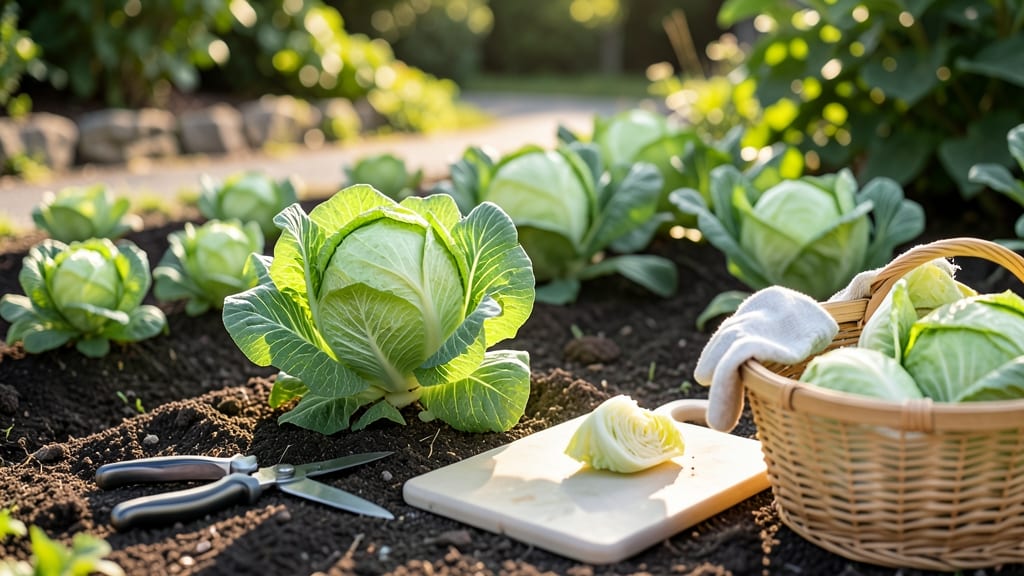
To harvest iceberg lettuce at its crispiest, wait until the outer leaves hit 8 inches wide—that’s when flavor and texture peak.
If you’ve ever sliced into a head only to find it wilted or bitter, you know timing is everything. But there’s more to it than just size: how you cut matters just as much as when you do it.
A sharp knife and the right technique keep your lettuce fresh longer and even encourage more growth.
In this guide, I’ll walk you through the exact steps to harvest iceberg lettuce—whether you’re going for whole heads or individual leaves—and share pro tips to avoid common mistakes.
You’ll learn how to spot the perfect moment, cut without damaging the plant, and store your harvest so it stays crisp for days.
Ready to turn your garden’s iceberg lettuce 🥬 into a steady supply of restaurant-quality salads? Let’s get started.
When and how to harvest iceberg lettuce for maximum freshness
Harvesting iceberg lettuce at the perfect moment ensures crisp, flavorful heads without bitterness or bolting. The key is waiting until the outer leaves reach 8 inches wide—this is when the crispness peaks and the flavor is mildest.
Timing varies slightly between outdoor gardens and indoor containers, but the maturity signs remain the same. If you harvest too early, the heads won’t be fully formed, and if you wait too long, the lettuce may bolt or develop a bitter taste.
Iceberg lettuce thrives in cool-season conditions, so your harvest window depends on when you planted. For spring plantings, aim for harvest between May and June, while fall plantings should yield in October or November.
If growing indoors under grow lights, monitor leaf size closely since light intensity affects growth speed. Always check for firm, compact heads and crisp edges—these are your best indicators of readiness.
Before harvesting, gather your tools: a sharp chef’s knife or clean pruning shears, a bowl for storage, and a spray bottle with water to refresh wilted leaves. Work on a cool, cloudy day to prevent stress on the plant.
If temperatures exceed 80°F, harvest early in the morning or late afternoon to avoid heat-induced bolting.
Step-by-Step Harvesting Guide
- 1 Check maturity: Verify outer leaves are 8 inches wide and heads feel firm to the touch. Gently squeeze a leaf—if it snaps crisply, it’s ready.
- 2 Choose your method: For whole-head harvest, cut the entire head at the base with a sharp knife. For cut-and-come-again, snip outer leaves 1 inch above the soil to encourage regrowth.
- 3 Cut cleanly: Use a sterilized knife to make a 45-degree angle cut at the base. Avoid tearing leaves, which bruises the lettuce and shortens shelf life.
- 4 Refresh immediately: Place harvested heads in a bowl of ice water for 10 minutes to crisp up any wilted edges. Pat dry with a paper towel to remove excess moisture.
- 5 Store properly: Wrap whole heads in damp paper towels and store in a plastic bag in the crisper drawer of your fridge. For cut-and-come-again, trim regrowth to 6 inches and water lightly to encourage new leaves.
If you’re harvesting iceberg lettuce indoors, reduce light intensity slightly after picking to slow down regrowth. Indoor plants often grow faster due to consistent light exposure, so monitor leaf size daily.
For outdoor plants, mulch around the base after harvesting to retain soil moisture and prevent weeds from competing with regrowth.
One common mistake is harvesting iceberg lettuce too late, which leads to bitter flavors and flower stalks. If you notice yellowing leaves or tall stems, the plant is bolting. To salvage it, harvest any remaining crisp leaves immediately and compost the rest.
Bolting is often triggered by heat stress or long daylight hours, so plan fall harvests to avoid late-summer heat.
For maximum yield, practice the cut-and-come-again method by harvesting outer leaves every 2-3 weeks. This technique extends the harvest season by 4-6 weeks and keeps your lettuce supply fresh.
Just be sure to leave the inner heart intact—this protects the plant and encourages new growth. With proper care, a single iceberg plant can produce multiple harvests before bolting.
After harvesting, inspect your lettuce for pests or diseases. Remove any wilted or discolored leaves immediately to prevent rot. If you notice aphids or slugs, treat the plant with neem oil or diatomaceous earth to protect future harvests.
Keeping your garden clean and dry is key to preventing post-harvest issues.
To maximize freshness, store harvested iceberg lettuce in a sealed container with a paper towel to absorb moisture. This method keeps lettuce crisp for up to 2 weeks in the fridge.
For longer storage, consider freezing blanched leaves in airtight bags—though texture will soften, the flavor remains intact. With these tips, you’ll enjoy homegrown iceberg lettuce at its peak for weeks.
Pro tips to extend iceberg lettuce harvest and prevent bolting
To extend your iceberg lettuce harvest beyond a single cutting, focus on regrowth techniques and environmental control. This variety thrives with consistent moisture and cool temperatures, but even small mistakes like overwatering or heat stress can trigger bolting.
The key is balancing harvest timing with post-harvest care to keep your plants producing crisp, flavorful heads for weeks.
One of my favorite tricks is using the cut-and-come-again method, where I harvest outer leaves instead of the whole head. This approach lets the center continue growing while still giving you fresh greens.
However, if you prefer whole heads, you’ll need to replant—iceberg lettuce doesn’t regrow well after full harvest. Let’s break down the best methods to maximize your yield without sacrificing quality.
Cutting vs. Pulling Iceberg Lettuce for Regrowth
- ✅ Preserves plant for regrowth
- ✅ Best for outer leaves (4-6 inches)
- ✅ Uses clean, sharp scissors
- ✅ Encourages tighter heads
- ❌ Removes entire plant (no regrowth)
- ✅ Best for full heads (8+ inches)
- ✅ Quick for large harvests
- ❌ Requires replanting
- Extends harvest by 3-4 weeks
- Reduces waste
- Ideal for cut-and-come-again cycles
- Risk of bolting if stressed
- Requires precise cuts
- Slower regrowth in heat
- Guarantees full, crisp heads
- No risk of regrowth failure
- Best for market sales
- No second harvest
- Requires replanting
- Less sustainable for home gardens
If you choose the cutting method, always use a clean, sharp knife or scissors to avoid damaging the plant. Cut leaves at the base, leaving at least 2 inches of growth to protect the center. For whole-head harvests, pull gently at the base to avoid tearing.
After harvesting, store your lettuce in a plastic bag with a paper towel to absorb moisture and keep it crisp for up to 10 days in the fridge.
To prevent bolting, monitor your lettuce’s temperature exposure. Iceberg lettuce bolts when days exceed 75°F (24°C). If your garden heats up, provide shade cloth or move pots to a cooler spot.
Also, avoid overwatering, which can lead to root rot and stress. Water deeply once every 3-5 days in spring/fall, but reduce frequency in summer to prevent soggy soil.
For long-term success, mulch around your plants with straw or grass clippings to retain moisture and regulate soil temperature. This simple step can double your harvest window by keeping roots cool and hydrated.
Pair this with a balanced fertilizer (like 5-10-10) every 4-6 weeks during active growth to support leafy production without triggering bolting.
Remember, iceberg lettuce is a cool-season crop, so plan your harvests around spring and fall. In summer, focus on shade and hydration, and in winter, protect plants from frost with row covers. With these tips, you’ll enjoy crisp, homegrown lettuce for months instead of weeks! 🥬