
How To
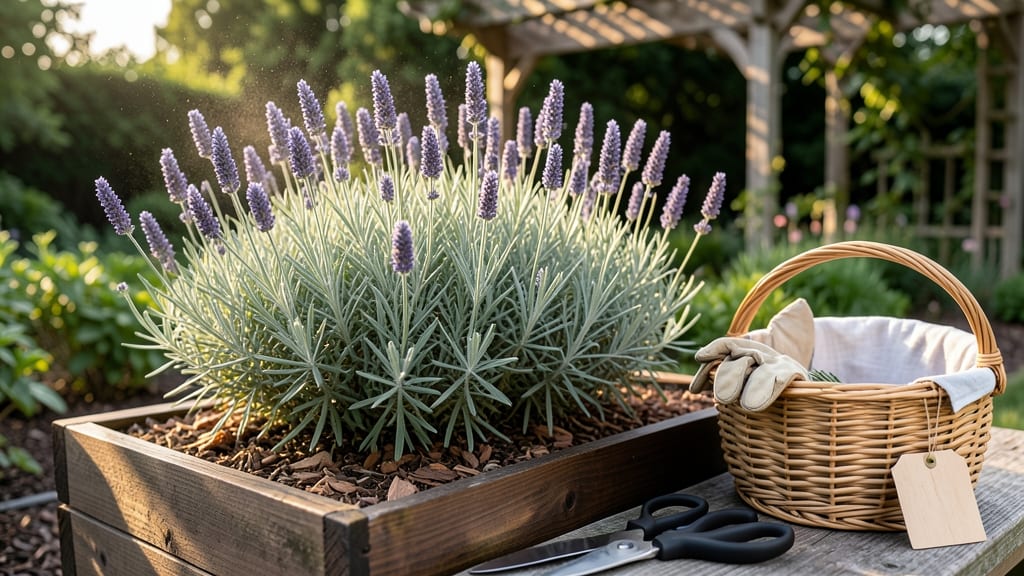
Harvesting lavender for tea requires precise timing and gentle handling to unlock its delicate, floral notes—because the wrong move can turn your fragrant crop into a bitter brew.
Picture this: your 🌿 lavender bushes are in full bloom, and you’re eager to turn those purple spikes into a soothing cup of tea. But if you snip too early or too late, you’ll miss the peak flavor that makes the difference between a mediocre sip and a heavenly aroma.
The secret lies in knowing exactly when to cut, how to dry it properly, and how to store it so every batch tastes fresh.
Most gardeners in USDA Zone 6a wait until late June or early July when buds are just beginning to open—never fully bloomed. That’s when the essential oils are at their strongest, and the stems are sturdy enough to handle drying without breaking.
Trust me, skipping this step means your tea will taste more like hay than the calming herbal blend you’re after.
In this guide, I’ll walk you through the step-by-step process—from selecting the right stems to drying and storing them for the best flavor. You’ll also discover how to repurpose your harvest for culinary dishes, sachets, or even homemade lavender oil. Ready to turn your garden into a tea-making powerhouse?
Best time and season to harvest lavender for tea
Timing is everything when harvesting lavender for tea—cutting at the wrong moment can turn your fragrant brew into a bitter disappointment. The best time to harvest is during peak bloom, when the flower buds are just starting to open but haven’t fully bloomed.
This ensures the highest concentration of essential oils, which give your tea its signature aroma and flavor.
For most lavender varieties, this window falls between late June and early August, depending on your climate zone. In USDA Zone 6a, for example, I’ve found that harvesting in July yields the most potent tea.
The key is to act quickly—once the flowers fully open, the oils begin to degrade, and the flavor becomes less vibrant.
But timing isn’t just about the season—it’s also about the time of day. Always harvest in the early morning, after the dew has dried but before the sun reaches its peak.
This preserves the oil content and prevents the stems from wilting too quickly. I like to start my harvesting around 7 AM for the best results.
- 1. Choose the Right Season: Harvest during peak bloom (late June–early August in Zone 6a). Avoid harvesting after full bloom—flavor fades quickly.
- 2. Pick at the Perfect Time: Harvest in the early morning (7–9 AM) when essential oils are at their peak and dew has evaporated.
- 3. Look for Ready Buds: Select stems with buds just opening (purple buds, not fully open flowers). Avoid green, unripe buds or overripe, browned flowers.
- 4. Cut at the Right Length: Harvest stems that are 12–18 inches tall. Longer stems yield more flower clusters for drying and brewing.
- 5. Avoid Over-Harvesting: Never cut more than 1/3 of the plant at once. This ensures your lavender has time to regrow for future harvests.
- 6. Use the Right Tools: Use clean, sharp pruners or shears to make clean cuts. Dull tools crush stems, reducing oil quality.
One of the biggest mistakes I see beginners make is harvesting lavender that’s past its prime. Overripe flowers with browned edges or fully opened blooms will produce a tea that tastes harsh and bitter.
Always check for firm, woody stems and closed-to-partially-open buds. If the flowers are fully open, it’s too late—wait for the next harvest cycle.
Seasonal timing also matters. In cooler climates, lavender may bloom later, so adjust your harvesting schedule accordingly. I’ve grown lavender in Zone 5b, and I’ve learned to wait until mid-July to avoid early frost risks.
Pay attention to your local last frost date and your plant’s growth cycle to plan the best harvesting window.
Another pro tip: Harvest on a dry, sunny day. Cloudy or humid conditions can lead to mold growth during drying, ruining your crop. I always check the weather forecast a few days ahead to ensure smooth drying conditions.
If rain is forecasted, hold off on harvesting until the skies clear.
Finally, don’t forget that lavender regenerates after harvesting. If you cut it back properly, your plant will produce new growth and even a second flush of flowers later in the season. This means you can enjoy multiple harvests per year if you space them out correctly.
Just avoid harvesting in the fall or winter, as the plant enters dormancy and won’t recover well.
By following these guidelines, you’ll ensure your lavender tea is aromatic, flavorful, and free of bitterness. The effort you put into timing and technique will pay off with a cup of tea that’s truly worth savoring. 🌿☀️✂️
Step-by-step lavender trimming techniques for tea brewing
Harvesting lavender for tea requires precision to capture the best flavor and aroma. Start by selecting stems with partially open buds—fully bloomed flowers yield weaker tea. Use sharp pruning shears to avoid crushing stems, which can turn bitter.
Aim for a 6-8 inch length per stem, cutting just above a leaf node to encourage regrowth.
Never harvest more than one-third of the plant at once to preserve its health. Focus on the outer stems first, letting the center mature for future harvests.
Early morning is ideal—dew-free buds retain the most essential oils. Avoid harvesting after rain, as moisture dulls the scent and can spoil your harvest.
For tea brewing, prioritize a 3:1 flower-to-stem ratio. Overly woody stems dilute flavor, while too many flowers can make the tea overly floral. Bundle stems in small, loose clusters and hang them upside down in a well-ventilated, dry space like a garage or shed.
This method mimics traditional drying but requires patience—2-3 weeks for full drying.
| Method | Time Required | Flavor Preservation | Equipment Needed |
|---|---|---|---|
| Traditional Air Drying | 2-3 weeks | High (natural oils retained) | String, dry space |
| Dehydrator Drying | 4-6 hours | Medium (heat-sensitive oils) | Dehydrator, trays |
| Oven Drying (Low Heat) | 1-2 hours | Low (risk of burning) | Oven, parchment paper |
Modern methods like dehydrators speed up drying but may compromise flavor if set too hot. For best results, use a dehydrator on low heat (95°F or below) and spread stems in a single layer.
Test dryness by crushing a few buds—if they crumble easily, they’re ready. Store dried lavender in airtight glass jars away from light to preserve its potency for up to 1 year.
After drying, strip the buds from the stems and store them separately. The buds contain the highest concentration of essential oils, making them ideal for tea blends. For a balanced brew, mix 1 teaspoon of dried lavender buds with 1 cup of hot water.
Steep for 5-7 minutes—longer steeping intensifies flavor but can turn bitter.
Pro tip: Pair your lavender tea with honey or lemon to enhance its calming properties. Avoid over-harvesting in late summer, as lavender needs energy to replenish for next season. With proper trimming, your bushes will thrive and reward you with years of fragrant harvests.