
How To
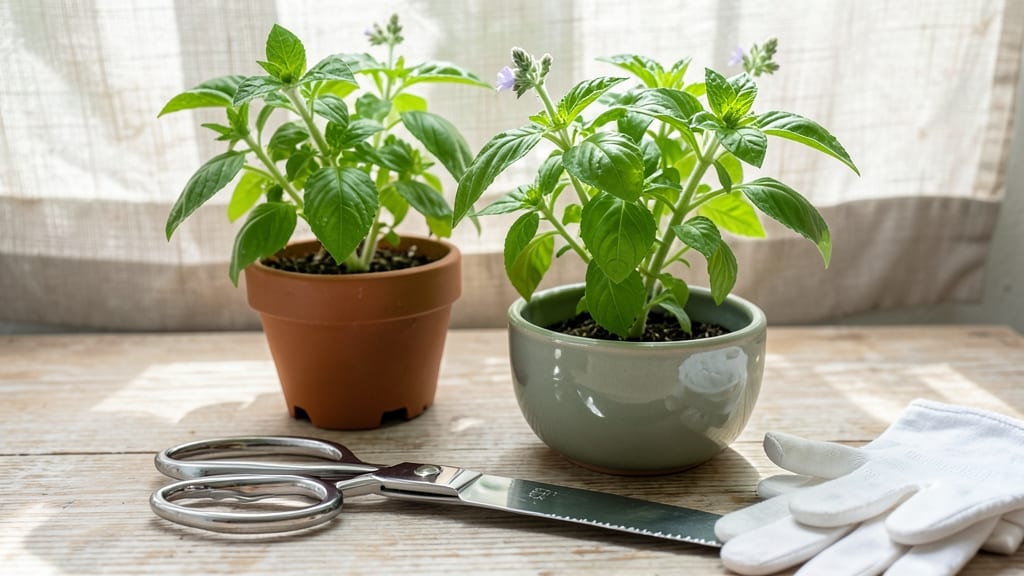
Harvesting lemon basil at the right time and with the right technique is the secret to keeping your 🍋 plants productive and bursting with that signature zesty flavor.
Picture this: You’ve nurtured your lemon basil for weeks, only to watch it bolt into flower—suddenly, those once-bright leaves turn bitter and the plant throws away its best asset. That’s why timing and method matter more than you might think.
In this guide, I’ll walk you through the exact when and how to harvest lemon basil for maximum regrowth and flavor, plus the tools and tricks to avoid common mistakes that waste your hard work.
You’ll learn how to prune like a pro, store your harvest fresh, and even troubleshoot issues like leggy stems or yellowing leaves—so your kitchen always has the freshest, most aromatic lemon basil on hand.
When and how to harvest lemon basil for maximum flavor and regrowth
Timing your lemon basil harvest is everything—wait too long, and the lemony aroma fades as the plant shifts energy to flowering. Aim for 6-8 weeks after planting, when stems reach 6-8 inches tall with fully developed leaves.
This window ensures peak flavor while giving your plant enough time to regrow vigorously after pruning.
Outdoor plants thrive from June through September, while indoor basil (near south-facing windows) can be harvested year-round if given 6+ hours of sunlight daily. The key is consistency: harvest every 3-4 weeks to maintain bushy growth and prevent woody stems that dull the citrus notes.
Always harvest in the morning after dew dries—this ensures leaves are dry and ready for use or storage. The lemon scent intensifies when crushed, so a quick sniff test is your best quality check before cutting.
| Harvest Factor | Optimal Condition | Why It Matters |
|---|---|---|
| Plant Age | 6-8 weeks after planting | Ensures leaves are large and flavorful |
| Stem Height | 6-8 inches tall | Prevents woody stems that reduce flavor |
| Leaf Development | Fully open, glossy leaves | Guarantees maximum lemon aroma |
| Flower Buds | None visible | Flowering reduces lemon flavor |
| Time of Day | Morning (after dew dries) | Leaves are driest and most flavorful |
| Harvest Frequency | Every 3-4 weeks | Encourages bushier regrowth |
For stem selection, focus on the outer stems first—these are the most mature and won’t stunt the plant’s center. Use clean, sharp scissors (or fingers for small pinches) to cut just above a leaf node, leaving 1-2 inches of stem.
This encourages new shoots to grow from the node below.
Indoor plants may need supplemental grow lights (12-16 hours/day) to maintain vigor between harvests. Without enough light, stems grow leggy and lose their lemony potency. If you notice elongated stems, trim them back by one-third to prompt bushier growth.
Avoid cutting into the woody base of the plant—this can kill your lemon basil. Instead, always leave at least 2-3 inches of growth above the soil. For overgrown plants, you can do a hard prune (cutting back by half) in early spring to rejuvenate growth.
After harvesting, rinse leaves under cool water if dirty, then gently pat dry with a paper towel. Store in an airtight container with a damp paper towel to preserve freshness for up to 1 week.
For long-term storage, dry leaves on a screen in a dark, dry place or freeze in ice cube trays with water or oil.
If your lemon basil starts flowering, don’t panic—simply pinch off the flowers and focus on harvesting leaves. The plant will redirect energy to leaf production, restoring its citrusy aroma within 2-3 weeks of consistent pruning.
Pro tip: Rotate your harvest sites if growing multiple plants. This evenly distributes stress and prevents one section from becoming over-pruned while others remain untouched.
Step-by-step lemon basil pruning guide: tools, techniques, and common mistakes
Pruning your lemon basil isn’t just about harvesting—it’s about encouraging bushier growth and preserving that signature citrusy aroma. The key lies in making clean cuts at the right spots while avoiding over-pruning, which can stress your plant.
I’ve learned that sterilized pruning shears and proper timing are non-negotiable for healthy regrowth.
Start by inspecting your plant for woody stems or leggy growth—these are signs it’s time to prune. Never remove more than one-third of the plant at once, or you’ll stunt its ability to recover.
Focus on the outer stems first, as this promotes a fuller shape and prevents flowering, which dulls the flavor.
Here’s my step-by-step pruning guide to keep your lemon basil thriving:
Gather the Right Tools
Use sterilized pruning shears or sharp scissors to avoid crushing stems. Wipe blades with rubbing alcohol between cuts to prevent disease spread.
Locate the Growth Points
Identify the top sets of leaves on outer stems. These are your pruning targets—cut just above a leaf node (where leaves meet the stem) to encourage new growth.
Make the Cut
Angle your cut 45 degrees above the leaf node. Avoid cutting too close to the base—1/3 of the stem should remain attached to the plant.
Revitalize Leggy Plants
If your basil is tall and sparse, prune back by half its height. This forces new shoots to grow from the base, creating a fuller plant.
Monitor Post-Pruning
Watch for yellowing leaves or pest activity (like aphids) in the days after pruning. Increase watering frequency slightly to help recovery.
After pruning, I always rinse the leaves under cool water to remove any debris, then pat them dry with a clean towel. Store harvested stems in a glass of water in the fridge for up to a week—this keeps them fresher longer while you wait for new growth.
Common mistakes like cutting too close to the base or over-pruning can lead to stunted growth or even death. If you notice yellow leaves after pruning, it’s often a sign of overwatering—let the soil dry slightly between waterings.
For pest infestations, spray with neem oil and repeat every 5-7 days.
With these techniques, your lemon basil will stay lush, flavorful, and ready for harvest all season long. Happy pruning! ✂️🌿🍋