
How To
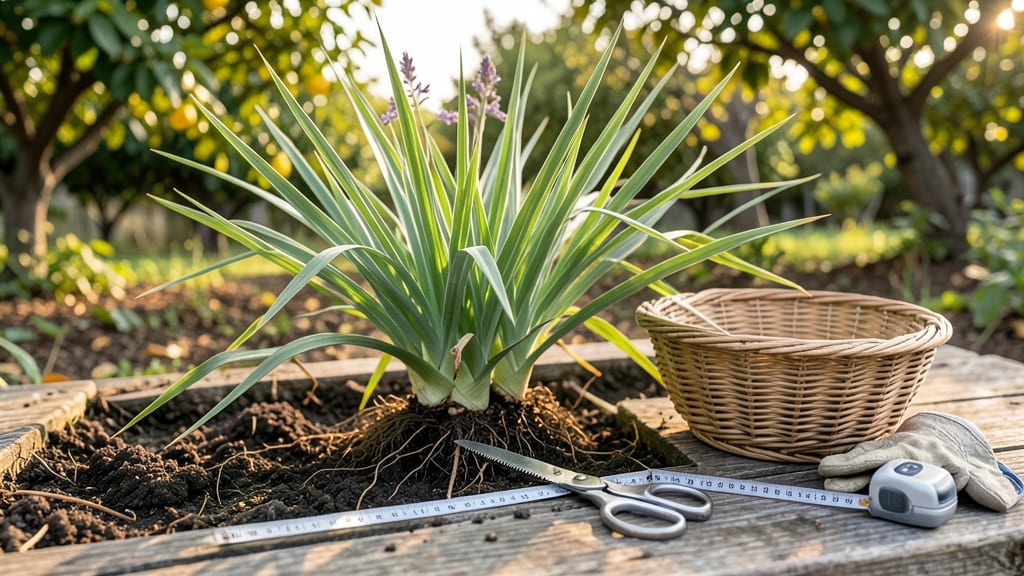
Harvesting lemon grass at the right time means fresh, flavorful stalks that snap easily and regrow like a champ—no guesswork needed.
Picture this: you bend a stalk, and it gives just a little, not too stiff, not too floppy. That’s your cue to grab the shears—the bend test is the secret to knowing when your 🌿 is ready.
Too soon, and the flavor is weak; too late, and you’re left with a woody mess. I’ve made both mistakes (and the kitchen paid the price), so let’s skip the trial-and-error and get straight to the best timing, tools, and techniques for a perfect harvest every time.
You’ll learn how often to cut, what to watch for when the plant begs for a break, and how to store your bounty so it stays vibrant—whether you’re making curry or tea.
When to harvest lemon grass: the bend test & ideal growth stages
Harvesting lemon grass at the right time ensures maximum flavor and prevents damaging your plant. The key is watching for stem flexibility and proper leaf development—two clear signs your plant is ready.
I’ve learned that harvesting too early or too often weakens the plant, while waiting too long reduces potency and yield.
Your lemon grass should reach 3-4 feet tall before harvesting, with stalks about 1-2 cm thick at the base. The leaves should be fully elongated and vibrant green, not pale or yellowing. This growth stage usually occurs 6-12 months after planting, depending on your climate and care routine.
Now, let’s talk about the bend test, my favorite trick for perfect timing. Gently bend a stalk near the base—if it bends slightly without snapping, it’s ready for harvest.
If it snaps easily, it’s overripe; if it resists bending, wait a few more weeks. This simple test saves me from harvesting too early or too late.
| Growth Stage | Plant Height | Stem Flexibility | Leaf Color | Harvest Ready? |
|---|---|---|---|---|
| Early Growth | Under 2 ft | Very flexible, bends easily | Light green, sparse | ❌ No |
| Ideal Harvest | 3-4 ft | Bends slightly, doesn’t snap | Vibrant green, elongated | ✅ Yes |
| Overripe | Over 4 ft | Brittle, snaps easily | Dull green or yellowing | ❌ No (reduced flavor) |
Timing your harvest by the season also makes a difference. In spring and summer, when growth is fastest, you can harvest every 2-3 months. During fall and winter, growth slows, so space harvests 3-4 months apart to avoid stressing the plant.
I’ve found that harvesting in the morning gives the best flavor, as the essential oils are most concentrated then.
One mistake I see often is harvesting the inner leaves first, which weakens the plant. Always cut the outer stalks first, leaving the inner growth to continue.
This method encourages new shoots while maintaining the plant’s health. Never remove more than 1/3 of the stalks at once, or you’ll stunt regrowth.
If your lemon grass shows signs of stress after harvesting—like yellowing leaves or stunted growthharvests for 2-3 years with proper spacing and care.
For container-grown lemon grass, harvest even more carefully since root space is limited. These plants mature slower and need extra time between harvests. I’ve had success with monthly light trims of just the outer leaves to encourage bushier growth, but full stalks should still follow the bend test rules.
Pro tip: Mark your harvest calendar based on your plant’s growth cycle. If you’re in a tropical climate, you can harvest year-round, but in cooler areas, focus on spring through fall.
Always harvest on a dry day to prevent fungal issues, and use a sharp knife or pruners for clean cuts.
By mastering the bend test and respecting your plant’s growth stages, you’ll enjoy flavorful, abundant harvests without sacrificing the health of your lemon grass. The secret is patience—wait for the perfect signs, and your plant will reward you with bold, aromatic stalks every time. 🌿✂️
Step-by-step lemon grass harvesting: tools, trimming techniques & storage tips
Harvesting lemon grass at the right time ensures maximum flavor and healthy regrowth. Once your stalks reach 3-4 feet tall with 1-2 cm thick bases, they’re ready. I always check for bright green leaves and stems that bend slightly—never snap—before cutting.
Using the wrong tools or cutting technique can damage your plant. A sharp pruning shear or clean kitchen knife is ideal. Avoid dull blades that crush stems, which weakens regrowth. I also keep a small bucket of water nearby to rinse off dirt and pests immediately after harvesting.
How to Harvest Lemon Grass: Step-by-Step
- Step 1: Select mature stalks (3-4 ft tall) with thick bases (1-2 cm). Avoid cutting younger shoots to allow the plant to mature.
- Step 2: Use sterilized shears or a sharp knife to cut 2-3 inches above ground level. Cutting too low removes growth nodes, stunting regrowth.
- Step 3: Trim off lower leaves and tough outer sheaths to expose the tender inner stalk. Save these for broth or compost.
- Step 4: Rinse stalks under cool water to remove dirt and insects. Pat dry with a clean towel to prevent rot.
- Step 5: Store fresh stalks upright in a jar of water in the fridge for up to 2 weeks. For long-term use, dry or freeze as described below.
After harvesting, I always water my lemon grass deeply to encourage regrowth. The plant will sprout new shoots from the base within 2-4 weeks, especially if you’ve left 2-3 inches of stem intact. Avoid harvesting more than 1/3 of the stalks at once to prevent stress.
For storage, fresh lemon grass keeps best in the fridge wrapped in a damp paper towel for 1-2 weeks. To dry, hang stalks in small bundles in a warm, dark place for 1-2 weeks, then strip and store leaves in an airtight container.
For freezing, wrap stalks in plastic wrap or chop and store in ice cube trays with water.
Pro tip: Label your stored lemon grass with the harvest date. Older stalks lose flavor intensity over time, so use dried or frozen stalks within 6-12 months for the best aroma in your dishes.