
How To
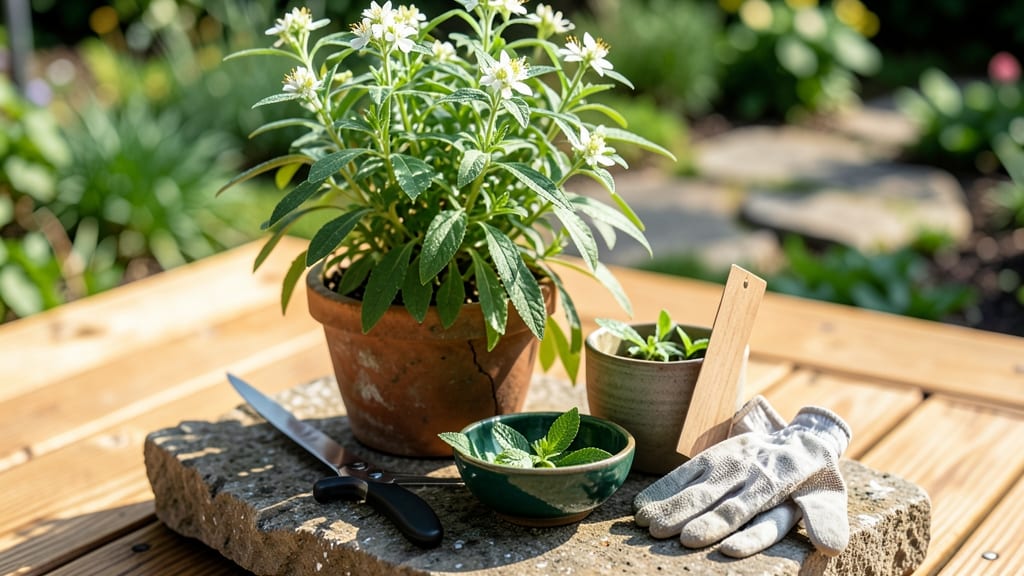
To harvest lemon verbena at its peak 🍋, you’ll want to time it right and use the proper techniques to preserve that bright citrus flavor.
Picture this: you’ve nurtured your lemon verbena all season, and now it’s standing tall with glossy leaves that smell like sunshine. But harvest too early, and you’ll miss the boldest flavor; wait too long, and the aroma fades.
The best time is just before flowering, when the leaves are fully developed and bursting with that signature lemony scent.
Whether you’re drying bundles for winter teas or snipping fresh sprigs for cocktails, knowing when and how to cut makes all the difference. Below, I’ll walk you through the exact steps—from choosing the right tools to storing your harvest so it stays potent for months.
You’ll also discover how to prune for bushier growth, avoid common mistakes that weaken your plant, and even turn your harvest into homemade lemon verbena-infused oils or sachets. Let’s get started!
Best time to harvest lemon verbena for maximum flavor and aroma
Timing is everything when harvesting lemon verbena—this fragrant herb reaches its peak flavor and aroma at specific moments during the day and growing season. The essential oils that give lemon verbena its signature citrusy kick are most concentrated when the plant is fully mature and actively growing.
Understanding these windows ensures you capture the brightest lemon scent and boldest flavor for teas, desserts, or natural remedies.
Morning harvests—between 8 AM and 10 AM—are ideal because the dew has evaporated, but the plant hasn’t yet lost moisture to the midday sun. This balance preserves the leaf integrity and oil potency.
Afternoon harvests (after 4 PM) can work in cooler climates, but the leaves may wilt faster due to heat stress, reducing their shelf life and aroma intensity.
Seasonally, aim to harvest lemon verbena from late spring through early fall, when temperatures are warm but not scorching. The harvest window typically spans June to October in most USDA zones (6a and warmer).
Avoid harvesting during extreme heat waves or early spring, as the plant’s essential oil production is minimal during these periods.
Plant maturity plays a critical role in flavor. Young plants (under 120 days old) produce milder leaves, while mature plants (over 150 days old) develop the richest lemon scent. However, harvest just before flowering—when the plant is 4-6 feet tall—to avoid the bitter notes that develop once buds form.
| Harvest Factor | Optimal Conditions | Signs of Readiness |
|---|---|---|
| Time of Day | Morning (8-10 AM) | Leaves are dry, dew-free, and fully turgid |
| Season | Late spring to early fall (June-October) | Plant height: 12-18 inches, glossy dark green leaves |
| Plant Age | 150-200 days old | Strong lemon scent when crushed, woody stems at base |
| Weather | Warm, dry days (60-85°F) | No wilting, no signs of pest stress |
| Avoid Harvesting | Afternoon heat waves, early spring, or post-flowering | Leaves taste bitter, stems become overly woody |
To test if your lemon verbena is ready for harvest, crush a few leaves between your fingers. If they release a bright, citrusy aroma (not just a faint herbal scent), they’re prime for picking.
Also, check for dark green, glossy leaves and sturdy stems—these are visual cues of maturity. If the leaves are small, sparse, or lack scent, wait 2-4 more weeks for peak flavor.
Harvesting individual leaves (rather than entire stems) encourages bushier growth and prolongs the plant’s productivity. Use clean, sharp pruning shears or scissors to snip just above a leaf node, leaving at least half the stem intact.
This method promotes regrowth while maintaining the plant’s health. Avoid over-harvesting—never take more than one-third of the plant’s foliage at once.
After harvesting, rinse the leaves briefly under cool water to remove dirt, then pat them dry with a paper towel. Store fresh leaves in the fridge for up to 5 days in a sealed container lined with a damp paper towel to retain moisture and aroma.
For long-term use, dry or freeze the leaves immediately to preserve their essential oils and citrusy punch.
Pro tip: If your lemon verbena flowers, harvest before the buds open—the scent and flavor intensify just before blooming. Once flowers appear, the plant’s energy shifts from leaf production to seed development, dulling the lemony notes you love.
Regular harvesting (every 4-6 weeks) keeps your plant lush and productive all season long.
🍋
Step-by-step pruning techniques to boost lemon verbena growth
Pruning your lemon verbena isn’t just about keeping the plant tidy—it’s a game-changer for bushier growth and higher yields of those prized aromatic leaves. When done correctly, strategic pruning encourages new stem development, prevents legginess, and ensures your plant stays productive for years.
The key is knowing when and how to cut without shocking the plant.
Start by gathering your pruning tools: a pair of sharp, clean bypass pruners (avoid dull tools that crush stems) and sterilized shears if working with multiple plants. Wear gloves—the plant’s oils can irritate sensitive skin, and they’ll keep your hands clean for handling leaves.
Always prune on a dry, sunny morning to reduce stress on the plant and allow wounds to heal quickly under optimal conditions.
How to Prune Lemon Verbena for Optimal Growth
-
Step 1: Identify Growth Zones
Focus on new growth near the base and woody stems. Avoid cutting back more than 1/3 of the plant at once to prevent shock. -
Step 2: Cut at 45-Degree Angles
Make cuts just above a leaf node (where leaves meet the stem) at a 45-degree angle to increase surface area for faster healing and regrowth. -
Step 3: Prune for Shape
Remove overcrowded branches and crossing stems to improve airflow. Trim taller stems to encourage bushier growth and prevent flopping. -
Step 4: Harvest Strategically
For harvesting leaves, pinch off younger stems (avoid cutting into older wood). For regrowth, cut back older stems to the base in early spring. -
Step 5: Clean Up
Remove all pruned debris from the area to prevent disease. Sterilize tools with rubbing alcohol between cuts to avoid spreading pathogens.
Timing your pruning is crucial for lemon verbena productivity. Prune in early spring (just as new growth begins) to stimulate bushiness and remove damaged winter stems. In summer, focus on light pruning to encourage leaf production—never cut back more than 20% of the plant at once.
Avoid heavy pruning in fall or winter when the plant is dormant.
Encouraging bushier growth is all about balancing harvest and regrowth. If you’re harvesting leaves frequently, pair it with light pruning to maintain shape. For a fuller plant, cut back selective stems to the base in spring—this signals the plant to send out multiple new shoots from the base.
Just remember: never remove more than 1/3 of the plant in a single session.
Safety is just as important as technique. Always sterilize tools before and after pruning to prevent bacterial or fungal infections. If your skin is sensitive, wear gardening gloves—the essential oils in lemon verbena can cause irritation.
After pruning, water deeply to help the plant recover and reduce stress. This herb is hardy, but proper aftercare ensures it stays healthy and productive for seasons to come.
With these techniques, your lemon verbena will thrive, producing lush, fragrant foliage year after year. Happy pruning—and enjoy that citrusy aroma in your garden! 🌿✂️