
How To
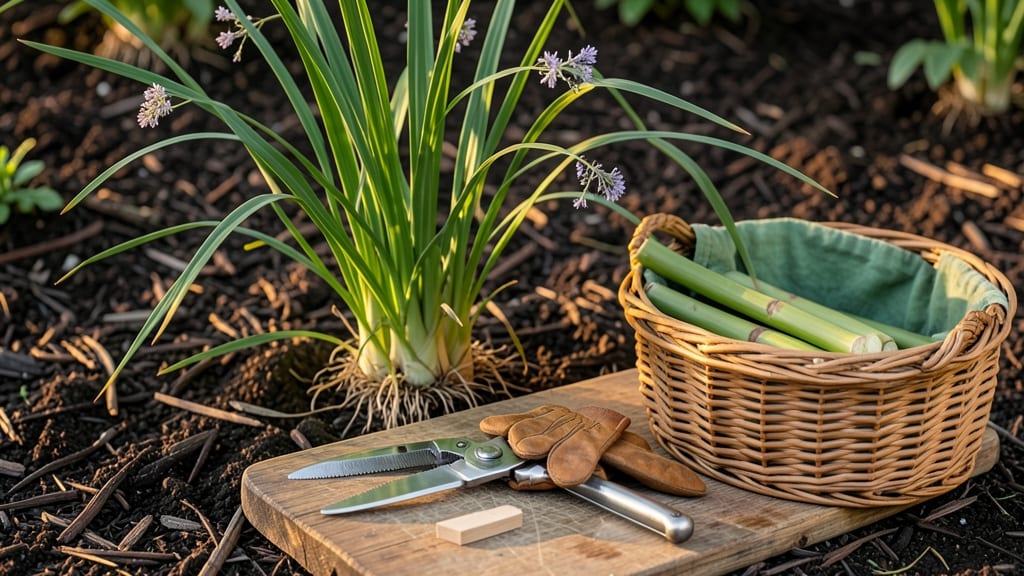
To harvest lemongrass at its peak flavor, aim for stems that are 12-18 inches tall and firm to the touch—this is when the citrusy aroma hits its sweet spot.
Picture this: you crush a stem between your fingers, and that bright, zesty scent fills the air. That’s your cue that the plant is ready—not too woody, not too young, but perfectly balanced for the best flavor and regrowth.
Harvesting too early means weak flavor, while waiting too long turns the stems bitter and tough. I’ve made both mistakes, and trust me, you want to nail this timing for the most aromatic, vibrant lemongrass possible.
In this guide, I’ll walk you through the exact cutting techniques to maximize yield without harming your plant, plus storage tips to keep that fresh taste for months.
When to harvest lemongrass for peak flavor and freshness
Timing your lemongrass harvest correctly ensures you get the most aromatic, tender stems while encouraging future regrowth. Unlike many herbs, lemongrass doesn’t just get "bigger"—it develops a woody core if left too long, turning your prized flavor into a bitter disappointment.
The key is harvesting when stems are mature but still tender, typically between 12-18 inches tall and at least 1/4-inch in diameter.
I’ve learned the hard way that harvesting too early means mild, underdeveloped flavor, while waiting too long results in fibrous, citrus-less stalks. The sweet spot? When your plant shows three key maturity signs: vibrant green leaves, a firm stem, and that unmistakable lemony aroma when crushed.
Let’s break down exactly when—and how—to harvest for the best results.
🌱 SUMMARY TABLE: Optimal Harvesting Windows
| Stage | Stem Height | Diameter | Leaf Color | Aroma | Best For |
|---|---|---|---|---|---|
| Early Growth | 6-12" | <1/8" | Light green | Mild | Avoid harvesting |
| Prime Harvest | 12-18" | 1/4-1/2" | Deep green | Strong citrus | Best flavor |
| Over-Mature | 18"+ | >1/2" | Yellowing | Bitter, woody | Discard or dry |
| Seasonal Tip | Year-round | N/A | N/A | N/A | Harvest before first frost |
Seasonal timing also plays a role in lemongrass flavor intensity. In USDA Zone 6a (where I garden), the sweetest harvests occur between late spring and early fall—when temperatures hover between 70-85°F.
During these months, your plant grows fastest, and the citral oil (what gives lemongrass its signature tang) peaks. If you’re in a warmer climate, you can harvest year-round, but avoid cutting during extreme heat (above 90°F), as this stresses the plant and dulls flavor.
One mistake I made early on was harvesting based solely on stem height. A 12-inch stem might look perfect, but if the leaves are yellowing or curling, it’s a sign of nutrient deficiency or underwatering.
Always check for three signs of readiness: height, leaf color, and aroma. Pro tip: Crush a leaf between your fingers—if it smells like lemon zest, it’s ready. If it’s faint or grassy, wait a few weeks.
Age matters too. Most lemongrass varieties take 3-5 months to reach harvestable size from seed, while established clumps can produce year-round harvests if given proper care. I’ve found that young plants (under 6 months) should be harvested sparingly—only 1-2 stems at a time—to avoid stunting growth.
Mature plants, however, can handle more frequent harvesting, producing new shoots from the base if cut correctly.
Why does timing matter so much? Because lemongrass flavor compounds degrade as the plant matures. The young, inner leaves contain the highest concentration of volatile oils, which give that signature zing. Once the stem becomes <
Step-by-step lemongrass cutting techniques for maximum yield
Harvesting your lemongrass correctly ensures a steady supply of fragrant stems while keeping your plant healthy. The key lies in where and how you cut—above the nodes promotes regrowth, while cutting too low can stunt future harvests.
I’ve perfected my technique over years of growing, and these steps will help you avoid common mistakes that lead to bitter or stunted regrowth.
Before you begin, gather your tools: a sharp pruning shears or clean kitchen knife (sterilized with rubbing alcohol), a bucket of water, and a glove to protect your hands from the plant’s oils.
Work in the morning when the stems are hydrated and firm, ensuring the best flavor and texture for your harvest.
How to Harvest Lemongrass
-
Step 1: Identify the Cutting Zone
Locate the lower nodes (the bulging sections) on the stem, about 6-8 inches from the base. These are the growth points where new shoots will emerge. -
Step 2: Make the Cut
Use your sterilized shears to cut the stem at a 45-degree angle, 1-2 inches above the topmost node. This angle prevents water from pooling and reduces rot risk. -
Step 3: Leave 3-4 Inches of Stem
Never cut below the lowest node—this ensures the plant has energy to regrow. A 3-4 inch stubble is ideal for future harvests. -
Step 4: Harvest Multiple Stems
Repeat the process for 3-4 mature stems per plant, spacing cuts evenly around the base. This balances regrowth and avoids over-stressing the plant. -
Step 5: Post-Harvest Care
Immediately place cut stems in water to preserve freshness. Trim any yellow or damaged leaves from the remaining plant to redirect energy to new growth.
After harvesting, give your lemongrass plant a boost by applying a balanced fertilizer (like 10-10-10) and increasing water slightly for the next 2 weeks. This encourages rapid regrowth. I’ve found that plants harvested this way often produce new shoots within 4-6 weeks, especially in warm climates.
For long-term yield, avoid harvesting more than one-third of the plant at a time. Over-pruning can weaken the root system and reduce future harvests. If you’re growing lemongrass in containers, rotate the pot every few weeks to ensure even sunlight exposure, which promotes uniform growth.
Pro tip: Store harvested stems in the fridge for up to 2 weeks or freeze them whole for later use. The outer leaves can be removed before cooking, but the inner stems retain the most flavor. With the right technique, one healthy plant can provide year-round harvests in warm climates!