
How To
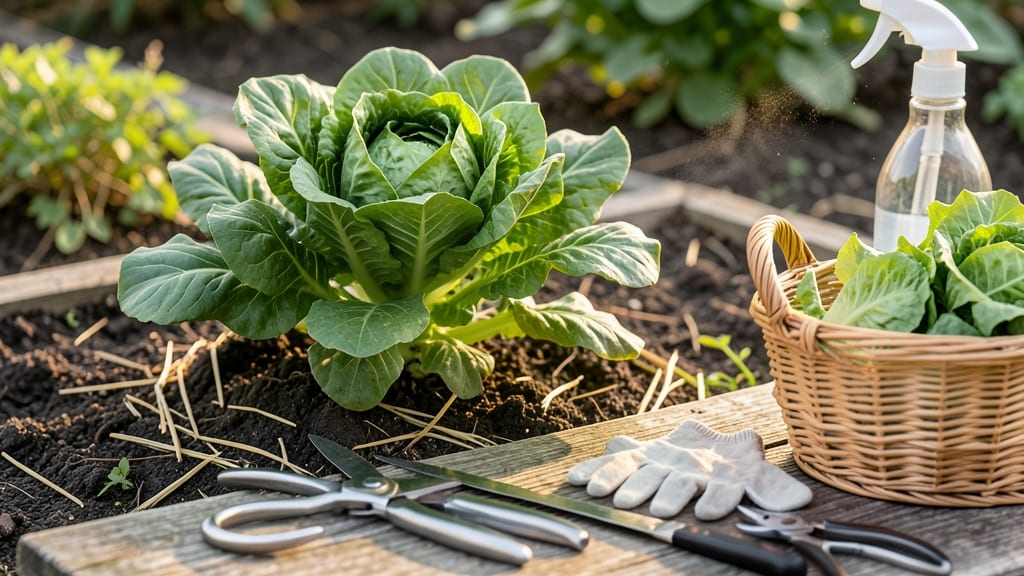
Harvesting lettuce at the right time means the difference between crisp, sweet leaves and bitter, tough disappointment — and I’ve learned that lesson the hard way.
Picture this: you’ve nurtured your 🥬 plants all season, only to pull a leaf that’s tough as shoe leather or tastes like grass. That’s what happens when you wait too long. But timing it right keeps your garden producing fresh greens for weeks, not just days.
You don’t need a green thumb to get this right — just a few simple tricks, like checking leaf size, texture, and color. I’ll walk you through exactly when to harvest, what tools to use, and how to avoid common mistakes that waste your hard work.
By the end, you’ll know how to keep your lettuce thriving, whether you’re growing loose-leaf varieties or tight heads. Ready to turn your garden into a salad bar?
When to harvest lettuce for maximum flavor and texture
Timing your lettuce harvest is everything—wait too long, and you'll end up with bitter, tough leaves. Harvest too early, and you miss out on the sweetest, most tender flavors. The key lies in watching for leaf size, growth stage, and environmental cues that signal peak readiness.
For most varieties, this happens when leaves reach 4-6 inches long and form tight, crisp heads.
Lettuce varieties like romaine and butterhead typically mature in 45-60 days, while loose-leaf types can be harvested as early as 30 days. Pay attention to the color intensity—deep, vibrant hues mean your lettuce is ready.
If you notice the leaves starting to yellow or the center stem elongating, it's a sign the plant is bolting, which happens when temperatures rise above 75°F (24°C).
Spring and fall are the ideal seasons for harvesting lettuce, as cooler temperatures prevent bolting. In Zone 6a, aim to harvest between May-June for spring crops and September-October for fall plantings.
If you're growing in hotter climates, opt for heat-tolerant varieties like Jericho or Black Seeded Simpson, which can handle slightly warmer conditions.
Here’s a quick reference to help you identify the perfect harvest window:
| Variety | Leaf Size | Days to Harvest | Harvest Cues | Best Time |
|---|---|---|---|---|
| Loose-leaf | 3-5 inches | 30-40 days | Outer leaves firm, crisp | Spring/Fall |
| Romaine | 6-8 inches | 50-60 days | Tight head, dark green | Spring/Fall |
| Butterhead | 4-6 inches | 45-55 days | Soft, ruffled leaves | Spring/Fall |
| Heat-tolerant (e.g., Jericho) | 5-7 inches | 50-65 days | Resists bolting | Summer/Fall |
For loose-leaf varieties, you can harvest outer leaves as soon as they reach 3-5 inches, leaving the inner leaves to grow. This method, called cut-and-come-again, extends your harvest by 2-3 weeks per planting.
For head varieties, wait until the entire head is firm and fully colored—cutting too early can leave the center underdeveloped and less flavorful.
Watch for signs of bolting, where the plant sends up a tall flower stalk. This happens when days get longer or temperatures climb above 75°F (24°C).
If you see the center stem elongating, harvest immediately to avoid bitterness. In hot climates, use shade cloth to protect lettuce and prevent premature bolting.
Morning is the best time to harvest lettuce because the leaves are crispest and coolest. Use a sharp knife or clean scissors to cut stems at the base, leaving about 1 inch of stem to encourage regrowth.
For head varieties, grasp the base firmly and twist gently to avoid damaging surrounding plants.
Avoid harvesting after heavy rain or late in the day, as this can make leaves soggy or wilted. Store freshly harvested lettuce in the crisper drawer of your fridge, wrapped in a damp paper towel, to maintain crispness for up to 7-10 days.
If you notice leaves turning yellow or slimy, they’re past their prime.
Pro tip: Succession planting every 2-3 weeks ensures a continuous supply of fresh lettuce. By staggering plantings, you can enjoy harvests from spring through fall without gaps. This works especially well for loose-leaf varieties, which thrive in cooler weather.
Remember, the sooner you harvest, the sweeter and crisper your lettuce will be. Don’t let it linger in the garden—once it’s ready, get it to your kitchen (or salad bowl) within 24 hours for the best flavor and texture. 🥬
Step-by-step lettuce harvesting techniques for different varieties
Harvesting lettuce the right way depends on the variety you're growing. Loose-leaf types like Black Seeded Simpson thrive with repeated cut-and-come-again harvesting, while romaine or butterhead varieties often need whole-head removal. Each method extends your harvest season and keeps your greens crisp and flavorful.
Before you begin, gather your harvesting tools: a sharp pruning shears or clean knife, a basket for storage, and a spray bottle for post-harvest misting. Work during the coolest part of the day—early morning or late afternoon—to preserve freshness and avoid wilting.
How to Harvest Lettuce for Continuous Yield
- 1 Identify your variety: Loose-leaf (harvest leaves individually), romaine (cut whole heads), or butterhead (trim outer leaves).
- 2 Check leaf readiness: Leaves should be 4-6 inches long, crisp, and vibrant in color. For romaine, the head should be tightly closed.
-
3
Use the right technique:
- Loose-leaf: Snip or pinch off outer leaves at the base, leaving the inner growth point intact.
- Romaine/Butterhead: Cut the entire head 1 inch above the soil with a sharp knife.
- 4 Avoid over-harvesting: Never remove more than 1/3 of the plant at once. For loose-leaf, leave at least 2-3 inches of growth to regenerate.
- 5 Store properly: Rinse harvested leaves in cool water, dry thoroughly, and store in a plastic bag with a paper towel to absorb moisture. Keep in the crispest drawer of your fridge.
- 6 Extend the season: For fall harvests, use row covers to protect from light frosts (down to 25°F). Succession plant every 2 weeks for a continuous supply.
For loose-leaf varieties, you can harvest continuously every 2-3 weeks throughout the growing season. This method works best in spring and fall when temperatures stay mild.
If you notice your lettuce bolting (sending up flower stalks), it’s a sign to harvest immediately or enjoy the sweetened flavor before seeds form.
Romaine and butterhead lettuces, however, are best harvested all at once when fully mature. Cut the entire head at the base and leave the root system in the soil.
Surprisingly, some varieties like Little Gem may regrow a small second head if you leave a 1-inch stem intact. This trick works best in cooler weather.
Pro tip: If your lettuce starts to taste bitter, it’s likely due to heat stress or over-maturity. Harvest immediately and shade your plants with floating row covers to protect them from the sun.
With the right techniques, you can enjoy homegrown lettuce for months—no bitter disappointment in sight! 🥬