
How To
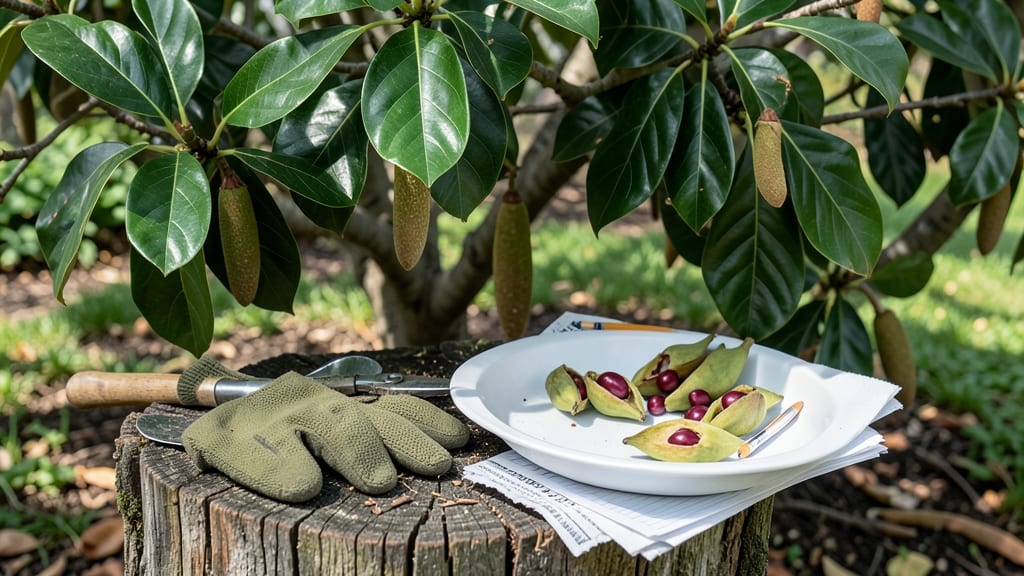
Harvesting magnolia seeds at the right time lets you grow these stunning 🌸 trees from scratch—without buying expensive nursery stock.
Watching magnolia trees bloom is magical, but the real treasure lies in their seeds—if you know exactly when and how to harvest them before they scatter or rot. Timing is everything, and missing the window means losing your chance to propagate these stunning trees.
Most gardeners skip this step because they don’t realize how quickly seeds go from ripe to ruined. A few extra days can turn viable seeds into mush or attract pests, so knowing the signs of readiness is the key to success.
In this guide, I’ll walk you through everything from spotting the perfect moment to collect seeds to storing them properly for germination. You’ll learn how to avoid common mistakes and maximize your chances of growing healthy magnolia saplings.
When to harvest magnolia seeds: identifying the perfect ripeness stage
Harvesting magnolia seeds at the right moment transforms a simple garden task into a rewarding experience. The key lies in observing the follicles—those iconic cone-like seed pods—transition from vibrant green to mature brown.
This change signals the seeds are ready, but timing varies by species and climate. Miss this window, and your seeds may scatter, rot, or lose viability.
For most magnolia varieties like the Southern magnolia (Magnolia grandiflora), seed pods typically ripen between late October and November in USDA zones 7-10. Meanwhile, star magnolias (Magnolia stellata) often mature slightly earlier, around mid-October. Understanding these differences ensures you don’t harvest too early or too late.
| Magnolia Species | Ripeness Signs | Harvest Window | Seed Color |
|---|---|---|---|
| Southern Magnolia | Follicles turn uniformly brown and split open | Late October-November | Dark brown/black |
| Star Magnolia | Follicles dry and crack naturally | Mid-October | Dark brown |
| Saucer Magnolia | Follicles open easily with gentle touch | Late September-October | Black |
| Sweet Bay Magnolia | Follicles turn papery brown | November-December | Dark brown |
Look for follicles that have turned completely brown and feel dry to the touch. A ripe follicle will open naturally, revealing seeds that are dark brown or black and free from any green tissue.
If you press gently on a pod and it splits open, that’s your cue—seeds are ready for collection. Ignore pods that are still green or partially green, as they won’t yield viable seeds.
Climate plays a crucial role in ripening timing. In cooler northern regions, pods may take longer to mature, while warmer southern climates often see earlier ripening.
For example, a Southern magnolia in Zone 8 might be ready by early November, while the same tree in Zone 6 could wait until December. Always monitor your local weather patterns.
One common mistake is harvesting seeds too early. Underripe seeds are light-colored and often fail to germinate. Conversely, waiting too long risks seed loss to pests or weather.
If you notice squirrels or birds feasting on your magnolia pods, it’s a sign the seeds are ripe—and they’re already collecting them for you!
Pay attention to the seed coating, which should be sticky when fresh. This coating helps seeds adhere to the follicle but also attracts pests. If the coating feels dry or crumbly, the seeds may have lost viability.
Collect seeds on a dry, sunny day to minimize moisture-related issues and ensure optimal storage conditions later.
For Southern magnolias, focus on pods that have split open along their seams. These seeds are typically the most viable. In contrast, star magnolias often produce smaller, rounder seeds that may not crack the follicle as dramatically.
Always handle these delicate seeds with care to avoid damaging their protective outer layer.
Once you’ve identified ripe pods, act quickly. Use a pruning shear or clean knife to carefully cut open the follicles and extract the seeds. Place them in a paper bag or breathable mesh bag to allow airflow while preventing moisture buildup.
Store the seeds in a cool, dry place for 1-2 weeks to complete drying before long-term storage.
Pro tip: Label your seed collection with the date and magnolia species. This helps track ripening patterns year over year and ensures you can replicate success in future harvests.
With practice, you’ll develop an eye for the perfect moment—when those iconic magnolia pods crack open naturally, revealing the promise of new trees.
Step-by-step process for collecting seeds without losing them to pests or weather
Once your magnolia follicles turn brown and crack open naturally, you’ve got a 30-minute window to collect seeds before they scatter or attract pests. The key is speed and precision—here’s how to do it without losing a single seed to rain, critters, or rot.
I’ve learned the hard way that skipping even one step can mean wasted effort!
Start by gathering your tools and supplies before heading outdoors. You’ll need thin gardening gloves (to protect from sticky sap), a clean tray or bucket, paper towels or newspaper, and breathable paper bags (not plastic!). Avoid moisture at all costs—humidity is the enemy of seed viability.
How to Harvest Magnolia Seeds Safely
- 1 Gently collect cracked follicles from the tree using pruning shears or gloves. Place them in your tray immediately to prevent seeds from scattering.
- 2 Open follicles indoors by placing them on paper towels in a dry, shaded spot. Use a wooden spoon to carefully pry open stubborn pods—never use metal tools, as they can damage the seeds.
- 3 Remove seeds from follicles using your fingers or a soft paintbrush. Magnolia seeds often have a sticky coating—rinse them gently in lukewarm water if needed, but avoid soaking.
- 4 Spread seeds on paper towels in a single layer to dry for 3–5 days in a cool, dry place. Avoid direct sunlight, which can overheat and kill seeds.
- 5 Store dried seeds in breathable paper bags labeled with the harvest date. Keep them in a cool, dark place (like a seed fridge) for up to 6 months—viability drops sharply after that.
If you’re harvesting in rainy weather, work under a covered porch or tarp to keep seeds dry. I once lost an entire batch because I rushed back inside during a downpour—now I always have a backup plan!
Once seeds are dry, test a few for germination by planting them in moist potting mix to confirm viability.
Pro tip: Label your seed bags with the magnolia species and harvest date. Southern magnolias (Magnolia grandiflora) and star magnolias (Magnolia stellata) have different germination rates, so tracking this info saves future headaches.
Store seeds in airtight containers with silica gel packets if you’re not planting them within 3 months.
Finally, avoid plastic storage—condensation inside plastic bags can cause mold and rot. I’ve seen gardeners swear by glass jars with breathable lids as a happy medium between air circulation and pest protection. With these steps, you’ll maximize your seed yield and give your magnolia seedlings the best start possible!