
How To
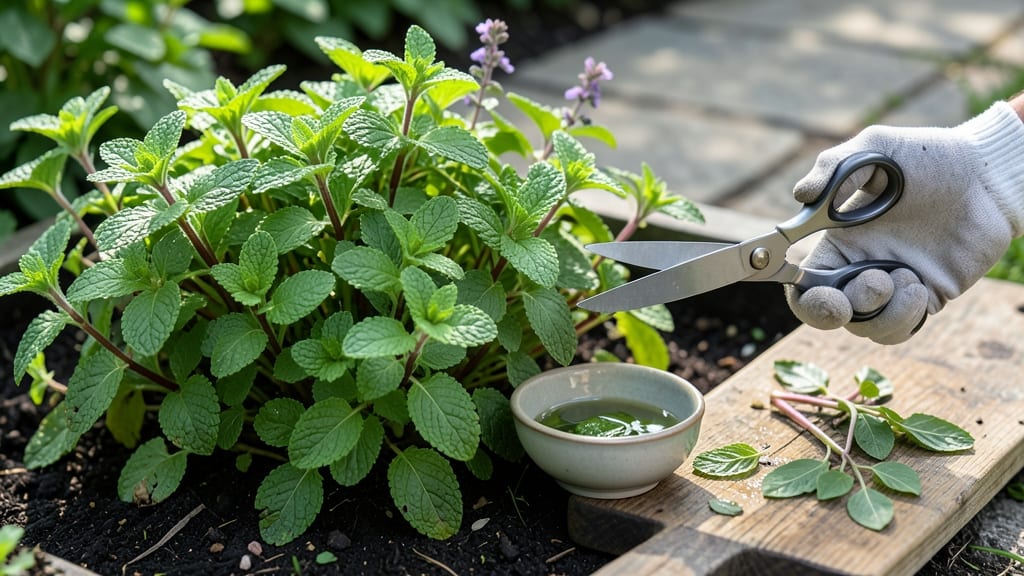
Harvesting mint leaves for tea is all about timing and technique—trim the right stems at the right moment, and you’ll unlock a burst of fresh, bright flavor that turns every cup into a little spa moment.
Picture this: you’ve spent weeks nurturing your 🌿 mint patch, and now you’re ready to reap the rewards. But if you snip too early or too late, you’ll end up with bitter, woody leaves instead of the tender, aromatic ones perfect for steeping.
The secret? Knowing when to cut—and how to do it without sacrificing future growth.
Most gardeners wait until the plant is at least 4-6 inches tall and has developed a few sets of leaves, but there’s more to it than just height. Morning harvests yield the strongest flavor, and avoiding the flowering stage keeps the oils vibrant.
Below, I’ll walk you through the exact steps—from pruning like a pro to storing your harvest so the flavor stays fresh for weeks.
Ready to turn your mint into the star of your tea routine? You’ll learn when to cut for peak potency, how to encourage bushier regrowth, and even a few bonus tea-blending tips to make your brew stand out. Let’s get started!
Best time of year and day to harvest mint for optimal tea flavor
Timing your mint harvest is the secret to unlocking the brightest, most aromatic flavor for your tea. Mint plants produce peak essential oils during specific seasons and times of day, which directly impacts how your tea tastes.
Harvesting at the wrong time can leave you with mild, woody, or bitter leaves instead of the crisp, refreshing flavor you crave.
For the best tea flavor, focus on harvesting mint during its active growing season—typically from late spring through early fall. This period aligns with the plant's natural energy peak, when it's producing the most aromatic compounds.
Avoid harvesting after the first frost, as cold temperatures cause the plant to shut down and lose its potency.
Mint's flavor intensity also shifts throughout the day. The earliest morning hours (just after dew evaporates) are prime time because the plant's essential oils are most concentrated after a night of photosynthesis.
Harvesting in the evening can yield leaves that taste duller and less vibrant due to heat stress and water loss.
Here's a quick reference to help you plan your harvest schedule for maximum flavor:
| Timing Factor | Best Conditions | Flavor Impact |
|---|---|---|
| Season | Late spring to early fall (June-September) | Peak essential oil production |
| Daytime | Morning (6-9 AM) | Most concentrated oils |
| Weather | Clear, dry days | Avoids diluted flavors from rain |
| Plant Stage | Before flowering begins | Prevents bitter, woody taste |
| Temperature | 55-75°F (13-24°C) | Optimal oil production range |
The late spring harvest (May-June) is particularly special because mint plants are just hitting their stride after winter dormancy. The leaves are tender, and the minty aroma is at its strongest. This is when you'll get the most lemony, fresh notes in your tea.
If you're growing multiple varieties like peppermint or spearmint, they'll each have their own peak harvest windows—peppermint often peaks slightly earlier than spearmint.
Weather plays a crucial role too. Harvest on clear, dry days when the leaves are fully dry from dew but haven't had time to wilt in the heat. After rainfall, mint leaves can become waterlogged and bland, diluting their flavor.
If you must harvest after rain, wait until the leaves are completely dry to ensure the best taste in your tea.
One common mistake is harvesting mint too late in the season. As summer transitions to fall, mint plants begin to produce flowers and woody stems. These parts contain bitter compounds that ruin the delicate flavor profile of tea.
Always harvest before flowering—typically 4-6 weeks before the first frost—to maintain that bright, refreshing mint taste.
Pro tip: If you're growing mint in containers, you can extend your harvest season by bringing potted plants indoors before the first frost. Place them near a bright, indirect light source (like an east-facing window) and continue harvesting until the plant shows signs of dormancy.
This indoor extension can give you 2-3 extra months of fresh mint for tea.
For gardeners in warmer climates (USDA zones 8-10), mint can often be harvested year-round. However, even in these regions, flavor peaks during the cooler months of spring and fall, when temperatures stay between 60-75°F (15-24°C).
The intense heat of summer can cause mint to become less aromatic and more pungent.
Remember, the goal is to harvest mint when it's at its flavor peak. By following these seasonal and daily guidelines, you'll ensure every cup of tea you brew is packed with that bright, crisp minty goodness you love. Happy harvesting! 🌿
Step-by-step mint leaf harvesting techniques for tea brewing
Harvesting mint leaves at the right time and with the proper technique ensures your tea brews pack the brightest flavor and strongest aroma. The key lies in selecting the right leaves and using the correct tools to avoid damaging your plant.
Whether you're using hand-snipping or pruning shears, timing and method matter just as much as storage to preserve that fresh, vibrant taste.
For the best tea, focus on harvesting young, tender leaves from the top third of the plant. These leaves are packed with essential oils that give mint its signature punch. Avoid cutting into old, woody stems, as they’ll compromise both flavor and regrowth.
If you’re harvesting for long-term storage, timing is everything—morning is ideal when dew has evaporated but the sun hasn’t yet stressed the plant.
How to Harvest Mint Leaves for Tea
- Step 1: Choose the right time—harvest in the early morning (6-9 AM) when essential oils are most concentrated.
- Step 2: Select young, vibrant leaves from the top 3-4 inches of stems, avoiding flowers or woody growth.
- Step 3: Use clean scissors or shears (not fingers) to snip stems at a 45-degree angle just above a leaf node.
- Step 4: Harvest no more than one-third of the plant at a time to encourage regrowth and prevent stress.
- Step 5: Rinse leaves gently with cold water to remove dirt, then pat dry with a clean towel.
- Step 6: Store immediately—either refrigerate in an airtight container (up to 1 week) or air-dry for long-term use.
One common mistake is harvesting overly mature leaves, which can make your tea taste bitter. Always prioritize the topmost leaves and avoid cutting into the main stem, as this can stunt growth.
If you’re using pruning shears, sterilize them with rubbing alcohol between cuts to prevent disease spread. For container-grown mint, trim stems just above a set of leaves to encourage bushier, more productive growth.
After harvesting, store your mint properly to lock in flavor. For short-term use, wrap leaves in a damp paper towel and refrigerate. For long-term storage, tie stems into small bundles and hang them in a dark, dry place for 1-2 weeks until crisp.
Once dried, store in an airtight jar away from light. Proper storage ensures your tea stays potent and aromatic for months.
Remember, regular pruning (every 4-6 weeks) keeps your mint plant lush and productive. Avoid harvesting during hot afternoons, as this can cause the leaves to wilt and lose flavor. With these techniques, you’ll always have a steady supply of high-quality mint leaves for your next cup of tea. ☀️
Pro tip: If your mint starts flowering, pinch off the buds immediately—they signal the plant to shift energy from leaf production to seed-making, dulling the flavor. Keep your mint happy, and it’ll reward you with bold, refreshing tea all season long! ✂️