
How To
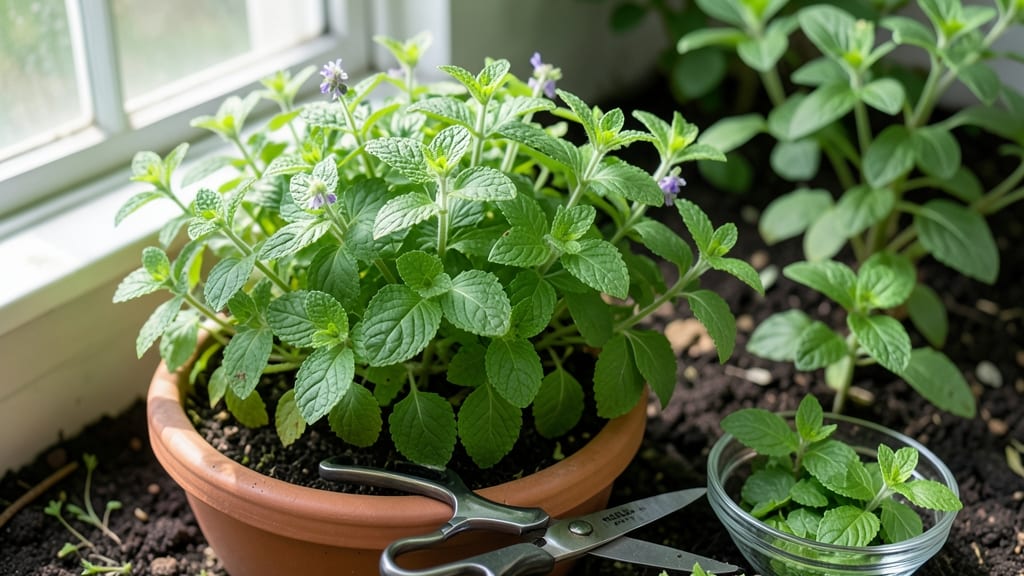
Harvesting mint leaves the right way ensures you get fresh, flavorful stems without killing the plant—here’s how to do it so your 🌿 thrives all season.
Mint is one of the fastest-growing herbs in your garden—but harvesting it wrong can stunt its growth or even kill the plant. With the right techniques, you can enjoy fresh mint year-round while keeping your plant thriving.
Timing matters: the best time to harvest is in the morning after the dew has dried, when the oils in the leaves are at their peak. Snip stems just above a leaf node (about 1/3 of the way down from the top) to encourage bushier regrowth.
Below, I’ll walk you through the exact steps—plus common mistakes to avoid—so you can keep your mint lush, productive, and ready for your next recipe.
The best time and method to harvest mint without damaging growth
Harvesting mint at the right time and with the right technique ensures your plant stays healthy and productive for months. Unlike many herbs, mint grows aggressively, but improper cutting can weaken stems or even kill the plant by removing too much foliage at once.
The key is precision trimming—cutting just above leaf nodes while preserving the plant's energy.
Timing matters too. Morning harvests are ideal because the oils in mint leaves are most concentrated after a cool night. Avoid harvesting in the late afternoon when heat stress can make cuts heal slower. Even better, harvest on a cloudy day to reduce evaporation and stress on the plant.
Now, let’s dive into the exact steps to harvest mint without harming your plant’s growth. Follow these guidelines to maintain a bushy, thriving mint plant that keeps producing fresh leaves all season.
Step-by-Step Guide to Harvesting Mint Properly
- Step 1: Choose the right stems—select healthy, upright stems with at least 4-6 leaves. Avoid cutting stems that are too thin or leggy, as they won’t regrow well.
- Step 2: Use clean, sharp scissors—dull tools crush stems, slowing recovery. Cut just above a leaf node (the point where leaves grow from the stem). This encourages new side shoots to form.
- Step 3: Never cut more than 1/3 of the plant at once. Mint recovers quickly, but removing too much foliage stresses the roots. Space harvests 2-3 weeks apart for optimal regrowth.
- Step 4: Avoid the base—never cut the bottom 2-3 inches of the stem. This area holds the plant’s energy reserves. Always leave at least 6 inches of stem to support regrowth.
- Step 5: Harvest before flowering—mint loses flavor and becomes woody when it blooms. Pinch off flower buds early to redirect the plant’s energy into leaf production.
After harvesting, rinse the leaves gently under cool water to remove dirt, then pat them dry with a clean towel. Store them in the fridge for up to 2 weeks or dry them for long-term use.
If your mint plant starts looking sparse or leggy, it’s a sign you’re over-harvesting—cut back on frequency and focus on healthier stems.
Pro tip: If your mint plant bolts (sends up flower stalks), don’t panic. Simply cut the flower stalk at the base and redirect energy back to leaf growth. With the right care, your mint will bounce back stronger than ever.
Consistent, mindful harvesting keeps your mint plant lush and productive for years. The more you follow these steps, the more your plant will reward you with abundant, flavorful leaves all season long.
🌿
How often to harvest mint and what to avoid for long-term plant health
Harvesting mint too frequently or incorrectly can leave your plant looking stunted and weak. Most gardeners aim for a weekly harvest during peak growing months (June–August), but this depends on your plant's size and health.
A mature mint plant can handle 2-3 harvests per week if you're gentle with the cuts and leave enough foliage for regrowth.
If your mint is still young (3-6 months old), limit harvesting to once every 2 weeks to avoid stressing the roots. Over-harvesting forces the plant to divert energy from growth to recovery, leading to leggy stems and small leaves.
Always prioritize leaving at least 1/3 of the plant unharvested to maintain its vigor.
⚠️ callout warning ⚠️
Never trim mint stems below the second set of leaves—this removes the plant's energy source and can kill it. Always cut just above a leaf node (where leaves meet the stem) to encourage new growth from that point. Over-trimming here leads to bare stems and reduced harvests for months.
🌱 Fix: Prune back any over-cut stems immediately and fertilize lightly to boost recovery.
Signs your mint plant is stressed from over-harvesting include yellowing leaves, stunted growth, or flowering too early. Mint flowers signal the plant is shifting energy from leaf production to seed-making, which weakens flavor and harvest potential.
If you spot buds, pinch them off immediately to redirect the plant’s focus back to foliage growth.
To recover an over-harvested mint plant, start by reducing harvest frequency to every 3-4 weeks and increase watering slightly to support regrowth. A light application of balanced fertilizer (5-10-5) can also help revive weak stems.
For severely damaged plants, propagate cuttings in water or soil to grow new, healthier plants while the original recovers.
For long-term health, avoid harvesting during extreme heat (above 90°F) or cold snaps (below 50°F), as these stress the plant. Instead, focus on morning harvests when leaves are hydrated and flavors are most potent. This simple habit keeps your mint productive and resilient all season.
With the right balance, your mint plant can thrive for years, producing lush harvests with minimal effort. The key is patience—never take more than the plant can give back, and it will reward you with abundant, flavorful leaves all summer long. 🌿