
Flowers
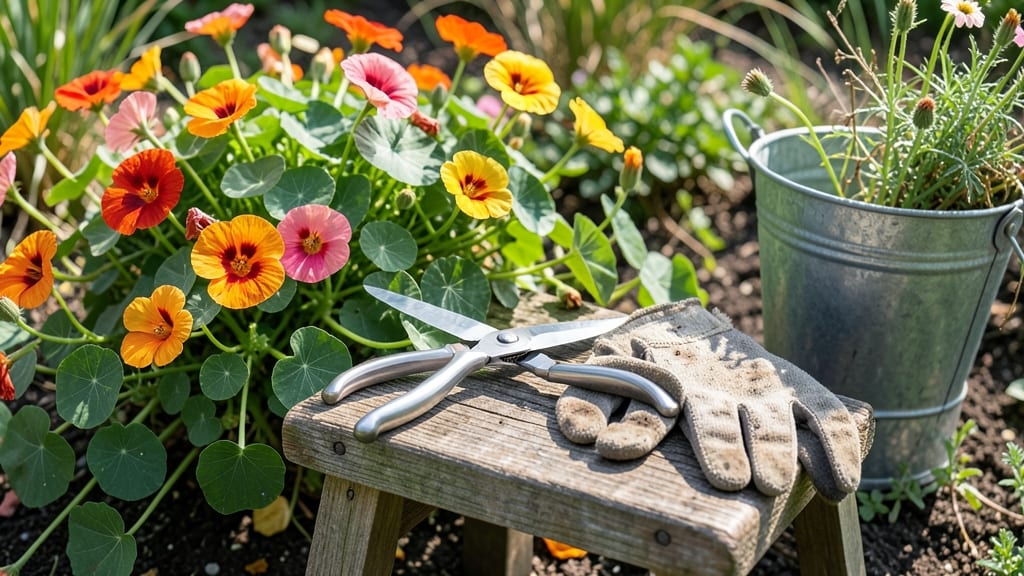
To harvest nasturtium flowers at their peak flavor and beauty 🌸, pick them when fully open but before they wilt—this ensures the best taste and encourages more blooms.
Nasturtiums aren’t just beautiful—they’re edible, packed with peppery flavor, and their vibrant blooms can elevate any dish or garden. But timing your harvest wrong means missing out on peak flavor and abundance.
Whether you’re saving flowers for salads, drying them for crafts, or collecting seeds for next year, knowing the right moment makes all the difference. Below, I’ll walk you through the perfect timing, tools, and techniques to keep your nasturtiums thriving.
You’ll learn how to harvest without damaging the plant, when to pick seed pods for propagation, and simple ways to preserve your blooms for months to come.
When to harvest nasturtium flowers for maximum flavor and edibility
Harvesting nasturtium flowers at the perfect stage ensures the best peppery flavor and vibrant color for culinary or decorative use. The key is patience—wait until blooms are fully open but still crisp, not wilted.
This balance maximizes both taste and edibility, as overripe flowers can become bitter or lose their delicate texture.
Nasturtiums offer more than just flowers—seed pods and leaves are also edible, but each part has its own ideal harvest window. Flowers are best picked in the morning when moisture levels are lowest, preserving their freshness longer. Understanding these nuances transforms your garden into a flavorful harvest hub.
Climate plays a surprising role in harvest timing. In hotter regions, nasturtiums may bloom faster and require more frequent harvesting to prevent wilting. Conversely, cooler climates extend the harvest window, allowing you to enjoy edible blooms for weeks longer.
Always check the stem firmness and petal crispness—these are your best indicators.
Not all parts of the nasturtium plant are edible, so knowing what to harvest is crucial. The petals, buds, and young leaves are safe for consumption, while mature seed pods should be harvested separately for propagation.
The calyxes (the green, leafy part behind the petals) are also edible and add a spicier kick to dishes.
Timing your harvest isn’t just about flavor—it’s also about encouraging more blooms. When you pick flowers at the right stage, you stimulate the plant to produce new buds, resulting in a continuous harvest throughout the growing season.
This pruning effect works especially well in warm climates, where nasturtiums thrive with regular attention.
In cooler climates, nasturtiums may bloom more slowly, so patience is key. Monitor your plants daily, especially in late summer, when heat can cause flowers to open and wilt faster.
Harvesting in the early morning minimizes stress on the plant and keeps your blooms fresh longer, whether you’re using them in salads or drying them for later use.
Did you know that nasturtium flowers are rich in vitamin C and antioxidants? Harvesting them at peak ripeness ensures you’re getting the maximum nutritional benefits. The younger leaves and tender buds are also packed with nutrients, making them a fantastic addition to any garden-foraging menu.
Just remember to avoid harvesting from plants treated with pesticides if you plan to eat them.
If you’re growing nasturtiums for propagation, focus on harvesting seed pods when they turn brown and papery. This usually happens 4-6 weeks after flowering, depending on your climate. Collect pods in a dry, shaded area, then store them in a paper bag until fully dry to prevent mold.
Properly stored seeds can remain viable for up to 3 years, giving you a head start on next season’s garden.
One common mistake is harvesting overripe flowers, which can make your dishes taste bitter. Always check for wilting petals or discolored centers—these are clear signs it’s time to let the flower go.
By mastering the art of timing, you’ll enjoy a steady supply of fresh, flavorful nasturtiums all season long.
For best results, harvest nasturtium flowers every 2-3 days during peak bloom. This frequent harvesting not only keeps your plants looking neat but also encourages a longer flowering period.
Whether you’re using them in gourmet dishes or simply admiring their beauty, proper timing is the secret to a successful nasturtium harvest.
Step-by-step guide to harvesting nasturtium flowers without damaging the plant
Harvesting nasturtium flowers at the right time ensures peak flavor and encourages your plant to produce even more blooms. The key is to pick them when fully open but before they wilt—this preserves their peppery taste and keeps your plant healthy.
I’ve learned that harvesting in the morning is ideal because the flowers are crisp and hydrated, making them easier to handle and store.
Before you begin, gather the right harvesting tools. A pair of clean, sharp pruning shears or even your fingers work well, but avoid heavy scissors that can crush stems.
I always use a small bowl or basket to collect the flowers, so they don’t get damaged or lost in the grass. Never harvest more than one-third of the blooms at once, or you’ll stress the plant and reduce future production.
- 🌞 Choose the right time: Harvest in the early morning (6-9 AM) when flowers are fully open and dew has dried. Avoid evening harvests, as humidity can cause rot.
- 🌸 Identify mature blooms: Look for flowers with fully unfurled petals and a firm stem. Skip buds that are still closed or flowers showing signs of wilting.
- ✂️ Use the right technique: Hold the stem just below the flower and give a gentle twist or snip with clean shears. Leave 1-2 leaves on the stem to support regrowth.
- 🌱 Encourage regrowth: After harvesting, water the plant at the base to reduce stress. Avoid fertilizing immediately, as new growth needs time to establish.
- 🌧️ Post-harvest care: Store flowers in a paper towel-lined container in the fridge for up to 3-5 days. For longer storage, dry them upside down in a cool, dark place for 1-2 weeks.
When harvesting, always prioritize the outermost flowers first. These are the oldest and have already served their purpose in pollination. By doing this, you encourage the plant to focus its energy on producing new blooms from the center.
I’ve noticed that my nasturtiums rebound quickly if I follow this rule—sometimes even producing a second flush of flowers within a few weeks.
If you’re harvesting for culinary use, like adding to salads or garnishes, focus on the youngest, most vibrant blooms. Older flowers can become bitter, and their petals may turn rubbery.
For seed pods, wait until they turn brown and papery before harvesting. These are perfect for saving seeds or scattering in your garden for next season’s growth.
One common mistake I see is harvesting nasturtiums when they’re partially wilted or in the afternoon. This can lead to a loss of flavor and even attract pests. Always check the stem firmness—if it feels soft or mushy, the flower is past its prime.
By sticking to these guidelines, you’ll enjoy a continuous harvest all season long.
Finally, remember that nasturtiums are self-seeding plants, so they’ll often bounce back even if you harvest aggressively. Just be mindful of your plant’s overall health—if it looks stressed, take a break from harvesting for a week or two.
With the right care, your nasturtiums will reward you with abundant blooms and a delicious peppery harvest all summer long. 🌿