
How To
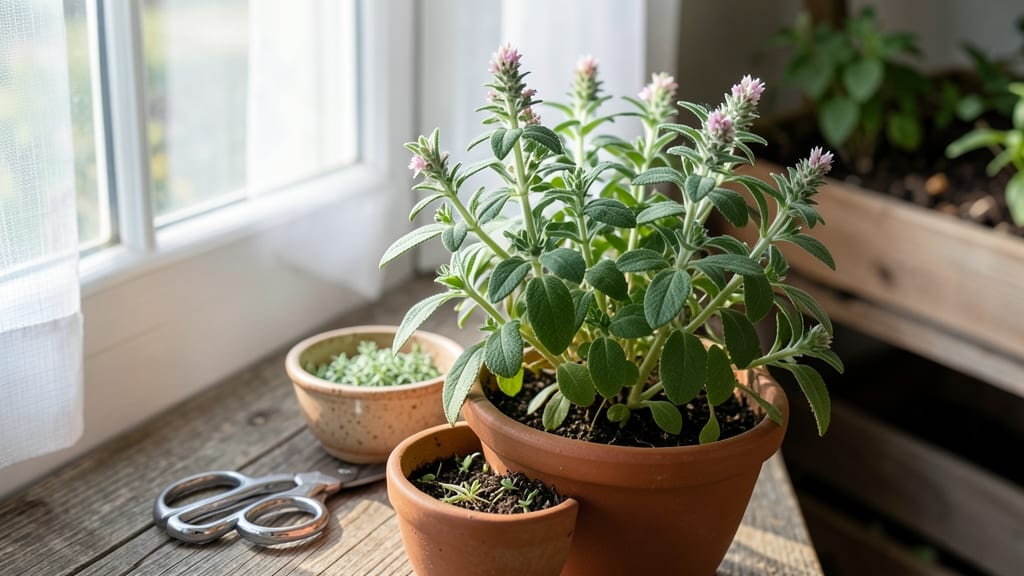
Harvesting oregano the right way so it keeps growing keeps your 🌿 plant thriving instead of stunted, and the key is timing and technique—most gardeners get this wrong.
Picture this: You snip a few sprigs, expecting more growth, but your oregano just looks sad and leggy. That’s because harvesting too much or at the wrong time stresses the plant instead of encouraging it.
The trick is to prune strategically, leaving enough foliage to fuel regrowth while shaping the plant for a bushier, more productive harvest.
In this guide, you’ll learn the prune-and-grow cycle that turns your oregano from sparse to lush year-round, including the best months to harvest, how to cut stems without harming the plant, and what to do after harvesting to keep it flourishing.
Whether you’re growing oregano in pots or beds, these seasonal tips will ensure your plant stays healthy, flavorful, and ready for continuous harvests—no wilting or slow growth in sight.
The perfect oregano harvesting timeline for continuous growth
If you've ever harvested oregano only to watch it grow sparse and leggy afterward, you're not alone. The key to a thriving oregano plant lies in timing your harvests with its natural growth cycles.
By following a seasonal schedule, you'll encourage bushier foliage, stronger stems, and a year-round supply of flavorful leaves. Let's break down the ideal harvest windows for spring, summer, and fall to keep your oregano lush and productive.
Oregano is a perennial herb that grows best when you prune it regularly but never more than one-third of its total growth at once. This rule applies year-round, but the timing changes based on weather conditions and the plant's maturity.
In warmer climates, you can harvest oregano almost year-round, while colder regions should focus on spring through early fall.
Here’s how to identify the perfect harvest window: Look for dark green leaves that are at least 2-3 inches long and have a strong aroma when crushed. Avoid harvesting when the plant is flowering, as this reduces flavor and can weaken growth.
The best time to harvest is in the morning after dew has dried but before the heat of the day.
- 1
- 2
- 3
- 4
Weather plays a critical role in your harvesting schedule. After a heavy rain, wait 24–48 hours before harvesting to let the plant dry out and avoid fungal issues. Similarly, if a heatwave is forecasted, harvest in the early morning to preserve flavor and prevent wilting.
Humidity also affects oregano—high humidity can lead to mold or mildew, so harvest on dry, sunny days whenever possible.
To keep your oregano thriving between harvests, always cut just above a leaf node (the point where leaves grow). This encourages the plant to branch out rather than grow tall and leggy.
If you accidentally cut too close to the base, don’t worry—oregano is resilient and will recover with proper care. Just avoid harvesting the same stems repeatedly in the same season.
One common mistake is harvesting too much at once, which can shock the plant. Stick to the one-third rule and space out your harvests. For example, if your oregano is 12 inches tall, harvest no more than 4 inches of growth in a single session.
This approach ensures the plant has enough energy to regrow quickly and stay healthy.
After harvesting, rinse the leaves gently with cool water and pat them dry with a paper towel. Store them in an airtight container in the fridge for up to 2 weeks, or dry them in a dark, well-ventilated space for long-term storage.
Proper post-harvest care not only preserves flavor but also signals to the plant that it’s time to focus on regrowth.
By following this seasonal timeline, your oregano will stay bushy, aromatic, and productive for years. The key is consistency and moderation—never let your plant go completely bare, and always prioritize healthy regrowth over short-term harvests.
With these tips, you’ll enjoy a never-ending supply of fresh oregano for cooking and seasoning.
🌿
Step-by-step pruning techniques to encourage bushier oregano
Pruning oregano isn’t just about harvesting—it’s about stimulating new growth while keeping your plant compact and lush. The key is using the 1/3 rule: never remove more than one-third of the plant at once.
This ensures your oregano has enough energy to bounce back with vigorous regrowth, not leggy stems. Think of pruning as a conversation with your plant: you take, but you always give back by encouraging bushiness.
Timing matters too. Early morning harvests prevent wilting, and cutting just above a leaf node (where leaves meet the stem) signals the plant to branch out. Avoid harvesting when flowers appear—they sap energy from leaf production.
Instead, snip them off to redirect the plant’s focus back to flavorful foliage. With the right technique, your oregano will reward you with year-round abundance.
How to Harvest Oregano So It Keeps Growing
- Step 1: Wait for maturity Harvest only when stems are 6-12 inches tall and leaves are dark green. Younger plants need time to establish roots before heavy pruning.
- Step 2: Use clean, sharp tools Disinfect pruning shears or scissors with rubbing alcohol to prevent disease. Dull blades crush stems, inviting pests.
- Step 3: Apply the 1/3 rule Cut back only 1/3 of the plant at a time. For example, if your oregano is 12 inches tall, trim 4 inches max per session.
- Step 4: Cut above leaf nodes Make diagonal cuts just above a set of leaves (not bare stems). This encourages new shoots to grow from the node below.
- Step 5: Shape for sunlight access Thin out crowded stems to improve air circulation and sunlight. Focus on inner growth where leaves compete for light.
- Step 6: Harvest flowers first If buds appear, snip them off immediately. Flowering diverts energy away from leaf production, reducing your harvest yield.
- Step 7: Post-harvest care Water deeply after pruning and fertilize lightly with a balanced 10-10-10 mix. Avoid heavy feeding—oregano thrives on moderation.
🌿 Pro Tip: Rotate harvest sites to prevent soil depletion and encourage even growth.
Your pruning tools are just as important as technique. Skip kitchen scissors—they crush stems and spread bacteria. Instead, invest in bypass pruners (for thick stems) or clean scissors (for finer trimming).
Sterilize tools between plants to avoid cross-contamination. For container-grown oregano, use small, sharp snips to navigate tight spaces without damaging surrounding foliage.
Safety first! Always wear gardening gloves to protect your hands from sap and potential irritants. Oregano’s oils can cause skin sensitivity in some people, so avoid touching your face while working.
If you’re harvesting for culinary use, wash leaves thoroughly under cool water to remove dirt and debris. Never harvest after rain—wet leaves harbor mold and mildew, which can infect your plant.
Watch for new growth signals like fresh green shoots within 2–3 weeks of pruning. This confirms your technique worked! If growth stalls, check for overcrowding or nutrient deficiency. In containers, repot every 2–3 years to refresh soil.
For in-ground plants, mulch annually to retain moisture and suppress weeds competing for nutrients. With consistent care, your oregano will stay bushy and productive for years.
Remember, patience is key. Oregano is a perennial, meaning it’ll come back stronger each year if you follow these steps. Start small—harvest lightly at first—to let the plant adapt.
Over time, you’ll develop a rhythm: trim, grow, repeat. Soon, your kitchen garden will be the envy of neighbors, overflowing with fragrant, homegrown oregano.