
How To
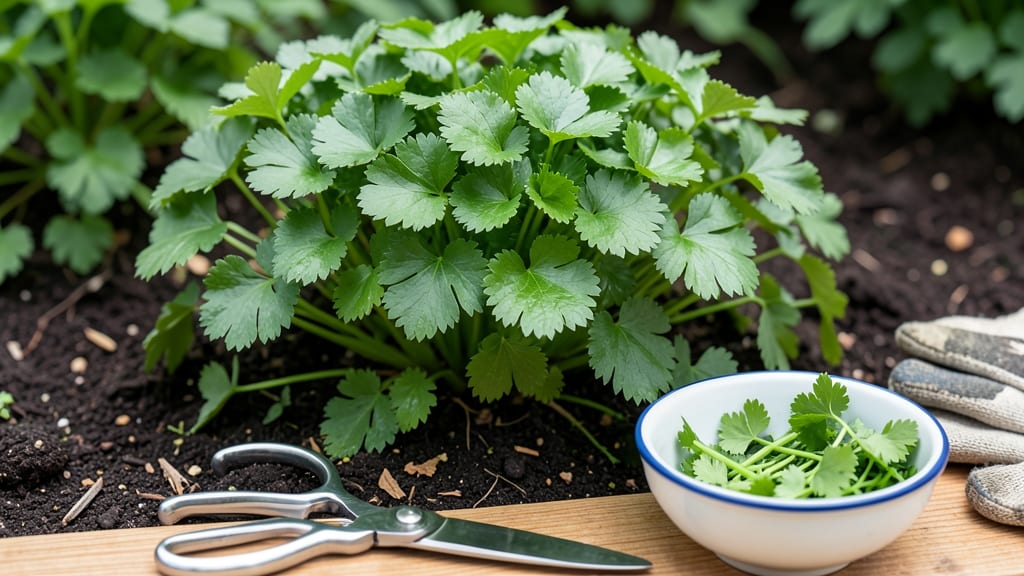
To harvest parsley at its peak flavor and encourage regrowth, wait until the leaves reach 6 inches—that’s when they’re boldest and the plant can bounce back strongest.
Fresh parsley isn’t just a garnish—it’s a flavor powerhouse, and knowing when and how to harvest it ensures your plants keep producing lush, vibrant leaves all season long. Skip the guesswork with the right timing and techniques.
You’ll learn the best tools for clean cuts, how to trim stems without stunting growth, and when to avoid harvesting to keep your 🌿 parsley thriving in USDA Zone 6a or beyond.
From storing your harvest to maximizing future yields, this guide covers everything you need to keep your parsley productive—no wasted leaves or wilted stems in sight.
When to harvest parsley for maximum flavor and plant health
Timing your parsley harvest correctly is the secret to keeping your plants productive and flavorful. Unlike some herbs that can be harvested anytime, parsley thrives when you follow a few key rules.
The most critical factor is leaf size—wait until the outer leaves reach 4 to 6 inches in length before cutting. This ensures the plant has stored enough energy to regrow, while also delivering the brightest flavor.
Harvesting too early can stunt growth, while waiting too long risks woody stems and bitter leaves. Seasonal timing also plays a role: spring parsley typically matures faster (around 60-90 days), while fall varieties may take slightly longer (up to 100 days).
Understanding these windows helps you plan your kitchen garden for continuous harvests throughout the growing season.
- 1 Wait for 4-6 inch leaves: Harvest when outer leaves reach this size for optimal flavor and regrowth.
- 2 Check leaf color: Dark green and glossy leaves indicate peak maturity—avoid harvesting pale or yellowing leaves.
- 3 Avoid woody stems: If stems feel hard or woody, the plant is past its prime—harvest earlier next time.
- 4 Harvest outer leaves first: This encourages bushier growth and prevents shocking the plant's center.
- 5 Seasonal timing matters: Spring parsley (60-90 days) matures faster than fall varieties (up to 100 days).
One of the biggest mistakes gardeners make is harvesting too much at once. While parsley can handle multiple harvests, removing more than one-third of the plant in a single session stresses the roots and slows regrowth.
Instead, aim to harvest outer leaves only, leaving the inner leaves intact to continue photosynthesizing. This method keeps your parsley bushy and productive for months.
Seasonal changes also affect harvest timing. In hot summer months, parsley may bolt (send up flower stems) if stressed, so harvest more aggressively to prevent this. Conversely, in cooler weather, you can harvest less frequently since growth slows naturally.
Always check the stem firmness—if it feels soft or breaks easily, the plant isn't ready yet.
Over-harvesting shows up in telltale signs: yellowing leaves, stunted growth, or a sudden drop in leaf production. If you notice these, scale back your harvests and focus on watering and fertilizing to help the plant recover.
A well-cared-for parsley plant can produce leaves for up to two years if given proper attention.
For continuous harvests, space your cuts every 2-3 weeks during the growing season. This rhythm keeps the plant in a steady growth cycle, ensuring you always have fresh parsley on hand.
Just remember: the goal is sustainability, not maximum yield in a single harvest. Your parsley will thank you with vibrant, flavorful leaves all season long.
If you're growing parsley in containers, the same rules apply, but be extra mindful of root space. Overcrowded roots can't support heavy harvests, so limit container parsley to smaller, more frequent cuts. Always use clean, sharp scissors or pruners to avoid damaging stems, which can lead to disease.
Pro tip: The morning hours are ideal for harvesting parsley. The leaves contain the highest concentration of essential oils (and thus flavor) after a night's rest. Plus, harvesting in the morning gives the plant time to recover before the heat of the day sets in.
Balancing harvests with plant health is all about observation. Pay attention to your parsley's growth rate, leaf color, and stem condition, and adjust your harvesting schedule accordingly. With the right approach, you'll enjoy a bountiful, long-lasting parsley harvest that rivals store-bought—and tastes far superior.
Step-by-step parsley harvesting techniques for different growth stages
Harvesting parsley at the right time and with the right method ensures you get the most flavorful leaves while keeping your plant healthy and productive. Unlike some herbs, parsley thrives when you harvest regularly, but timing and technique matter.
I’ve learned that cutting too much too soon can stress your plant, while waiting too long reduces flavor and leads to woody stems.
For young parsley plants (under 6 weeks old), focus on hand-picking individual leaves rather than cutting stems. This gentle approach prevents damage to the plant’s core while still giving you fresh herbs for cooking.
As your parsley matures—typically after 60-75 days—you’ll want to switch to more precise cutting methods to encourage bushier regrowth.
How to Harvest Parsley at Different Stages
-
🌱 Early Growth (Weeks 1-6)
Use clean fingers to gently pluck outer leaves from the base. Avoid cutting stems to prevent shock. -
✂️ Mature Growth (Weeks 6-12)
Use sharp scissors or pruners to cut stems at a 45-degree angle, leaving 2-3 inches of growth above the soil. -
🌿 Late Season (After 12 Weeks)
For full harvest, cut stems 1 inch above ground to encourage new shoots. Rinse immediately to remove soil. -
🚫 Tools to Avoid
Never use dull knives or tearing motions, as they damage stems and invite disease.
One common mistake I see is cutting too close to the base, which can kill the plant or cause yellowing leaves. Always leave at least 1-2 inches of stem to allow regrowth.
If you notice yellowing leaves after harvest, it’s often a sign of over-harvesting or underwatering—adjust your approach and increase water slightly.
For continuous harvests, aim to cut leaves every 2-3 weeks during the growing season. This keeps parsley productive for months, especially in mild climates where it grows year-round. In colder regions, harvest before the first frost to preserve flavor and prevent bolting.
Pro tip: If your parsley starts to bolt (flower), harvest the entire plant immediately, as the flavor declines. Bolted parsley can still be used for seeds or dried, but it’s best to prevent this by keeping plants well-watered and in partial shade during hot months.
After harvesting, rinse leaves under cool water to remove dirt, then pat dry with a paper towel. Store in the fridge for up to 1 week or freeze chopped leaves in ice cube trays for later use.
With the right technique, your parsley will stay lush and flavorful all season long! 🌿