
How To
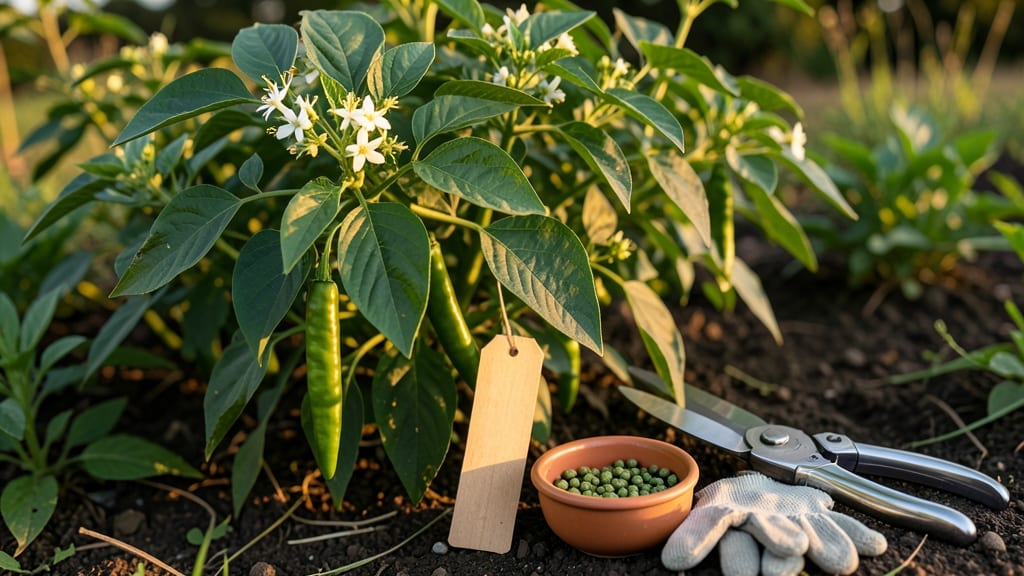
To harvest peppercorns at their peak flavor and potency, timing is everything—wait until the berries turn deep purple-black and feel slightly soft when gently squeezed.
Picture this: your peppercorn plant 🌶️ has spent months growing lush vines, and now those distinctive woody pods are forming. But if you pick too early, you’ll end up with bitter seeds, and if you wait too long, the pods may burst open, scattering seeds everywhere.
Knowing the exact moment to harvest isn’t just about color—it’s about texture, sound, and even the weather. A firm but slightly yielding berry that rattles when shaken is your cue that the seeds inside are ready to be dried and turned into the bold spice we know.
In this guide, I’ll walk you through the visual and tactile cues that signal perfect harvest timing, the step-by-step process from vine to drying, and pro tips to maximize your yield and preserve that rich, spicy flavor for months.
When to harvest peppercorns: visual & tactile cues for perfect timing
Harvesting peppercorns at the right moment transforms your garden into a spice pantry treasure. Unlike sweet peppers, these woody pods require precise timing—harvest too early and you'll get bland seeds, too late and they'll lose potency.
The key lies in three visual and tactile signals that reveal when your peppercorn berries are ready.
First, watch for the color transformation from green to deep purple-black. This shift indicates the seeds inside are maturing. Next, give the berries a gentle squeeze—they should feel firm yet slightly yielding, like a ripe avocado.
Finally, listen for a faint cracking sound when you shake the pods, signaling the seeds are ready to release.
Environmental factors also play a crucial role. Cooler temperatures (below 70°F) and lower humidity (below 60%) accelerate ripening. In warmer climates, pods may ripen faster, so check them weekly in late summer to avoid missing the window.
Here’s a quick reference to help you spot the perfect harvest moment:
If your pods turn wrinkled or mushy, they’ve passed their prime. Overripe peppercorns develop dull, grayish seeds and lose their signature sharp flavor. To avoid this, harvest in the morning after dew has dried—this ensures the pods are fully firm and ready for processing.
Humidity also affects ripening speed. In high-humidity climates, pods may take longer to ripen. Use a dehumidifier nearby or harvest slightly earlier if the pods show 70% purple-black coloration. Conversely, in dry climates, pods ripen faster, so check them every 3-4 days once they start turning color.
Pro tip: Shake the vines gently in the morning. Any pods that rattle are ready for harvest. This tactile method saves time and ensures you don’t miss a single ripe berry. For large plants, use a fine-mesh bag to collect fallen pods—some varieties drop easily when fully ripe.
Troubleshooting premature harvests? If your pods stay green despite warm weather, they may need more sunlight. Move the plant to a sunnier spot or prune nearby shade sources. For overripe pods, reduce watering slightly in the final weeks to slow ripening and extend your harvest window.
Once you master these cues, you’ll harvest peppercorns like a pro—turning your garden into a year-round spice source. The first batch will be the hardest to time, but with practice, you’ll develop an instinct for the perfect moment. 🌱
Step-by-Step peppercorn harvesting process: from vine to drying
Once your peppercorn vines produce those deep purple-black berries, the real work begins. Harvesting at the perfect moment transforms these pods into potent, flavorful peppercorns—but one wrong move can ruin your crop.
Whether you're harvesting for the first time or perfecting your technique, precision matters. The process involves hand-picking pods, processing seeds, and drying them correctly to lock in that signature spicy aroma.
Gathering the right harvesting tools is your first step. You'll need a pair of sharp pruning shears, a clean bucket or basket, and a soft cloth for handling. Avoid metal containers—they can scratch delicate pods.
Work on a dry, sunny day when the humidity is low, as damp conditions speed up spoilage. I always harvest in the morning, when the dew has dried but temperatures are still mild, to preserve pod integrity.
- 🌿 Step 1: Identify Ready Pods
Look for deep purple-black berries that feel firm but slightly soft when gently squeezed. Shake a pod—if you hear a rattle, the seeds are ready. - 🪴 Step 2: Hand-Pick Pods
Use pruning shears to snip stems just above the pod. Avoid pulling—this can damage the vine. Place pods in a breathable basket to prevent crushing. - 🌡️ Step 3: Clean & Sort Seeds
Spread pods on a clean towel and gently roll them to release seeds. Discard any shriveled or moldy pods. Sort seeds by size—larger seeds yield the most potent peppercorns. - ☀️ Step 4: Dry Pods
Place pods on a screen or mesh tray in a warm, dry location (70-80°F). Avoid direct sunlight—it can overheat and scorch the seeds. Stir pods daily for even drying (7-10 days). - 🪣 Step 5: Crack & Store
Once pods are completely dry and brittle, crack them open with a rolling pin to release seeds. Store seeds in an airtight glass jar away from light and heat for up to 2 years.
One of the most common mistakes I see is overripe harvesting. If you wait too long, the pods turn mushy, and the seeds lose their bold, peppery flavor. Conversely, harvesting too early—when pods are still green—yields bitter, underdeveloped seeds.
Always check for the tactile "give" and that signature rattle before picking. Pro tip: Harvest in batches every 2-3 weeks during peak season to maximize yield.
After drying, the final test is simple: crush a few seeds between your fingers. If they release a fragrant, pungent aroma, your harvest is successful. If not, revisit your drying conditions—humidity or uneven airflow can dull the flavor.
I once dried a batch too quickly in direct sun, and the peppercorns tasted bland. Since then, I’ve perfected my low-and-slow drying method for consistent results.
For long-term storage, keep your peppercorns in a cool, dark place like a pantry or root cellar. Label your jars with the harvest date—older peppercorns mellow over time but retain their potency for years.
If you notice any musty smells or discoloration, discard the batch immediately. With the right technique, your homegrown peppercorns will rival the finest gourmet varieties available in stores.
Remember, patience is key. Rushing the drying process or skipping the sorting step can compromise your harvest. Treat each pod with care, and you’ll reward yourself with flavorful, high-quality peppercorns that elevate every dish. Happy harvesting! 🌱