
How To
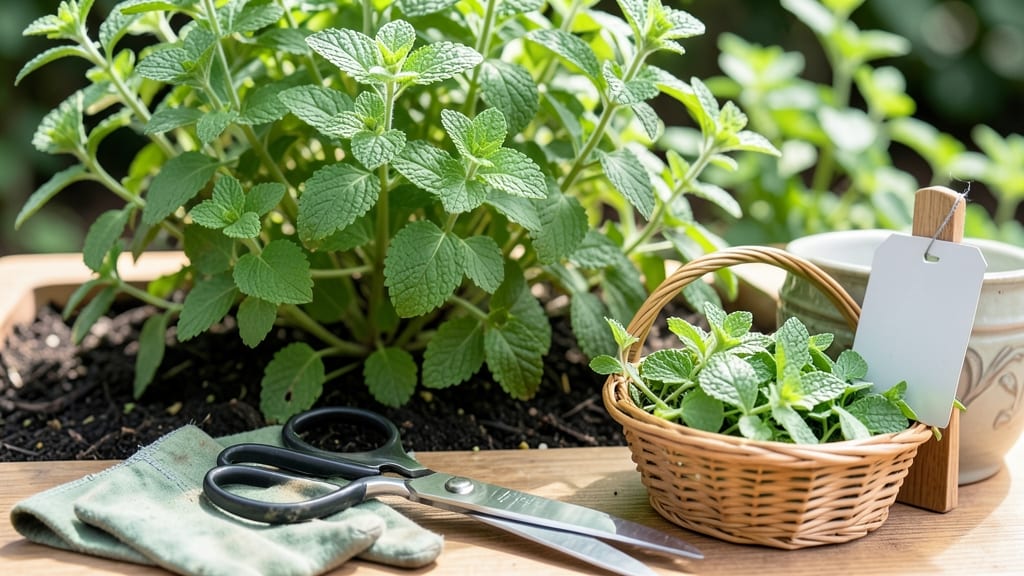
Harvesting peppermint at the right time boosts its essential oil potency and keeps your plants thriving—here’s the exact method to follow for the freshest, most flavorful yield.
Peppermint’s fragrant leaves pack the strongest essential oil when harvested at the right time—but timing is everything. Miss the window, and you’ll weaken the plant’s potency and flavor.
Most gardeners wait until mid-summer, but the best harvest happens in June through early July, just before flowering. This is when the oil concentration peaks, and the leaves are at their most aromatic.
In this guide, I’ll walk you through the step-by-step process—from the tools you’ll need to drying and storing your harvest—so you can maximize flavor and keep your peppermint plants healthy for future cuts.
Best time to harvest peppermint for maximum essential oil
Timing your peppermint harvest is critical for maximizing essential oil potency. The best time to cut stems is late spring to early summer, just before flowering begins. This is when mint oil concentration peaks—typically 60 to 90 days after planting.
Harvesting too early or late reduces flavor and oil yield, so pay attention to your plant’s growth cues.
Peppermint plants reach their prime for harvesting when they’re 12 to 24 inches tall and show dark green, vibrant leaves. Avoid cutting stems after buds form, as flowering shifts energy away from oil production.
The ideal harvest window is June through August in most climates, aligning with peak growth before the plant matures.
Here’s the science: Peppermint’s essential oil is concentrated in the leaves and stems, but it depletes as the plant prepares to flower. Studies show oil content drops by 30-50% post-flowering, so timing is everything. Look for robust stems and aromatic leaves as your visual cues.
| Harvest Stage | Plant Height | Leaf Color | Oil Potency | Best Time |
|---|---|---|---|---|
| Early Growth | 6-12 inches | Light green | Low | Not ideal |
| Prime Harvest | 12-24 inches | Dark green | High (peak) | June-August |
| Pre-Flowering | 24+ inches | Green with buds | Moderate | Last chance |
| Post-Flowering | 30+ inches | Pale or flowering | Low | Avoid |
Spring harvests (March-April) are possible in warmer climates, but summer yields are typically stronger due to longer daylight. If you’re growing peppermint in USDA Zone 6 or higher, aim for late June to early July for the highest oil concentration.
Early morning harvests work best, as dew can dilute essential oils.
Never harvest peppermint after flowering, as the plant’s energy shifts to seed production. This reduces oil content by up to 50%, making your harvest less potent. Instead, focus on young, vigorous growth—cut stems just above a leaf node to encourage bushier regrowth for future harvests.
For container-grown peppermint, harvest timing is slightly different. Since pots limit root growth, these plants may mature faster. Monitor their height and leaf color closely, as container stress can accelerate flowering. Adjust your harvest schedule 2-4 weeks earlier than in-ground plants to compensate.
Pro tip: Crush a few leaves to test for aroma intensity. The stronger the minty scent, the higher the oil content. If the smell is faint, wait another 1-2 weeks before harvesting. This simple trick saves you from wasting low-potency leaves.
After harvesting, dry your peppermint quickly to preserve oil quality. Use a dehydrator, hanging bundle, or paper towels to remove moisture within 24 hours. Slow drying or improper storage can degrade essential oils, so act fast to lock in that fresh, potent flavor.
Remember: Consistent harvesting keeps your peppermint plant productive. Space cuts 4-6 weeks apart to maintain growth and oil production. With the right timing, you’ll enjoy richer flavor and higher yields all season long.
Step-by-step peppermint harvesting technique for strongest flavor
Harvesting peppermint at the right time and using the proper technique ensures maximum essential oil potency and flavor. The key is to cut stems just before flowering—this is when the menthol content peaks and the leaves are most aromatic.
If you wait too long, the plant shifts energy to seed production, reducing its oil concentration and overall quality.
Before you begin, gather your harvesting tools and prepare for either fresh or dried use. For fresh harvests, you’ll need sharp scissors or pruning shears, while dried harvests require additional drying space and airtight storage containers. Always work on a dry, sunny day to prevent mold and ensure even drying.
How to Harvest Peppermint for Peak Flavor
-
Step 1: Choose Mature Stems
Select stems that are 6-12 inches tall with dark green, fully developed leaves. Avoid harvesting stems with pale or yellowing leaves, as these indicate stress or poor health. -
Step 2: Use Clean, Sharp Tools
Use sterilized pruning shears or scissors to make clean cuts. Dull tools can crush stems, leading to bruising and reduced oil quality. -
Step 3: Cut Above a Leaf Node
Always cut stems 2 inches above the ground or at a leaf node. This encourages new growth and prevents over-harvesting, which can weaken the plant. -
Step 4: Harvest Before Flowering
Stop harvesting once the plant begins to bloom. Flowering signals the end of the plant’s prime oil production phase, and the flavor will become bitter. -
Step 5: Process Immediately
If using fresh, rinse leaves under cool water and pat dry with a paper towel. For drying, bundle stems and hang upside down in a dark, well-ventilated space for 1-2 weeks. -
Step 6: Store Properly
Store fresh peppermint in the refrigerator for up to 1 week or freeze in ice cube trays for longer shelf life. For dried leaves, keep in an airtight container away from light for up to 6 months.
Drying peppermint properly is crucial for preserving its aromatic oils. Hang stems in small bundles from a string or lay them flat on a paper towel-lined tray in a dry, shaded area.
Avoid direct sunlight, as it can degrade the oils and turn leaves brittle. Once fully dried, strip the leaves from the stems and store them in a dark glass jar to maintain freshness.
For the strongest flavor, harvest peppermint early in the morning when the oils are most concentrated. This timing also reduces stress on the plant, allowing it to recover quickly for future harvests.
If you’re growing peppermint in containers, rotate the pots every few weeks to ensure even growth and prevent leggy stems.
Never harvest more than one-third of the plant at a time, especially if it’s young or recovering from a previous harvest. Over-harvesting can stunt growth and reduce future yields.
With proper care, a single peppermint plant can provide multiple harvests throughout the growing season, ensuring a steady supply of fragrant leaves for teas, remedies, and culinary uses.
🌿