
How To
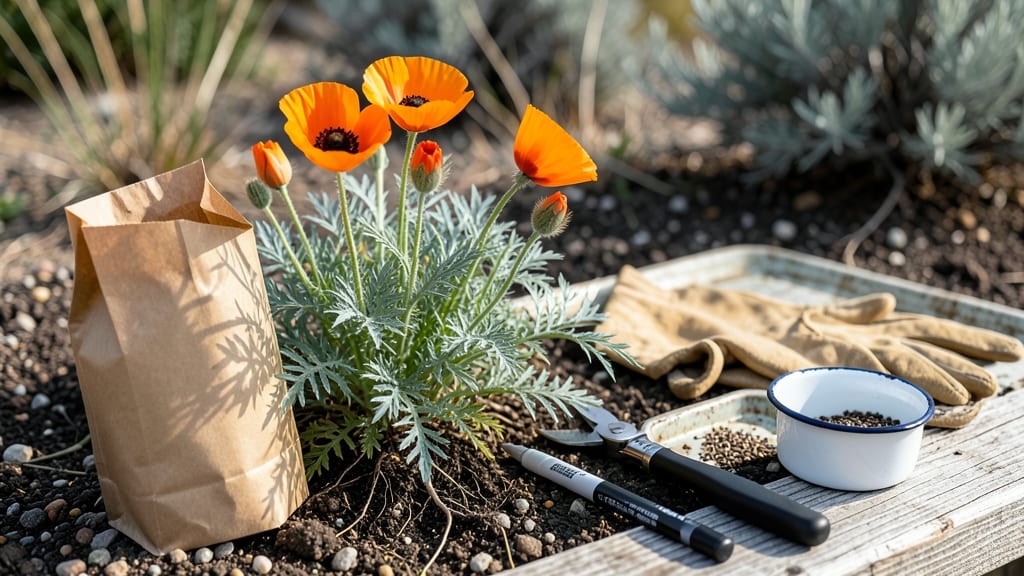
Harvesting poppy seeds for planting at the right time means the difference between a thriving garden and a handful of scattered dreams 🌸—because those delicate pods crack open faster than you can say "next season."
Picture this: you’ve nurtured your poppies all spring, and now the moment has arrived. But wait too long, and the wind steals your seeds before you even know they’re ready.
Or harvest too soon, and you’ll end up with underdeveloped seeds that won’t sprout. Timing is everything, and I’ll show you exactly when to act.
Most gardeners miss the window because they focus on the blooms instead of the pods. The key is watching for those dry, brown seed heads that begin to split on their own—a sure sign it’s time to collect.
Below, I’ll walk you through the step-by-step process, from tools to storage, so you never lose another seed to the breeze.
Ready to turn this year’s poppies into next season’s showstopper? You’ll learn how to identify the perfect pods, gather seeds efficiently, and store them for maximum viability—so your garden stays as stunning as the day you planted them.
When to harvest poppy seeds: identifying the perfect pod ripeness
Harvesting poppy seeds at the right moment transforms your garden into a seed bank for next year's vibrant blooms. The key lies in recognizing visual cues that signal perfect ripeness.
Miss this window, and your seeds scatter like confetti in the wind—or worse, lose viability. Let's explore how to spot those ideal harvesting signs before they disappear.
Poppy seed pods follow a predictable life cycle, starting as green and firm after flowering. As they mature, they gradually turn brown and papery, signaling it's almost time to harvest.
The critical window arrives when these pods begin to crack open naturally—this is nature's way of telling you the seeds are ready. Acting too early risks collecting underdeveloped seeds, while waiting too long means losing them entirely.
Climate plays a surprising role in timing. In cooler regions (USDA Zone 6a or below), pods may take 75-90 days to mature, while warmer climates can accelerate this process to just 60 days.
Always check for brown, dry pods rather than relying solely on days after flowering—this ensures you're harvesting at peak viability.
Here’s a quick reference to help you identify the perfect moment:
| Stage | Pod Color | Texture | Seed Readiness | Action |
|---|---|---|---|---|
| Early | Green | Firm | Underdeveloped | Wait 2-3 weeks |
| Mid | Tan/Brown | Papery | Developing | Monitor daily |
| Late (Harvest) | Dry Brown | Cracking | Fully ripe | Collect immediately |
Pay special attention to the pod's texture—it should feel lightweight and brittle, almost like dried paper. A gentle squeeze should make the pod crackle or split open, revealing dark, plump seeds inside. These seeds are your ticket to next year's garden, so don't rush the process.
If you're unsure, wait 1-2 more days—overripe pods release seeds too easily, while perfectly ripe ones hold firm until you're ready.
Another telltale sign is the plant's overall condition. As the pods mature, the stem begins to wither, and the leaves may yellow or drop. This is your poppy's way of signaling it's ready to release seeds into the world.
If you notice the plant leaning or collapsing, it's a clear indication that the pods are nearing their natural dispersal stage.
For gardeners in humid climates, timing becomes even more critical. Excess moisture can cause mold or rot in the pods before they fully ripen. If you're in a rainy region, prioritize harvesting during dry, sunny days to prevent spoilage.
A quick check of the weather forecast can help you plan your harvest window and avoid losing seeds to unexpected downpours.
One common mistake is harvesting seeds when the pods are still slightly green. These seeds may appear dark but are often underdeveloped and non-viable. To test readiness, gently tap a ripe pod—if seeds rattle inside, they're ready.
If not, wait another 24-48 hours and check again. Patience here ensures you're collecting seeds with the highest germination potential.
Finally, consider the time of day for harvesting. Early morning is ideal because the dew has evaporated, and the pods are dry and crisp. Avoid harvesting after midday heat, as pods can become overly dry and brittle, making them more likely to shatter unexpectedly during collection.
This simple adjustment can save you from a frustrating seed loss.
By mastering these visual cues and timing tips, you'll transform your poppy harvest from a haphazard guess into a precision garden task. Next, we'll cover the step-by-step harvesting process to ensure you collect every last seed without waste. Happy harvesting! 🌾
Step-by-step guide to harvesting poppy seeds without losing them
Harvesting poppy seeds at the right moment can mean the difference between a bountiful next season and a failed planting. These delicate seeds scatter easily, so patience and precision are key. Once you spot brown, papery pods splitting open naturally, act quickly to preserve your seed yield.
Start by gathering your tools: clean scissors, a paper bag, and a pair of gardening gloves. Work on a dry, sunny day when humidity is low to prevent mold. The goal is to collect seeds before they scatter or attract pests, ensuring high viability for future plantings.
🌾 Step-by-Step Harvesting Process
- Step 1: Identify ripe pods—look for brown, dry pods that are cracking open on their own. Avoid green or firm pods.
- Step 2: Cut pods gently using clean scissors or pruners. Hold the pod with one hand and snip the stem just above the base to avoid damaging seeds.
- Step 3: Place pods in paper bags immediately. Paper allows airflow while preventing seeds from escaping. Label bags with the harvest date.
- Step 4: Dry pods indoors for 3-5 days in a cool, dry place (like a sunny windowsill). Avoid direct heat or humidity.
- Step 5: Shake pods over a clean tray to release seeds. Discard empty pods and store seeds in a sealed container with a desiccant packet.
- Step 6: Store seeds in a dark, cool place (like a pantry) for up to 2 years. Test viability by planting a few seeds annually.
If you miss the natural cracking window, don’t panic. You can still harvest by removing pods early and drying them indoors. However, seeds from overripe pods may have lower germination rates. Always prioritize dry, mature pods for the best results.
Pro tip: Harvest in batches over 2-3 days if your plants produce seeds unevenly. This ensures you capture the peak ripeness without losing any to wind or wildlife. Label each batch to track seed maturity and storage dates.
With these steps, you’ll maximize your poppy seed harvest and enjoy vibrant blooms for seasons to come. Happy harvesting! 🌻