
How To
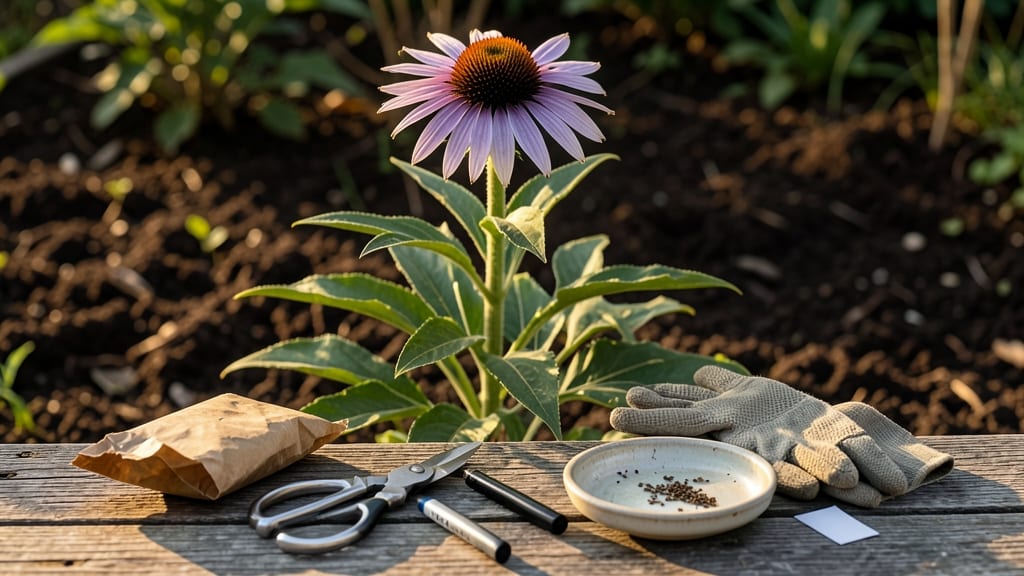
Harvesting purple coneflower seeds 🌼 means waiting for those dried, papery heads to split open—just when the plant’s work is done and yours can begin.
Those striking purple blooms of coneflowers aren’t just beautiful—they’re nature’s way of telling you it’s time to harvest seeds for next year’s garden. But timing and technique are everything to ensure you collect viable seeds without wasting your efforts.
If you’ve ever watched a coneflower head turn from golden-brown to brittle, only to wonder if it’s too late, this guide will show you exactly when to act.
We’ll cover how to spot the perfect moment, gently remove the seeds, and store them for planting—so you can wake up to more of these pollinator magnets next spring.
By the end, you’ll know the three key signs a seed head is ready, how long seeds stay viable, and the simplest way to dry them without losing a single one. Let’s get started.
When and how to identify purple coneflower seed heads ready for harvest
Harvesting purple coneflower seeds at the perfect moment ensures you collect viable seeds for next year's garden. The key lies in watching for visual cues and understanding the plant's natural lifecycle.
When you spot brown, papery seed heads instead of vibrant blooms, it's time to act—but timing matters to avoid wasting effort.
Start by examining the flower petals. They begin as bright purple but fade to tan or brown as they wither. This color shift signals the plant is shifting resources to seed production. However, don't harvest too early—green remnants mean seeds aren't fully mature yet, reducing viability.
Look for dry, brittle seed heads that feel crisp to the touch. A gentle shake should reveal seeds rattling inside the cone. This "paper bag" texture is your green light—seeds are ready for collection. Ignore heads that still feel moist or spongy, as they won't yield quality seeds.
Regional timing varies: in USDA Zones 3-5, harvest typically occurs between late August and September, while Zones 6-9 may extend into early October. Always check weather forecasts—rainy conditions can delay drying, so aim for dry, sunny days for ideal harvest conditions.
Pay attention to the seed cone structure. Mature heads will split open naturally if left too long, causing seeds to scatter. This is your final warning—harvest before this happens! Use clean, sharp pruning shears to snip the stem about 2 inches below the seed head.
Morning harvests work best because dew-free conditions prevent moisture from damaging seeds. Avoid harvesting after rain or high humidity, as damp seeds spoil quickly. If you must harvest later, let the heads dry indoors for 24 hours before processing.
Don't overlook environmental factors like temperature drops or early frosts, which can accelerate seed drying. In colder climates (Zones 3-4), harvest by mid-September to avoid frost damage. Warmer regions (Zones 8-10) can extend harvesting until November.
Pro tip: Label your seed heads with the harvest date and variety (if applicable). This helps track seed viability later. Store them in a cool, dry place until you're ready to process—typically 1-2 weeks of additional drying time.
If you're unsure whether seeds are ready, perform the "shake test": Hold the seed head over a white paper bag and shake gently. If dark seeds rain down, they're harvest-ready. If only chaff or empty husks fall, wait a few more days.
Remember, patience is key—rushing the harvest reduces seed quality. By mastering these visual and environmental cues, you'll consistently collect high-quality purple coneflower seeds for years of pollinator-friendly blooms.
Step-by-Step seed harvesting process to preserve viability
Now that you've identified your purple coneflower seed heads ready for harvest, the next step is careful removal to preserve seed viability. The process is simple but requires gentle handling to avoid damaging the delicate seeds inside those dry, papery cones.
Start by selecting a dry, sunny day when humidity is low—this minimizes moisture exposure and prevents mold.
Use clean, sharp pruning shears or scissors to cut the seed heads from the stem, leaving about 2 inches of stem attached. This helps with drying later. Avoid pulling or twisting, which can damage the seed cones or cause seeds to fall prematurely.
Place the harvested heads in a brown paper bag or a well-ventilated container to allow air circulation.
- 🌼 Step 1: Cut dry seed heads with 2-inch stems using clean shears.
- 🌾 Step 2: Place heads in paper bags for 2-3 weeks of drying.
- 🌡️ Step 3: Dry indoors at 60-70°F with good airflow (avoid direct sunlight).
- ✂️ Step 4: Once seeds rattle freely, rub heads over a tray to release seeds.
- 🌱 Step 5: Winnow seeds by fanning to remove chaff and debris.
- 📦 Step 6: Store seeds in airtight containers with silica gel in a cool, dark place.
After harvesting, let the seed heads dry indoors for 2-3 weeks in a warm, dry spot with good airflow. A well-ventilated room or even a seed drying rack works well. Avoid direct sunlight, which can overheat the seeds and reduce their germination rate.
If you're in a humid climate, consider using a dehumidifier or placing a fan nearby to speed up drying.
Once the seed heads are completely dry, they’ll rattle when shaken—a sure sign the seeds are ready. Gently rub the dried heads over a large tray or clean sheet of paper to release the seeds.
Use your fingers or a soft brush to help loosen stubborn seeds. Avoid shaking too hard, as this can damage the seed coats and reduce viability.
After separating the seeds from the chaff, spread them on a clean, dry surface and use a fan or gentle breeze to winnow out debris. This step ensures you’re left with clean, high-quality seeds ready for storage.
Store the seeds in airtight containers with a silica gel packet to absorb excess moisture. Label the container with the harvest date and store it in a cool, dark place like a pantry or refrigerator.
Common mistakes to avoid include harvesting seeds too early (when they’re still green or moist) or storing them in humid conditions, which can cause mold. Also, avoid crushing the seeds during handling, as this can compromise their germination potential.
With proper care, your purple coneflower seeds can remain viable for 2-3 years, giving you a head start on next year’s garden.