
How To
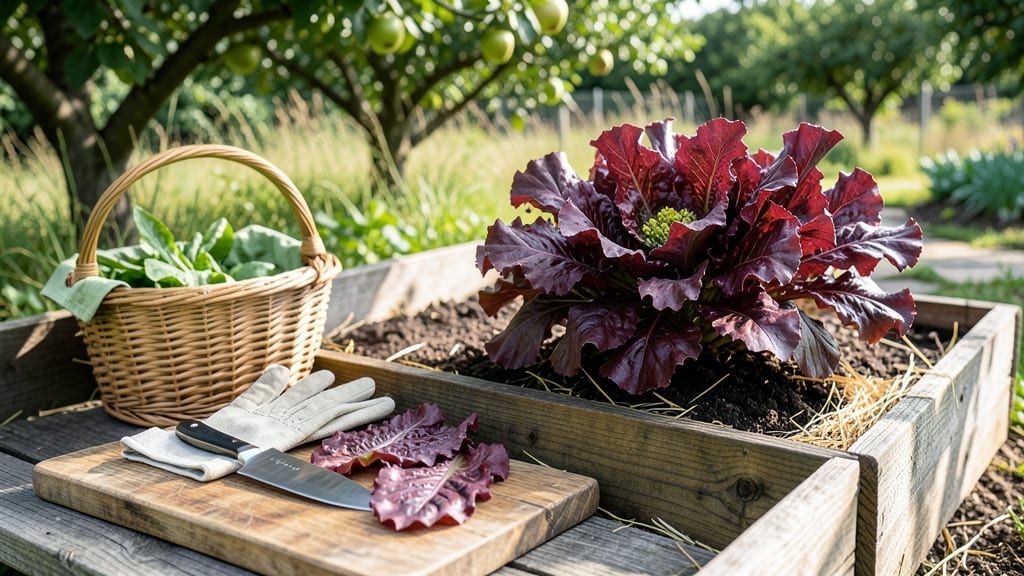
Harvesting red leaf lettuce at the perfect time ensures crisp, flavorful leaves 🥬 — and the crisp stems test is the simplest way to tell when they’re ready.
If you’ve spent weeks nurturing tender red leaf lettuce only to wonder, ‘When is it truly ready to pick?’—the crisp stems test holds the secret to harvesting at peak flavor and texture.
Too early, and your leaves will be bitter or underdeveloped; too late, and they’ll bolt or turn tough. The key is checking stem firmness and leaf size—both tell you exactly when to snip for the freshest taste.
Below, I’ll walk you through the exact steps to test your lettuce, the best cutting techniques, and how to store your harvest so it stays crisp for days.


How to perform the crisp stems test for perfect harvest timing
Timing your red leaf lettuce harvest is everything—pick too early, and you’ll sacrifice flavor; too late, and the leaves turn bitter or bolt. The crisp stems test is my go-to method for determining peak harvest readiness.
This simple technique focuses on the stem’s firmness and leaf maturity, ensuring you enjoy the sweetest, crunchiest lettuce possible. I’ve used this method for years in my garden, and it’s saved me from countless sad, wilted harvests.
Red leaf lettuce typically reaches harvest maturity in 30-60 days after sowing, but relying solely on days-to-maturity can be misleading. Instead, I prioritize visual and tactile cues. The crisp stems test combines both—checking for deep red coloration and a snappy stem that resists bending.
When these signs align, you’re just days away from the perfect harvest. The test also helps avoid the common mistake of harvesting too late, which leads to tough, fibrous leaves.
Before diving into the test, gather your supplies: a sharp pair of scissors or pruners, a small notebook to track progress, and a sunny morning for ideal conditions. I always perform the test in the morning because cooler temperatures make the stems firmer, giving a more accurate reading.
Avoid testing after rain or heavy watering, as the stems may appear deceptively crisp due to hydration rather than maturity.
Step-by-Step Crisp Stems Test for Red Leaf Lettuce
- 1 Check leaf color: Look for deep red hues on the outer leaves. Immature leaves may still show green or pale pink. Aim for 70%+ red coloration across the plant.
- 2 Test stem crispness: Gently pinch the base of a mid-sized leaf near the stem. If it feels firm and resists bending, the stem is crisp. If it bends easily or feels soft, wait 2-3 days.
- 3 Inspect leaf size: Mature red leaf lettuce leaves should be 4-6 inches long. Measure a few outer leaves—if they’re smaller, the plant needs more time.
- 4 Evaluate rosette tightness: A ready-to-harvest plant forms a compact rosette with leaves growing close together. Loose or sparse growth means it’s not mature yet.
- 5 Confirm texture: Run your fingers over the leaf surfaces. Mature leaves feel smooth and slightly waxy, while immature leaves may feel rough or downy.
- 6 Harvest timing decision: If 3+ signs (color, crispness, size, rosette) are met, it’s time to harvest. If only 1-2 signs align, wait another 2-4 days and retest.
One of the most common questions I hear is whether to harvest the entire plant at once or use the cut-and-come-again method. The crisp stems test helps decide: if the outer leaves pass the test but the inner core is still soft, harvest the outer leaves first.
This leaves the center to regrow for a second harvest in 1-2 weeks. For a full harvest, wait until the entire rosette passes the test—this usually happens when the plant is 45-60 days old.
Temperature plays a sneaky role in harvest timing. In cooler climates (USDA Zones 3-6), red leaf lettuce matures faster due to slower growth rates. I’ve seen plants ready in as few as 30 days in spring or fall.
Conversely, hot summer months (Zones 7-10) can accelerate growth, leading to bolting if not harvested promptly. Always adjust your test schedule based on your local average temperatures—aim for harvests during mild weather (60-75°F) for the best flavor.
Pro tip: Pair the crisp stems test with a taste test on a small leaf. If it’s mild, slightly sweet, and crisp, the rest of the plant is ready. Bitter or overly peppery flavors mean it’s past its prime.
I’ve found that red leaf lettuce harvested at this stage holds up best in salads, sandwiches, or even lightly wilted greens for a tender texture. Over-mature leaves lose their crispness and become tough, which is a shame after all your hard work!
If you’re growing red leaf lettuce in containers or raised beds, the crisp stems test still applies, but monitor the plant more frequently due to limited root space.
Container-grown lettuce often matures 5-7 days faster than in-ground plants, so check stems every 2-3 days once the leaves reach 3 inches. For container gardens, I also recommend using a well-draining mix to prevent soggy stems, which can mimic crispness and lead to premature harvests.
Remember, the crisp stems test isn’t just about timing—it’s about quality control. By mastering this method, you’ll avoid the frustration of bitter, tough, or wilted lettuce and instead enjoy a steady supply of vibrant, flavor
Best harvesting techniques to preserve flavor and extend lettuce life
Once your red leaf lettuce passes the crisp stems test, the next step is harvesting with precision. Using the right technique ensures peak flavor and prevents the plant from bolting or becoming bitter.
Whether you're harvesting for fresh salads or storage, these methods will keep your lettuce crisp and delicious for weeks.
I’ve found that cutting rather than pulling leaves is the gentler approach, especially for cut-and-come-again harvesting. This method allows the inner leaves to regrow, giving you multiple harvests from a single plant.
For a full harvest, you can cut the entire head at the base, but this ends the plant’s productive life.
Pros and Cons of Harvesting Methods
Harvesting Red Leaf Lettuce
Cutting Outer Leaves
- Preserves plant for regrowth
- Gentle on stems, reduces bolting
- Allows multiple harvests
- Requires patience for full regrowth
- Smaller individual leaves over time
Pulling Full Head
- Harvests entire plant at once
- Larger, uniform leaves
- Ends plant’s productive life
- Risk of damaging roots
To revive wilted red leaf lettuce, place the head in a bowl of ice water for 15-30 minutes. This crisping method restores crunch and extends shelf life by up to 5 days.
Store harvested leaves in an airtight container with a paper towel to absorb excess moisture, and keep them in the crispest drawer of your fridge.
For long-term storage, wrap whole heads in damp paper towels and place them in a plastic bag. This mimics the plant’s natural humidity and keeps leaves fresh for 2-3 weeks. Avoid washing until ready to use—excess moisture speeds up spoilage and encourages fungal growth.
If your lettuce starts to bolt (sending up a tall flower stalk), it’s a sign of stress from heat or age. To prevent this, harvest early or provide shade cloth during hot days. With these techniques, you’ll enjoy crisp, flavorful red leaf lettuce for weeks, not days.
Remember, the key to extending your harvest is consistency. Regularly check your plants for readiness, use sharp scissors for clean cuts, and store properly. Your garden—and taste buds—will thank you!