
How To
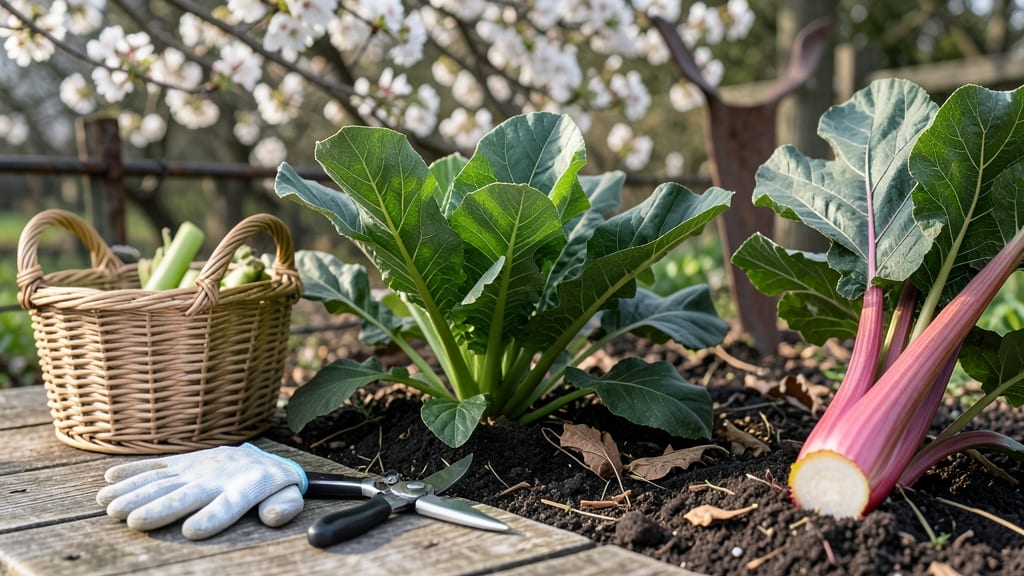
Harvesting rhubarb stalks at the right time and with the right technique ensures a plentiful harvest while keeping your 🌱 rhubarb plant thriving for years.
If you’ve ever watched those vibrant stalks reach 10 inches only to wonder, "Now what?"—this is your guide. The difference between a bountiful harvest and a struggling plant often comes down to timing, tools, and a few simple tricks most gardeners miss.
In Zone 6, where spring’s fleeting warmth meets the late May to June harvest window, knowing when to cut and how to do it protects the crown while maximizing yield. Over-harvesting or using the wrong method can leave your plant weak—or worse, dead.
Below, I’ll walk you through the exact steps to harvest rhubarb like a pro, from the ideal stalk size to the tools you’ll need and how to care for your plant after the cut. No guesswork, just proven techniques for a healthier, more productive rhubarb patch.
When to harvest rhubarb stalks: the 10-Inch rule & seasonal timing
Timing your rhubarb harvest correctly ensures sweet, tender stalks while protecting your plant’s long-term health. The 10-inch rule isn’t arbitrary—it’s rooted in the plant’s growth cycle. When stalks reach this length, they’ve stored enough energy to support both your harvest and the plant’s future growth.
Overlooking this can weaken the crown or even kill your rhubarb over time.
Most gardeners harvest rhubarb in late spring to early summer, typically between May and June in USDA Zone 6.
But climate plays a huge role—gardeners in warmer zones (like Zone 8-10) may start as early as April, while those in colder regions (like Zone 3-5) might delay until June to avoid frost damage.
Here’s the science behind the 10-inch rule: Stalks this size have fully developed vascular bundles, meaning they can be cut without starving the plant. Younger stalks (under 6 inches) are still growing and lack the nutrients needed for regrowth.
Waiting too long (beyond 12 inches) risks making them woody or bitter.
| Harvest Stage | Stalk Characteristics | Ideal Time | Climate Adjustments |
|---|---|---|---|
| Early Season | 6–9 inches, soft but firm | Avoid harvesting; let stalks mature | Warmer zones: Start earlier (March) |
| Prime Harvest | 10–12 inches, bright color, pliable | Late spring to early summer (May–June) | Colder zones: Delay until after last frost |
| Late Season | Over 12 inches, woody texture | Stop harvesting; protect crown | Hot climates: Harvest early morning to avoid stress |
| Fall Harvest | New growth after summer dormancy | Limited harvest in September (if stalks regrow) | Northern zones: Rare; focus on crown protection |
Spring harvests are your primary window because rhubarb stores energy in its crown during winter. Cutting stalks in fall or winter weakens the plant, as it’s preparing for dormancy.
If you’re in a mild-winter zone (like Zone 7-10), you might see a second flush of growth in September, but limit harvesting to 10% of stalks to avoid stressing the plant before winter.
Identifying perfectly ripe stalks goes beyond just measuring length. Look for bright color (red or green, depending on your variety) and a slightly pliable texture.
Press a stalk gently—if it bends but doesn’t snap, it’s ready. Avoid stalks with yellowing leaves or woody centers, as these indicate overmaturity or stress.
Seasonal timing also affects stalk tenderness. Early spring stalks are often sweeter and more tender because the plant hasn’t yet directed energy to leaf production. By mid-summer, stalks may become tougher and more fibrous, even if they’re the right length.
This is your plant’s way of signaling it needs a break—so respect its growth cycle!
For gardeners in cooler climates, like Zone 4-5, waiting until after the last frost (usually mid-May) ensures stalks aren’t damaged by cold snaps. In hotter zones (like Zone 9-10early morning to prevent stalks from wilting in the heat.
Always leave at least 3–4 stalks per plant unharvested to maintain energy reserves.
One common mistake is over-harvesting in the first year. Young rhubarb plants need time to establish a strong crown. In their first growing season, limit yourself to 1–2 stalks per plant, even if they reach 10 inches.
This ensures your rhubarb thrives for years to come, rather than burning out after just one harvest.
Pro tip: Mark your rhubarb harvest dates in a garden journal. Tracking when stalks reach 10 inches each year helps you anticipate future harvests. Over time, you’ll notice patterns—like whether your plants mature faster in sunny patches or slower in shadier spots.
Adjust your timing accordingly to maximize your yield.
Remember, rhubarb is a perennial, meaning it comes back year after year with proper care. By following the 10-inch rule and respecting seasonal cues, you’ll enjoy vibrant, healthy stalks for decades—without sacrificing your plant’s future productivity. Happy harvesting! 🌱
Step-by-step rhubarb harvesting technique: tools, grips & plant care
Harvesting rhubarb stalks the right way ensures your plant thrives for years. The key is selective cutting—never removing more than one-third of stalks at once. Using the correct tools and technique prevents damage to the rhubarb crown, which is the heart of your plant's growth.
I've learned that even a small cut too deep can weaken the plant for next year's harvest.
Before you begin, gather your harvesting tools: a pair of clean pruning shears, gardening gloves, and a sharp knife for stubborn stalks. I always sanitize my tools with rubbing alcohol to prevent spreading disease between cuts.
The right grip matters too—hold stalks firmly at the base where they meet the crown, about 1 inch above the soil line.
How to Harvest Rhubarb Stalks
- Step 1: Wait until stalks reach 10-12 inches and are firm but pliable. Avoid harvesting when stalks are still soft or woody.
- Step 2: Use clean pruning shears or a sharp knife to cut stalks at a 45-degree angle, about 1 inch above the crown.
- Step 3: Grip the stalk firmly at the base with your dominant hand while cutting with your other hand to prevent slipping.
- Step 4: Never harvest more than one-third of stalks at once. This preserves the plant's energy for regrowth.
- Step 5: Remove any yellow or diseased leaves immediately after harvesting to prevent spread.
After harvesting, inspect your rhubarb plant for any signs of stress. If you notice yellowing leaves or stunted growth, it might be a sign of over-harvesting.
I once cut too many stalks in my first year and nearly lost my plant—now I always leave at least half the stalks to photosynthesize. Water the plant deeply after harvesting to help it recover.
For post-harvest care, apply a 2-inch layer of mulch around the base to retain moisture and suppress weeds. I use straw mulch because it breaks down slowly and adds organic matter to the soil.
Avoid fertilizing immediately after harvest, as this can encourage tender new growth that's susceptible to frost damage.
If your rhubarb plant looks weak or wilted after harvesting, don't panic. Give it time to recover and focus on soil health by adding compost. I've revived struggling plants by mixing in well-rotted manure and ensuring proper drainage.
With the right care, your rhubarb will bounce back stronger for next season's harvest.
Remember, patience is key with rhubarb. It takes about 2-3 years for a new plant to reach full productivity, so treating it gently during harvest seasons pays off in the long run.
The first year, I harvested only a few stalks to let my plant establish strong roots—now it produces dozens of stalks each spring.