
How To
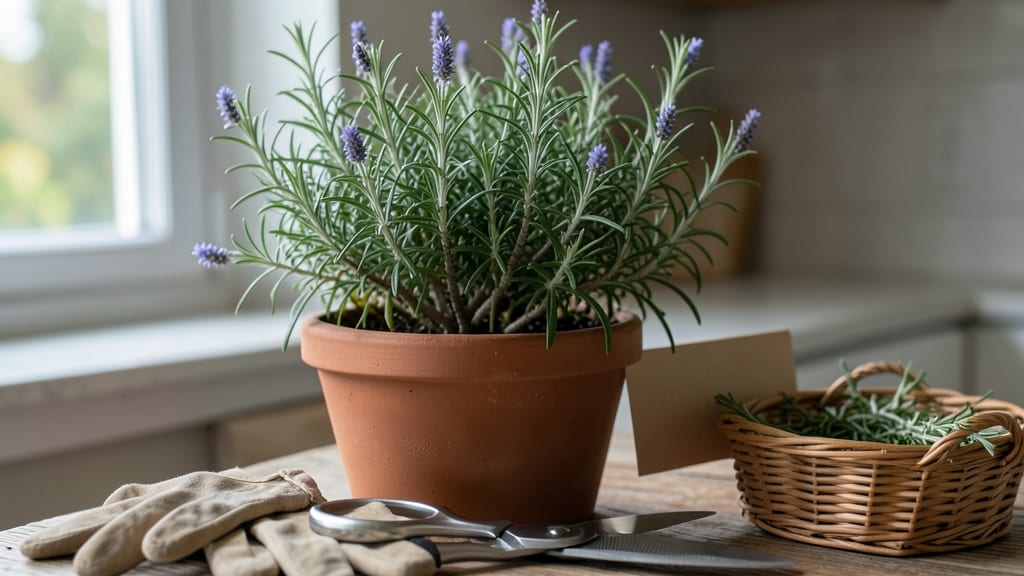
To harvest rosemary plant at its peak flavor, focus on timing and technique—spring through early fall is your golden window, when stems are firm and leaves burst with aroma.
Picture this: you snip a sprig, crush it between your fingers, and that piney, citrusy scent fills the air. That’s the moment you know you’ve got it right—and missed it, and your kitchen spices suffer. The key is cutting just before flowers open, when the oils are strongest.
Whether you’re a beginner or a seasoned gardener, knowing when and how to trim makes all the difference. A little pruning not only boosts flavor but also encourages bushier growth, so your rosemary keeps giving year after year.
Below, I’ll walk you through the exact steps—from tools to storage—so every harvest feels like a victory, and your plant stays happy and productive for seasons to come.
When and how to harvest rosemary for maximum flavor and plant health
Timing your rosemary harvest is everything—cut too early, and you’ll sacrifice flavor; wait too long, and the stems become woody. The best time to harvest is during the plant’s active growing season, from late spring through early fall.
This window ensures your rosemary leaves are packed with essential oils, delivering that signature piney aroma we all love.
For year-round harvests in mild climates, focus on spring and fall when new growth emerges. In colder regions, harvest in summer months before the first frost. The key is to prune regularly—this encourages bushier growth and prevents your plant from becoming leggy or overgrown.
-
Step 1: Choose the Right Stems
Select non-flowering stems—they pack the most flavor and aroma. Look for woody, firm stems with dark green leaves. Avoid stems with budding flowers, as they can make the leaves bitter. -
Step 2: Use the Right Tools
Grab a pair of clean, sharp pruners or scissors. Dull tools can crush stems, leading to browning or disease. For smaller sprigs, pinch them off by hand—this works great for cooking or garnishes. -
Step 3: Cut at the Right Angle
Make cuts just above a leaf node (where leaves meet the stem). This encourages new growth from that spot. Angle your cut slightly to prevent water pooling, which can cause rot. -
Step 4: Leave Room for Growth
Never remove more than one-third of the plant in a single harvest. Over-pruning stresses the rosemary bush and can stunt its growth. Aim to trim outer stems first to maintain the plant’s shape. -
Step 5: Harvest in the Morning
The early morning is ideal because essential oils are most concentrated. Avoid harvesting after rain or late in the day, as humidity can encourage mold on freshly cut stems.
Your rosemary plant will thank you if you harvest regularly. By cutting back stems, you’re not just getting fresh herbs—you’re promoting denser foliage and preventing the plant from becoming woody and unproductive.
Think of it like giving your rosemary a haircut: the more you maintain it, the fuller and healthier it grows.
Pro tip: If you’re growing rosemary in containers, harvest more frequently—these plants often grow more compactly and benefit from light trimming every 4-6 weeks. For ground-planted rosemary, a seasonal harvest schedule (spring, summer, and fall) works perfectly.
Watch for signs of over-harvesting, like yellowing leaves or stunted growth. These are red flags that your plant needs a break. If you notice bare stems or slow regrowth, scale back your harvesting for a few weeks to let the plant recover.
For maximum flavor, always harvest just before flowers open. Once flowers appear, the aromatic oils in the leaves start to shift, making them less potent. If you miss this window, don’t worry—your rosemary will still produce edible leaves, but they won’t be as fragrant or flavorful.
Store your freshly harvested rosemary sprigs in a paper towel-lined container in the fridge for up to 1 week. For long-term use, dry or freeze them within 24 hours to preserve that fresh-picked taste.
A little effort now means homegrown rosemary that rivals anything you’d buy at the store.
Remember, rosemary is a perennial in most climates, meaning it can keep producing for years with proper care. By mastering the art of timely harvesting, you’ll enjoy a bountiful, flavorful harvest season after season—without sacrificing your plant’s health. Happy pruning! 🌿✂️
Step-by-step guide to pruning rosemary for continuous harvests
Pruning your rosemary plant isn’t just about keeping it neat—it’s the secret to bushier growth and longer harvests. When done right, regular trimming encourages new side shoots while preserving that fragrant flavor you love. The key? Timing, technique, and avoiding those common mistakes that leave your plant stressed.
Before you grab your pruning shears, know this: rosemary thrives on light pruning. Over-trimming can shock the plant, while under-pruning leads to leggy, woody stems. Aim to remove no more than one-third of the plant’s growth in a single session.
Now, let’s get to the step-by-step process that’ll keep your rosemary lush and productive all season.
How to Harvest Rosemary Plant: Step-by-Step
- 🌱 Choose the right time: Prune in early spring or late summer to avoid stressing the plant. Never trim after first frost—rosemary is evergreen but sensitive to cold damage.
- ✂️ Gather your tools: Use clean, sharp pruners or bypass shears. Disinfect blades with rubbing alcohol to prevent disease. Avoid dull tools—they crush stems instead of cutting cleanly.
- 🌿 Locate new growth: Focus on trimming just above a leaf node (the bump where leaves meet the stem). This encourages new side shoots to grow from that spot. Avoid cutting into old, woody stems—they won’t regrow.
- 📏 Trim strategically: Cut back one-third of the longest stems to maintain shape. For bushier plants, trim the outer growth first. Never shear the entire plant like a hedge—rosemary hates harsh cuts.
- 💧 Water after pruning: Give your rosemary a deep watering within 24 hours. This helps the plant recover faster, especially if you’ve trimmed during hot, dry weather. Avoid waterlogging—rosemary hates soggy roots.
- ☀️ Monitor sunlight: After pruning, ensure your rosemary gets full sun (6+ hours daily). New growth needs light to stay vibrant and aromatic. If indoors, rotate the pot weekly for even exposure.
- 🌿 Harvest regularly: Pinch off small sprigs throughout the growing season to encourage bushiness. For drying or cooking, cut 3-4 inch stems just before flowers open—this locks in maximum flavor.
One of the biggest mistakes I see is pruning too late in the season. If you trim in fall or winter, your rosemary won’t have time to recover before dormancy.
Always prune at least 6-8 weeks before the first expected frost in your area. This gives the plant time to knit new growth before the cold sets in.
For container-grown rosemary, pruning is even more critical. Since pots limit root space, regular trimming prevents the plant from becoming root-bound. Every 4-6 weeks during the growing season, give your potted rosemary a light trim to keep it compact and flavorful.
Just remember: small, frequent cuts work better than one big trim.
Pro tip: Save your pruning clippings! Bundle 3-4 inch stems and hang them upside down in a dry, dark place for 1-2 weeks to dry. Once fully dried, strip the leaves and store them in an airtight container for up to a year of aromatic goodness.
This turns your pruning session into a flavor-preservation hack too.