
How To
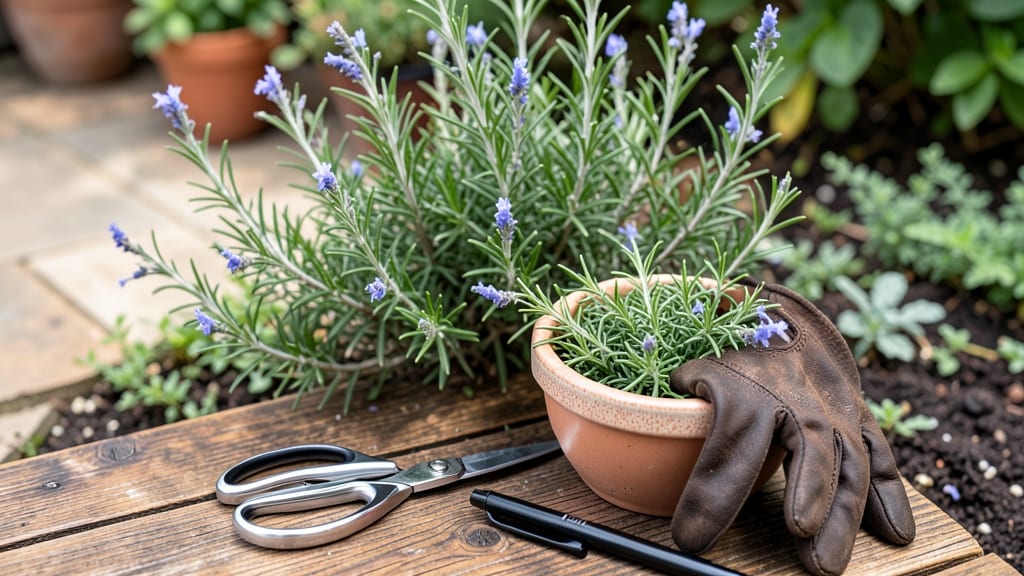
To harvest rosemary so it keeps growing, focus on cutting just the tips of the stems—never more than a third of the plant at once—while timing your cuts for peak regrowth.
Harvesting rosemary wrong can stunt its growth—or worse, kill your plant—but with the right technique, you’ll get fresh herbs year-round while encouraging lush, bushier foliage that thrives. 🌿 The key is knowing when to trim (spring and summer) and how to prune (above leaf nodes) to spark new shoots.
Many gardeners make the mistake of over-pruning or cutting too low, which leaves the plant vulnerable to stress. Instead, aim for 1/3 or less of the foliage at a time, always snipping just above a set of leaves where new growth can emerge.
Below, I’ll walk you through the exact steps for harvesting, pruning mistakes to avoid, and post-harvest care tips to keep your rosemary thriving—so you never run out of this fragrant herb again.
When and how to harvest rosemary for continuous growth
Harvesting rosemary at the right time and with the proper technique is the secret to keeping your plant lush and productive for years. Unlike many herbs, rosemary thrives when you encourage new growth through strategic pruning.
The key is timing—spring and summer are prime seasons—while avoiding woody stems that signal over-matured branches. When done correctly, your rosemary will reward you with bushier foliage and a steady supply of fragrant sprigs.
Most gardeners make the mistake of cutting rosemary too late in the season or taking too much at once. This weakens the plant and can lead to stunted growth or even death. Instead, focus on harvesting young, tender shoots from the tips of branches.
This not only provides the freshest flavor but also stimulates the plant to branch out and produce more leaves. Think of it as giving your rosemary a haircut—just enough to shape it without going too short.
Another common error is waiting until the plant is already overgrown and woody. By then, the stems are less flavorful and harder to regrow. The best approach is to prune regularly, even if you don’t need all the herbs.
This keeps your rosemary compact, healthy, and ready for your next culinary project. With the right method, you can harvest rosemary year-round in mild climates or at least from spring through fall in cooler regions.
How to Harvest Rosemary for Continuous Growth
- 🌱 Choose the Right Time: Harvest in spring or summer when the plant is actively growing. Avoid cutting in fall or winter when growth slows.
- ✂️ Use Clean Pruners: Always use sharp, sterilized pruners or scissors to make clean cuts. Dull tools can crush stems and invite disease.
- 🌿 Trim the Tips: Cut 3-6 inches from the tips of branches, just above a leaf node. This encourages new side shoots to form.
- 📏 Never Take More Than 1/3: Remove no more than one-third of the plant at a time. Over-harvesting stresses rosemary and can kill it.
- ☀️ Avoid Woody Stems: Skip cutting into thick, woody branches. Focus on green, flexible stems for the best regrowth and flavor.
- 💧 Water After Pruning: Give your rosemary a deep watering within 24 hours of harvesting to help it recover and stimulate new growth.
- 🌡️ Adjust for Season: In hot summers, harvest more frequently to prevent stress. In cooler months, reduce pruning to let the plant rest.
The best time to harvest rosemary is in the morning after dew has dried but before the heat of the day. This ensures the leaves are fully hydrated and aromatic. If you’re harvesting for culinary use, aim to use the sprigs within a few days for peak flavor.
For drying, bundle the stems and hang them upside down in a well-ventilated, dark place for 1-2 weeks until the needles are crisp.
Seasonal adjustments are crucial for keeping your rosemary healthy. In spring, when new growth emerges, you can harvest more aggressively to shape the plant. By mid-summer, focus on lighter pruning to avoid stressing the plant as temperatures rise.
In fall, reduce harvesting entirely to allow the plant to prepare for dormancy. This seasonal rhythm ensures your rosemary stays vigorous and productive year after year.
One of the biggest mistakes gardeners make is cutting into old, woody stems. These branches are less likely to regrow and can become dead wood over time. Instead, always target the new, green growth at the tips.
This not only keeps your rosemary looking neat but also ensures it continues to produce soft, flavorful needles. If you accidentally cut into a woody stem, don’t panic—simply focus on pruning the younger growth around it.
To encourage even more bushiness, try a technique called pinching. Using your fingers, gently pinch off the tips of the youngest shoots when they’re about 3-4 inches tall. This prompts the plant to branch out and produce multiple stems instead of one long, leggy branch.
Pinching is especially effective in early spring when the plant is just waking up from dormancy.
If your rosemary starts to look leggy or sparse after harvesting, it’s a sign you need to adjust your approach. Give it a light fertilizer with a balanced formula (like 10-10-10) and ensure it’s getting at least 6 hours of sunlight daily.
Mulching around the base with organic matter can also help retain moisture and encourage root growth. With these adjustments, your rosemary should bounce back and thrive.
Remember, the goal is to harvest sustainably. By following these steps, you’ll enjoy a constant supply of fresh rosemary while keeping your plant happy and healthy.
Whether you’re using it for cooking, garnishes, or even homemade potpourri, your rosemary will keep growing stronger with every careful cut. Happy harvesting! 🌿✂️
Rosemary pruning mistakes that stop growth (and how to fix them)
Pruning rosemary seems simple, but wrong cuts can shock your plant and halt growth for months. I’ve seen woody stems develop from over-pruning, and brown tips appear when cuts are made in the wrong season.
The key is understanding where and when to trim to keep your rosemary lush and productive.
Most gardeners make one of three critical mistakes: cutting too much at once, pruning during dormant seasons, or snipping at the wrong growth nodes.
These errors stress the plant, forcing it to divert energy into survival instead of new growth. Let’s fix these common pruning blunders so your rosemary thrives.
⚠️ Mistake #1: Cutting More Than 1/3 of the Plant at Once
Removing over 30% of foliage in a single session shocks rosemary, causing stunted regrowth or even death. Instead, harvest sprigs from the tips (never more than 1/3 of a branch) to encourage bushier growth. Think of it like trimming your hair—small cuts keep it healthy!
Another red flag is pruning in late fall or winter. Rosemary is dormant in colder months, and cuts won’t heal properly. Wait until spring or early summer when new growth is visible. If you’ve already pruned too late, focus on soil health and light exposure to help recovery.
Here’s how to spot healthy vs. damaged growth: Look for green, flexible stems with aromatic needles. If you see brown, brittle stems or sparse foliage, your pruning was too aggressive.
To revive, trim only dead branches and fertilize lightly with a balanced 10-10-10 mix to encourage new shoots.
For optimal regrowth, always cut just above a leaf node (the bump where leaves grow). This ensures the plant knows where to send new energy. Avoid shearing or topping—these methods create woody stubs that never rebloom. Instead, use sharp pruners for clean cuts at a 45-degree angle.
Finally, harvest regularly but strategically. Prune every 4-6 weeks during growing seasons to prevent overgrowth and maintain a compact shape. With these fixes, your rosemary will bounce back stronger, producing more aromatic sprigs for years to come. 🌿