
How To
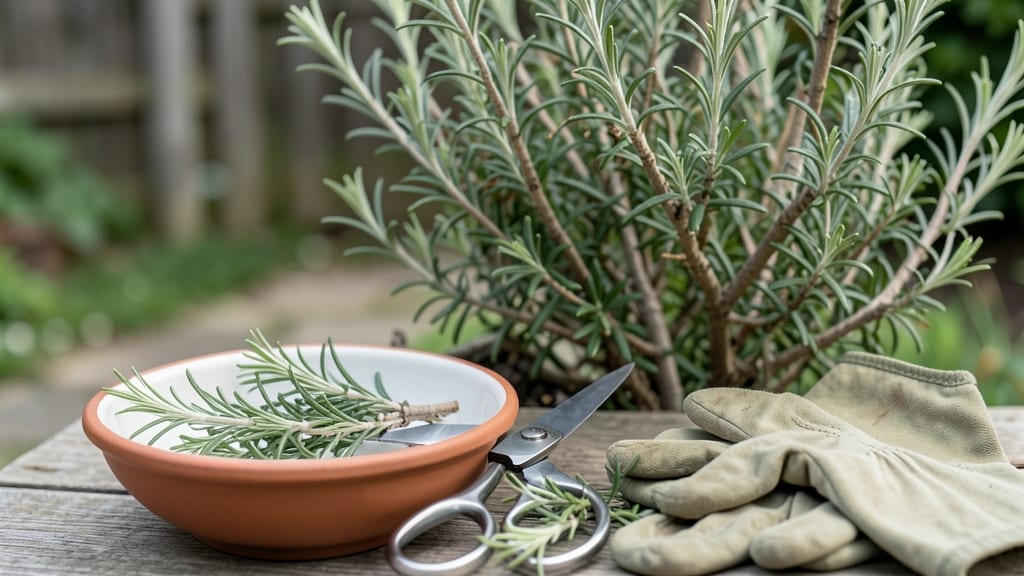
Harvesting rosemary properly means cutting stems just above a leaf node to encourage bushier growth while keeping the plant healthy and flavorful.
Rosemary isn’t just a kitchen staple—it’s a hardy perennial that rewards proper harvesting with lush growth and intense flavor. But prune too much or too little, and you’ll either stifle its potential or weaken the plant entirely.
Timing matters most: spring is the sweet spot, when new growth is firm and fragrant, but avoid harvesting in late summer when the plant is prepping for dormancy. A sharp pair of pruners and a light touch are all you need to keep your 🌿 rosemary thriving for years.
Below, I’ll walk you through the exact steps—from when to cut to how to store your harvest—so you never waste a sprig or risk killing your plant. Ready to turn pruning into a game-changer?
When and how to harvest rosemary for maximum flavor and plant health
Rosemary thrives when you harvest it at the right time—before flowering for peak flavor and new growth for bushier plants. The key is balancing your needs with the plant’s health, because cutting too much can stress it, while neglecting pruning leads to woody stems and sparse foliage.
I’ve learned that timing matters just as much as technique, and mastering both will keep your rosemary lush and fragrant for years.
Spring and fall are the best seasons to harvest rosemary, as the plant enters active growth phases. In spring, focus on new non-flowering shoots to encourage dense foliage, while fall harvests help prepare the plant for winter dormancy.
Avoid cutting during extreme heat or cold, as these stress periods can weaken the plant and reduce its resilience.
- 📅 Timing: Harvest in spring or fall when growth is active.
- ✂️ Stem Selection: Choose non-flowering stems with 3-4 leaf nodes.
- 🌱 Cutting Technique: Use clean pruners at a 45-degree angle above a leaf node.
- 🌿 Avoid Flowering: Never cut flowering stems—they drain energy from foliage.
- 💧 Post-Harvest Care: Water deeply after pruning to encourage new growth.
For maximum flavor, always harvest rosemary before flowering. The essential oils that give rosemary its signature aroma peak in the younger stems, so avoid cutting into woody, mature branches.
I’ve noticed that stems with 3-4 leaf nodes provide the best balance of flavor and plant health, as they’re mature enough to regrow but still tender.
When selecting stems, look for dark green leaves and slightly woody but flexible branches. If the stems feel brittle or the leaves are pale, the plant may be stressed or over-mature.
In my garden, I avoid cutting more than one-third of the plant at once, as this prevents shock and encourages bushier regrowth.
The cutting angle matters too—always snip just above a leaf node at a 45-degree angle to promote faster healing and new shoot development. I use sterilized pruners to prevent disease spread, and I never pull stems by hand, as this can tear the plant and leave it vulnerable to pests.
After harvesting, never discard the cuttings. Bundle them and hang them upside down in a dry, dark place for 1-2 weeks to dry into fragrant sprigs. This method preserves the aromatic oils and extends the herb’s shelf life.
I’ve found that dried rosemary retains its flavor for up to 6 months when stored properly.
One common mistake I see is over-pruning in summer, when rosemary is already heat-stressed. The plant conserves energy during hot months, so aggressive harvesting can weaken it. Instead, focus on light maintenance pruning to shape the plant and remove any dead or diseased branches.
If your rosemary becomes leggy or woody, it’s a sign of under-pruning. To revive it, cut back one-third of the oldest growth in early spring. This encourages fresh, flavorful shoots to replace the woody stems. I’ve successfully rejuvenated several overgrown rosemary bushes using this method.
Finally, always water deeply after pruning to help the plant recover. Rosemary is drought-tolerant, but it still needs moisture to establish new growth. I water mine once a week in the morning, giving it enough to soak the soil 6 inches deep without waterlogging.
With these techniques, your rosemary will stay healthy, flavorful, and productive for seasons to come—no more sad, woody bushes! 🌱✂️🌿
Step-by-Step guide: harvesting rosemary without damaging the plant
Harvesting rosemary correctly ensures you get the most flavorful sprigs while keeping your woody plant thriving. The key? Timing, technique, and post-harvest care—not just grabbing stems willy-nilly.
I’ve pruned rosemary for years, and I’ll show you exactly how to do it without turning your plant into a sad, leggy stick.
First, gather your tools: a pair of sharp pruning shears (clean and sanitized) or clean scissors. Avoid tearing stems, as this damages the plant and invites disease. The best time to harvest is in the morning after the dew has dried, when essential oils are at their peak.
Never harvest more than one-third of the plant at once, or you’ll shock its growth.
- 🌿 Step 1: Choose the Right Stems
Select non-flowering sprigs with dark green leaves. Flowering stems lose their aromatic intensity and should be removed entirely to encourage bushier growth. - 🪴 Step 2: Cut at a 45-Degree Angle
Use your shears to make a clean cut just above a leaf node (where leaves meet the stem). This encourages new growth from that spot. Avoid cutting too close to the base. - ✂️ Step 3: Prune for Shape
Trim back overly long stems to maintain a compact, bushy shape. Focus on the outer edges first to open up the plant’s center for airflow. - 💧 Step 4: Water Lightly After Harvesting
Give your rosemary a light drink of water to help it recover. Avoid heavy watering, as rosemary hates soggy roots. Stick to well-draining soil always. - 🌱 Step 5: Revive Leggy Rosemary
If your rosemary looks tall and sparse, it’s time for a hard prune. Cut back one-third of the plant to just 4-6 inches above the base. New growth will sprout from the base, creating a fuller plant.
If your rosemary is overgrown or woody, don’t panic—it’s not dead! A renewal prune in early spring can bring it back to life. Simply trim back all the old, bare stems down to healthy green growth. Within weeks, you’ll see fresh, vibrant shoots emerging.
For year-round harvesting, avoid cutting in late summer or fall if you’re in a cold climate. New growth won’t have time to harden off before winter, and frost can damage tender stems. Instead, focus on spring and early summer harvests for the best flavor and plant health.
After harvesting, store sprigs properly to preserve their aroma. Bundle stems and hang them upside down in a dry, dark, well-ventilated space for 1-2 weeks to dry. Or, place them on a paper towel-lined tray in the sun for 3-5 days.
Once fully dried, strip the leaves and store them in an airtight container away from light.
With these steps, your rosemary will stay lush, aromatic, and productive for years—no sad, bare branches in sight! 🌿