
How To
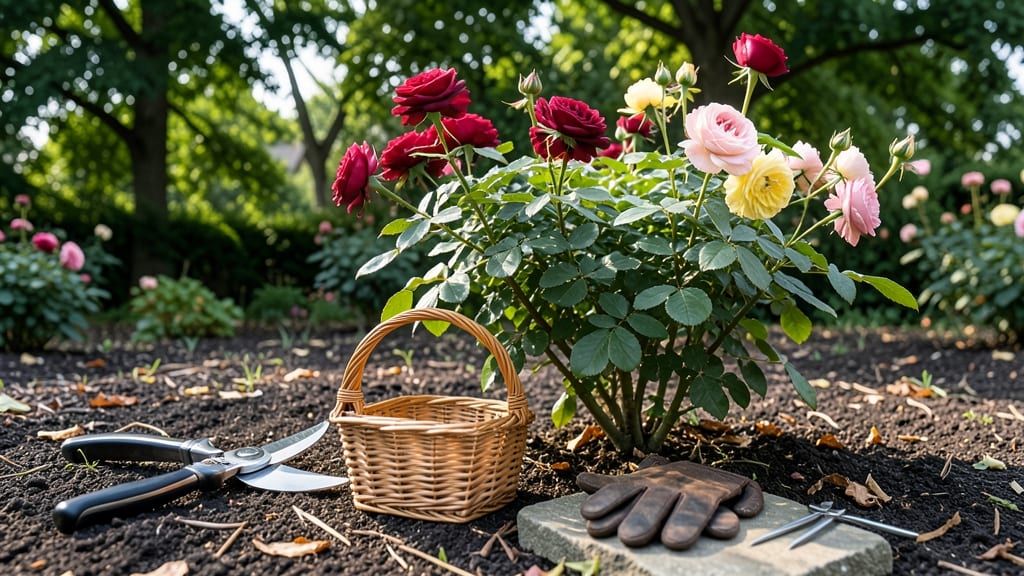
To harvest roses at their peak, cut stems just above a leaf node or outward-facing bud when blooms are fully open 🌹 — this simple technique keeps your bushes thriving and your bouquets lasting longer.
Picture this: You’ve spent months nurturing your roses, and now you’re ready to enjoy their beauty—only to wonder if you’re picking them at the right moment. Harvest too early, and you’ll end up with droopy stems; too late, and the petals start to fall.
The secret lies in timing, tools, and a few pruning tricks that’ll make your roses bloom like crazy.
Whether you’re after longer vase life or fewer thorns while cutting, this guide covers everything from the best time of day to harvest to how seasonal changes affect your rose bushes.
You’ll learn which blooms to leave on the plant for next year’s flowers and how to avoid common mistakes that leave your roses looking sad.
By the end, you’ll know exactly when to snip, how to encourage more blooms, and why your roses will thank you with bigger, healthier flowers season after season.
When and how to harvest roses for maximum blooms
Timing your rose harvest correctly can transform your garden from a few scattered blooms to a continuous display of vibrant flowers. The key lies in understanding when each rose variety reaches its peak—whether it's the delicate petals of hybrid teas or the clustered blooms of floribundas.
Harvesting at the right moment not only extends your flowering season but also keeps your roses healthy and thorn-free.
For most rose types, the best harvest window is late spring through early fall, but the exact timing depends on your climate zone and rose variety. Hybrid teas, known for their single, showy blooms, should be harvested when their petals are fully unfurled but still tightly closed at the center. Floribundas, which produce clusters of smaller blooms, thrive when you harvest them at 50% bloom to encourage more flowers.
Climbing roses, with their long, arching canes, require a slightly different approach. These beauties should be harvested when individual blooms are fully open but still firm to the touch. The goal is to promote lateral growth and prevent the plant from expending energy on seed production.
Remember, morning harvests yield the freshest, most fragrant blooms with stems that last longer in vases.
| Rose Type | Optimal Harvest Time | Best Bloom Stage | Tools Needed |
|---|---|---|---|
| Hybrid Teas | Late morning (9-11 AM) | Fully unfurled petals, center still closed | Bypass pruners, sharp shears |
| Floribundas | Early morning (6-8 AM) | 50% bloom (half-open) | Clean pruning shears, gloves |
| Climbing Roses | Mid-morning (10 AM) | Fully open, firm petals | Long-handled loppers, pruning saw |
| All Types | Avoid afternoon heat | Healthy green stems, no disease | Disinfect tools with rubbing alcohol |
The right harvesting tools make all the difference. Bypass pruners are my go-to for hybrid teas and smaller floribundas because they provide clean cuts without crushing stems. For thicker canes like those on climbing roses, I rely on long-handled loppers to reach high branches safely.
Always disinfect your tools with rubbing alcohol between cuts to prevent spreading diseases like black spot.
When harvesting, aim to cut stems at a 45-degree angle, about 1/4 inch above a leaf node. This angled cut increases the stem's surface area, allowing it to absorb more water and extend vase life.
Remove any spent blooms and seed pods immediately—they signal the plant to stop producing flowers and focus on seed development. This practice, called deadheading, is the secret to non-stop blooms all season.
For rose hips, which form after blooms fade, wait until they're fully ripe in late summer or fall. These nutrient-rich hips are perfect for tea, jellies, or wildlife food. To harvest, simply twist the hip gently until it separates from the stem.
Avoid cutting too close to the main cane, as this can weaken the plant. Organic rose hips are a fantastic addition to your garden's sustainability efforts!
If you're harvesting roses for cut flower arrangements, always choose stems with fully unfurled petals and remove any leaves that will sit below the waterline.
A quick trim at the base and a change of water every 2-3 days will keep your bouquets fresh for up to 10 days. For longer-lasting blooms, add a splash of bleach or floral preservative to the water to prevent bacterial growth.
One of my biggest harvesting mistakes was cutting roses too late in the day. The heat causes stems to transpire rapidly, leading to wilted blooms by morning. Now, I religiously harvest in the cool morning hours when stems are hydrated and fragrance is strongest.
This simple habit has doubled my vase life and kept my roses looking their best.
Finally, never harvest more than 1/3 of the blooms from any single plant at once. Over-harvesting stresses roses and can reduce next year's blooms. Balance is key—remove enough to enjoy your garden but leave plenty for the plant to replenish and thrive
Pruning techniques to encourage longer blooms with less thorns
Pruning roses isn't just about shaping your plants—it's a strategic way to extend blooming season and reduce thorn production. By mastering the right techniques, you can encourage longer stems and healthier growth while making your roses easier to handle.
The key lies in cutting angles, seasonal timing, and deadheading methods that keep your roses thriving without overwhelming you with thorns.
Thorns develop more aggressively when roses experience stress, like improper pruning or overcrowding. By focusing on thornless cutting angles and maintaining plant vigor, you'll create a more manageable and beautiful garden. Start with these foundational techniques to transform your rose care routine and enjoy continuous blooms all season long.
-
1Use 45-degree angles for cuts—this promotes thornless growth and directs energy to new shoots. Avoid cutting flush to the stem, which encourages thorn production.
-
2Deadhead spent blooms immediately after flowering to redirect energy to new buds. For hybrid teas, cut back to the first 5-leaflet leaf below the bloom.
-
3Prune in early spring (just as new growth begins) to remove weak or crossing branches. This opens the plant to better airflow and reduces disease.
-
4Thin out crowded canes to reduce competition. Remove 1/3 of the oldest canes annually to encourage younger, thornless growth and stronger blooms.
-
5Avoid summer pruning unless removing dead or diseased wood. Heavy pruning in summer can stress the plant and lead to more thorns as it recovers.
Seasonal pruning is critical for maintaining plant vigor and reducing thorns. In late winter, focus on structural pruning—removing dead wood and shaping the plant. This is the best time to open the center of your rose bush, allowing sunlight to penetrate and encourage thornless growth.
During the growing season, prioritize deadheading to keep your roses in continuous bloom. For floribunda roses, cut back to the first healthy leaf below the spent bloom.
This simple step ensures your plant focuses energy on producing new buds rather than seeds, which can exhaust the plant and increase thorniness.
For climbing roses, use a different approach: prune to encourage long, flexible canes. Cut back overgrown branches by 1/3 in early spring, and tie new growth to supports as it develops. This method promotes longer stems with fewer thorns, perfect for trellises and arbors.
Finally, always sterilize your pruners with rubbing alcohol between cuts to prevent disease spread. Healthy roses with proper pruning will reward you with longer blooms, fewer thorns, and easier maintenance all season long. 🌹✂️