
How To
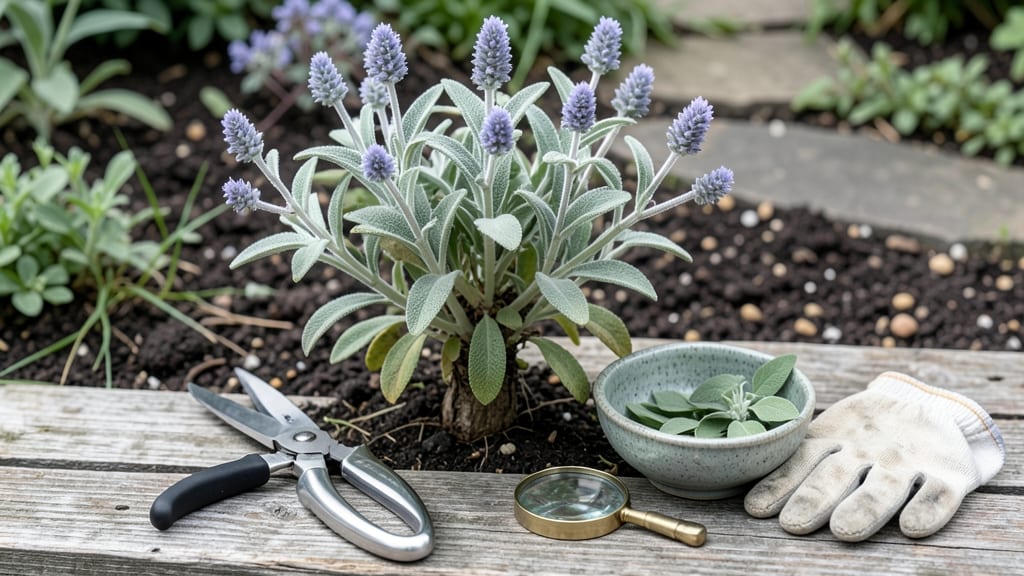
Harvesting sage leaves at the right time ensures your plant stays healthy and your kitchen stays stocked with flavorful greens all season.
Fresh sage leaves add unmatched flavor to dishes, but knowing when and how to harvest them properly ensures your plant stays healthy—and your kitchen stocked with aromatic greens all season long.
If you’ve ever plucked a leaf only to find it woody and flavorless, you know timing is everything. The best time to harvest is when the leaves are fully developed but before the stems turn hard, usually between June and October in Zone 6a.
In this guide, I’ll walk you through the best techniques for cutting sage leaves—whether to snip from the top or sides—and how to encourage regrowth so your 🌿 sage plant thrives for years to come.
When to harvest sage leaves: identifying the best time & signs
Harvesting sage leaves at the right time ensures maximum flavor and aroma while keeping your plant healthy. The key is timing—wait too long, and the leaves turn bitter, while harvesting too early means sparse yields. I’ve learned that leaf pairs doubling and woody stems are the two most reliable indicators.
Sage thrives in USDA Zone 6a, where the growing season runs from June to October. For optimal harvests, focus on late spring through early fall when the plant is actively growing. Morning hours are ideal because the leaves are hydrated and packed with essential oils.
Avoid harvesting when the plant is stressed—after heavy rain or during extreme heat. I once harvested sage in the afternoon during a heatwave, and the leaves lost their aromatic punch within hours. Early morning harvests preserve flavor and moisture.
Here’s a quick visual guide to help you identify the perfect harvest window:
| Sign | Description | Action |
|---|---|---|
| Leaf Pairs | Pairs of leaves have fully developed and doubled in size. | Harvest now for peak flavor. |
| Woody Stems | Stems are thick but still flexible, not brittle. | Prune back to encourage bushier growth. |
| Height | Plant reaches 12-18 inches tall. | Harvest outer leaves first. |
| Flowering | Budding flowers appear (harvest before blooms open). | Stop harvesting to preserve plant energy. |
| Aroma Test | Leaves emit a strong, earthy scent when crushed. | Perfect time to harvest! |
One common mistake I see is harvesting sage leaves when the stems become too woody. If the stems snap instead of bending, the flavor has already diminished. Flexible stems indicate the plant is still producing high-quality leaves.
Seasonal timing matters too. In spring, focus on harvesting new growth after the last frost (April 15 in Zone 6a). By summer, the plant is at its peak, and you can harvest more frequently—every 2-3 weeks—to encourage bushier regrowth.
Fall is trickier. As temperatures drop, sage slows down. Harvest leaves before the first frost (October 30 in Zone 6a) to avoid bitter flavors. I always make sure to harvest any remaining leaves by mid-October and dry them for winter use.
If your sage plant is over-mature, the leaves may turn yellow or develop a dull aroma. This happens when stems become brittle and the plant focuses energy on flowering. In this case, prune back 1/3 of the plant to stimulate new growth.
Pro tip: Always harvest from the sides first to avoid damaging the center. Use clean, sharp pruning shears or your fingers to pinch leaves. This method encourages the plant to grow fuller and more productive.
Remember, consistent harvesting keeps sage plants healthy and productive. With the right timing, you’ll enjoy fresh, fragrant leaves all season long—no bitter surprises! 🌿
Step-by-step sage leaf harvesting techniques for maximum yield
Harvesting sage leaves at the right time and with the right technique ensures your plant thrives while giving you the freshest, most flavorful greens. The key is to focus on leaf pairs and avoid cutting into woody stems, which can stress your plant.
Whether you prefer hand-pinching or clean scissor cuts, the goal is the same: encourage bushier, more productive growth.
Timing matters most—harvest in the morning after dew dries when leaves are hydrated and oils are concentrated. Avoid harvesting after heavy rain or late in the day, as this can lead to leaf damage or fungal issues.
For best results, prioritize new growth near the tips of stems, leaving at least one leaf pair behind to support regrowth.
How to Harvest Sage Leaves
- Step 1: Choose Your Tool Use clean, sharp pruning shears or your fingers for hand-pinching.
- Step 2: Locate Leaf Pairs Identify opposite leaf pairs near stem tips—these are prime for harvesting.
- Step 3: Make the Cut Cut just above a leaf pair at a 45-degree angle to prevent water pooling.
- Step 4: Avoid Woody Stems Never harvest from stems that feel hard or woody—focus on flexible, green growth.
- Step 5: Encourage Bushiness Trim 1/3 of the plant in early spring to promote dense foliage.
- Step 6: Clean Up Remove any yellow or damaged leaves to keep your sage healthy.
When harvesting, always leave at least one leaf pair on each stem to ensure the plant can continue photosynthesizing and growing. If you’re harvesting for culinary use, focus on the younger leaves, as they’re more tender and flavorful.
For drying or long-term storage, you can harvest slightly older leaves, but avoid anything that’s turning brown or brittle.
To maximize yield, harvest every 4-6 weeks during the growing season (spring to early fall). Regular harvesting encourages new growth and prevents the plant from becoming overly woody. If you notice your sage producing flower buds, trim them immediately—they divert energy away from leaf production.
After harvesting, rinse the leaves gently under cool water to remove dirt, then pat them dry with a paper towel or let them air-dry. Store them in the fridge wrapped in a damp paper towel for up to a week, or dry them for longer storage.
With the right technique, your sage plant will reward you with abundant, aromatic leaves all season long.
Pro tip: If your sage looks leggy or sparse, a hard prune in early spring can rejuvenate it. Just cut back 1/3 of the plant to encourage bushier regrowth—your plant will thank you with a lush, productive harvest! 🌿