
How To
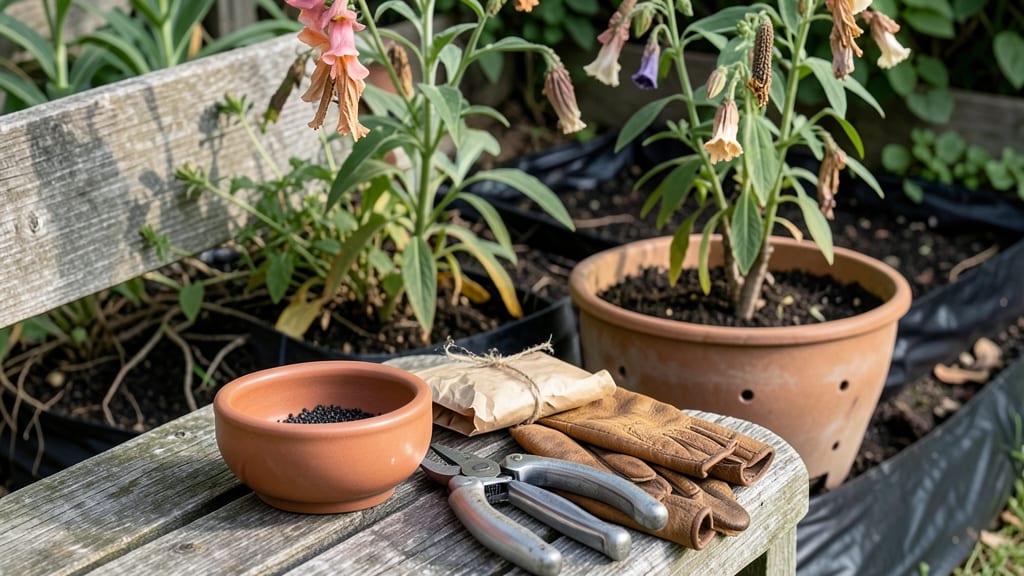
To harvest snapdragon seeds, you’ll need to catch those crisp brown pods at just the right moment—when they’re dry enough to crack open but not so old they’ve scattered their treasure.
Picture this: You’ve spent all spring nurturing your 🌸 snapdragons, and now the flowers are fading, leaving behind pods that look like tiny, dried-up fingers. One wrong move, and those seeds vanish—gone before you even know they were there.
But with the right timing, you’ll unlock a stash of seeds ready to grow next year’s vibrant blooms.
This isn’t just about waiting for the pods to turn brown—it’s about knowing when they’re perfectly ripe, how to collect them without losing a single seed, and storing them so they stay viable until planting season.
Skip a step, and you might end up with shriveled seeds that won’t sprout.
In this guide, I’ll walk you through the exact signs to look for, the tools that make harvesting a breeze, and the simple storage tricks that keep your seeds fresh for years. No more wasted pods—just a steady supply of snapdragons for your garden.
When to harvest snapdragon seeds: recognizing the perfect pod ripeness
Harvesting snapdragon seeds at the right moment ensures high germination rates and saves you from wasted effort. The key lies in watching for visual cues that signal maturity—like color shifts and texture changes.
Miss this window, and your seeds may lose viability or scatter before you can collect them. Let’s break down how to spot the perfect pod ripeness so you never miss another harvest.
Snapdragon seed pods start as green and firm after flowers fade. As they mature, they transition to a dull brown color and develop a papery, crisp texture. This shift happens 60-90 days after planting, depending on your climate zone.
In cooler regions (USDA zones 3-5), pods may take longer to dry, while warmer zones (7-10) see faster maturation. Paying attention to these color and texture changes is your best tool for timing.
| Stage | Pod Appearance | Touch Test | Action |
|---|---|---|---|
| Early (Green) | Bright green, firm | Feels moist, no rattle | Wait 2-4 weeks |
| Mid (Brown-Striped) | Brown stripes, slightly dry | Slightly crisp, faint rattle | Monitor daily |
| Late (Fully Brown) | Uniform brown, papery | Crisp, seeds rattle loudly | Harvest immediately |
A common mistake is harvesting too early, which results in underdeveloped seeds that won’t germinate. Conversely, leaving pods too long on the plant risks seed scattering or mold growth from humidity. To avoid these pitfalls, I recommend checking pods every 2-3 days once they turn brown.
Gently squeeze a pod—if it opens easily and seeds rattle inside, it’s ready. If not, wait another day or two.
Climate plays a huge role in timing. In hot, dry climates (like Southern California), pods may dry in as little as 4-6 weeks after flowering. In cooler, humid regions (like the Pacific Northwest), they can take 8-10 weeks.
If rain is forecasted, harvest early to prevent mold or rot. For me, living in USDA Zone 7, I aim to harvest between late August and early September to catch the sweet spot before fall rains arrive.
Another telltale sign is the death of surrounding foliage. As the plant redirects energy to seed production, leaves near the pod will yellow and wither. This is nature’s way of signaling it’s time to collect.
I’ve found that deadheading spent blooms early in the season encourages more pods to form, giving you a larger harvest window later. Just be sure to leave a few flowers to mature for seeds if you want to save them.
Harvesting at the right time also depends on your variety of snapdragon. Tall varieties (like ‘Black Knight’) often produce pods 2-3 weeks earlier than dwarf types (like ‘Tom Thumb’). Keep notes on your plants’ maturity patterns each year to refine your timing.
For example, my ‘Rocket’ series always ripens 10 days faster than my ‘Matrix’ hybrids, so I prioritize those pods first.
Once pods are ready, use clean, sharp pruners to snip them from the stem. Avoid pulling or twisting, which can damage the plant or cause seeds to spill. Place pods in a paper bag (not plastic) to allow airflow while they finish drying indoors.
Store them in a cool, dry place (like a seed envelope) for up to 3 years. Proper drying is critical—if pods stay moist, seeds may develop mold or fail to sprout.
If you’re unsure whether a pod is ready, perform the float test: Drop a seed into water. If it sinks, it’s viable; if it floats, it’s too dry. This trick has saved me from wasting time on non-viable seeds.
For extra peace of mind, I always harvest a few pods early and test their germination rate before committing to full collection. This way, I know I’m getting the best possible seeds for next year’s garden.
Remember, snapdragon seeds are light-sensitive, so store them in opaque containers to prevent premature germination. Label each variety and note the harvest date—this helps track performance over time.
With practice, you’ll develop an instinct for the perfect moment to harvest, ensuring a reliable seed supply for seasons to come. 🌱
Snapdragon seed collection hacks: maximizing yield & storage longevity
Once you’ve identified those perfectly ripe snapdragon seed pods, the next challenge is collecting seeds efficiently without wasting a single one. The key lies in timing your harvest just right—too early, and the seeds won’t germinate; too late, and they’ll scatter on their own.
I’ve found that morning harvests work best when pods are fully dry but before humidity spikes. Grab a pair of clean pruning shears or your fingers to gently snip or pluck the pods directly into a paper bag—this prevents seeds from flying away in the breeze.
After harvesting, the real magic happens in the drying process. Spread your pods on a screens or mesh tray in a warm, dry spot (like a sunny windowsill or under a fan). Avoid direct sunlight, which can overheat them—think indirect light and good airflow.
I like to label each bag with the variety name and harvest date using a permanent marker and masking tape. This saves headaches later when you’re ready to plant.
🌱 Pro Tip: How to Harvest Snapdragon Seeds
- Timing: Harvest when pods are fully brown and crisp (squeeze gently—they should open easily).
- Tools: Use paper bags or envelopes to catch seeds as pods open naturally.
- Drying: Lay pods on mesh screens for 1–2 weeks in a dry, shaded spot.
- Storage: Store seeds in airtight containers with a silica gel packet to absorb moisture.
Humidity is the silent enemy of seed storage longevity. If your climate is damp, consider adding a small silica gel packet to your storage container—it’s a game-changer for keeping seeds viable for 2–3 years.
I store mine in glass jars with tight-sealing lids in a cool, dark pantry. Pro tip: Test germination after a year by planting a few seeds. If they sprout, your storage method is working!
For large batches, I’ve taken to using DIY drying racks made from wooden frames and window screen. This keeps pods elevated and ensures even airflow on all sides. If you’re short on space, a hanging mesh bag works too—just tie it securely to a hook or shelf.
The goal is to prevent mold and rot, so avoid stacking pods in piles where moisture can trap.
Labeling isn’t just about organization—it’s about preserving genetic traits. If you’re growing multiple snapdragon varieties, like ‘Black Knight’ or ‘Apple Blossom,’ mix-ups can happen fast. I use color-coded tags for each variety and jot down notes like bloom color and height.
This way, you can recreate your dream garden next season without guesswork.
One final hack: Freeze-dried seeds last even longer. After drying, spread seeds on a tray and freeze them for 24 hours before storing. The cold shock kills any lingering pests or fungi while preserving viability.
Just thaw them before planting—no need to defrost fully. With these tricks, you’ll turn your snapdragon harvest into a year-round seed bank ready for your next gardening adventure.