
How To
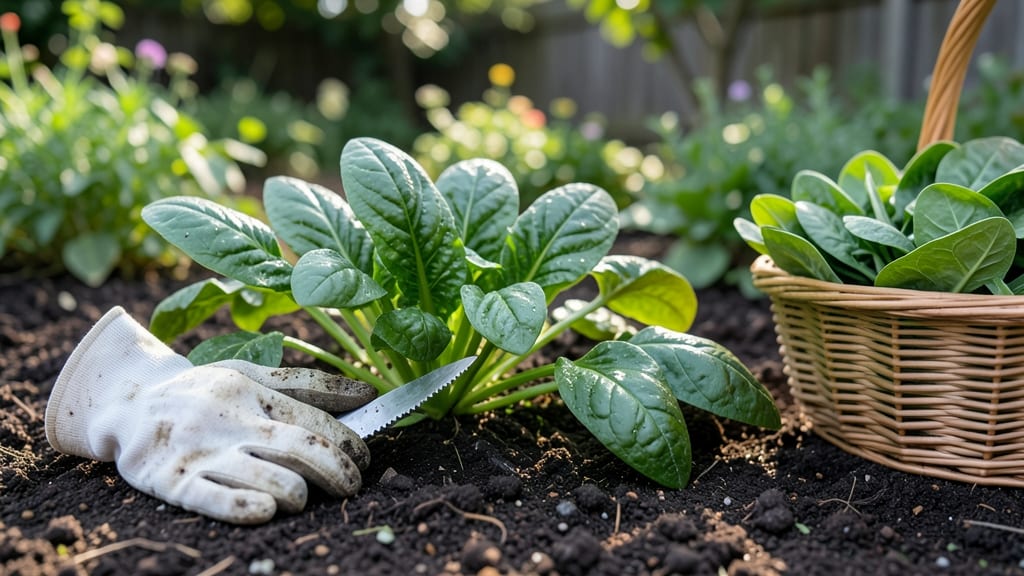
To harvest spinach so it keeps growing, focus on trimming just the outer leaves while leaving the center intact—this simple trick keeps your 🍃 plants producing for weeks.
Struggling to keep your spinach thriving after harvest? The secret to continuous growth lies in how—and when—you pick those tender leaves. Learn the exact technique that turns one-time harvests into a never-ending supply of fresh spinach.
Most gardeners make the mistake of cutting too much at once or grabbing the wrong leaves, which stunts regrowth. By harvesting only the largest outer leaves every 2-3 weeks, you encourage the plant to focus energy on new growth instead of flowering.
Below, I’ll walk you through the step-by-step method for harvesting spinach without sacrificing future yields, plus tips to keep your soil healthy and your plants happy for a prolonged harvest season.
Why cutting outer leaves first maximizes spinach regrowth
Spinach thrives on a clever trick: harvesting outer leaves first instead of plucking from the center. This simple technique isn't just a gardening hack—it's rooted in plant biology.
By removing mature outer leaves, you signal the plant to focus energy on producing new growth from the center, creating a bushier, more productive plant. The key is balance: too much at once stresses the plant, while strategic trimming keeps it flourishing for weeks or even months.
When you leave the inner leaves untouched, they remain the plant's energy source. These younger leaves, still connected to the roots, receive nutrients and sunlight to grow larger.
This method prevents bolting (when spinach prematurely flowers) and ensures your harvest stays tender and abundant. Think of it like pruning a bush—you're shaping growth, not destroying it.
Here's the science: spinach grows in a rosette pattern, with older leaves on the outside. These outer leaves have already completed their growth cycle and won't regenerate. Removing them reduces competition for resources, allowing the plant to redirect energy to younger, more productive leaves in the center.
It's like giving your spinach a fresh start every time you harvest.
- 1. Identify mature outer leaves: Look for leaves 4-6 inches long with deep green color. These are ready for harvest.
- 2. Use clean scissors or pruners: Cut leaves 1 inch above the base to avoid damaging new growth.
- 3. Leave the center intact: Never remove more than 1/3 of the plant at once to prevent stress.
- 4. Harvest every 2-3 weeks: Consistent trimming encourages continuous regrowth throughout the season.
- 5. Monitor for bolting: If the plant sends up flower stalks, harvest immediately to redirect energy to leaves.
The ideal leaf size for harvesting is 4-6 inches long. Smaller leaves are still growing and should stay on the plant. When you harvest larger outer leaves, you're essentially pruning the plant to encourage bushier growth.
This spacing also improves air circulation, reducing the risk of fungal diseases like downy mildew that thrive in crowded, damp conditions.
Another critical factor is spacing between harvests. Give your spinach 2-3 weeks between harvests to recover and produce new growth. During this time, the plant focuses on regenerating leaves from the center.
If you harvest too frequently, you'll exhaust the plant's energy reserves, leading to stunted growth or bolting. Think of it like giving your spinach a chance to recharge its batteries between uses.
Leaving the center leaves untouched is non-negotiable. These younger leaves contain the plant's growth meristems, which are responsible for producing new leaves. When you remove outer leaves, you're creating space for these meristems to expand and develop into larger, more abundant leaves.
It's like making room in a crowded room—everything has space to grow and thrive.
Proper harvesting also maintains the plant's overall health. When you remove only mature outer leaves, you're not disrupting the plant's natural growth cycle. The remaining leaves continue to photosynthesize, providing energy for new growth.
This method also reduces stress on the plant, which can lead to bolting or other growth problems. Healthy plants are more productive plants.
For best results, harvest in the morning when leaves are crisp and full of moisture. This timing ensures you get the freshest leaves and allows the plant to recover during the day.
Avoid harvesting after heavy rain or when leaves are wet, as this can increase the risk of disease. Always use clean, sharp tools to make precise cuts that heal quickly.
One common mistake is harvesting leaves that are too small. While baby spinach leaves are delicious, removing them too early can stunt the plant's growth. Wait until leaves reach at least 4 inches before harvesting.
This ensures the plant has enough energy to produce new growth. Remember, the goal is to encourage regrowth, not to harvest everything at once.
By following this method, you'll enjoy a continuous supply of fresh spinach throughout the growing season. Whether you're growing spinach in your garden, containers, or even indoors, this technique works wonders.
The key is patience and consistency—give your spinach the care it needs, and it will reward you with bountiful harvests all season long. 🍃
Step-by-step guide: how to harvest spinach without stunting growth
Harvesting spinach the right way transforms a single harvest into a continuous supply of fresh leaves. The key? Selective trimming that protects the plant’s growth center while providing you with tender greens. I’ve perfected this method over years of garden trials—here’s exactly how to do it without stressing your plants.
Start harvesting when your spinach leaves reach 4-6 inches in length, typically 30-45 days after planting. At this stage, the outer leaves are mature enough to pick while the inner leaves remain small and tender.
This selective approach ensures your plant keeps producing new growth instead of bolting or slowing down.
Step-by-Step Spinach Harvesting Guide
- Step 1: Identify Mature Leaves Look for outer leaves that are 4-6 inches long and deep green. These are ready to harvest while leaving the inner baby leaves untouched.
- Step 2: Use Clean, Sharp Tools Grab a pair of pruning shears or clean kitchen scissors. Dull tools can damage leaves and invite disease.
- Step 3: Trim Just Above a Leaf Node Cut the outer leaves about 1 inch above where the leaf meets the stem. This encourages new growth from that node.
- Step 4: Never Remove More Than 1/3 Avoid taking more than one-third of the plant at once. This rule prevents stress and bolting while keeping production steady.
- Step 5: Harvest Every 2-3 Weeks Repeat the process every 2-3 weeks during the growing season. Consistency is key to maintaining a steady supply of spinach.
- Step 6: Adjust for Seasonal Changes In hot weather, harvest more frequently to prevent bolting. In cool seasons, you can space harvests slightly further apart.
- Step 7: Fertilize After Harvesting Apply a balanced fertilizer (10-10-10) after each harvest to replenish nutrients. This supports regrowth and vigor.
Pro tip: Always harvest in the morning when leaves are crisp and hydrated. This ensures the best flavor and texture while minimizing stress on the plant. Avoid harvesting after rain or in extreme heat, as this can damage tender leaves.
If your spinach starts to bolt (send up flower stalks), it’s a sign you’ve waited too long. Bolted spinach becomes bitter and woody, so always prioritize regular, selective harvesting over letting leaves get too large. With this method, you’ll enjoy fresh spinach for weeks—not just once!
For container growers, the same rules apply: trim outer leaves, leave the center, and harvest every 2-3 weeks. Just be extra gentle with potted plants, as their root systems are more limited. A little care goes a long way in maximizing your yield!