
How To
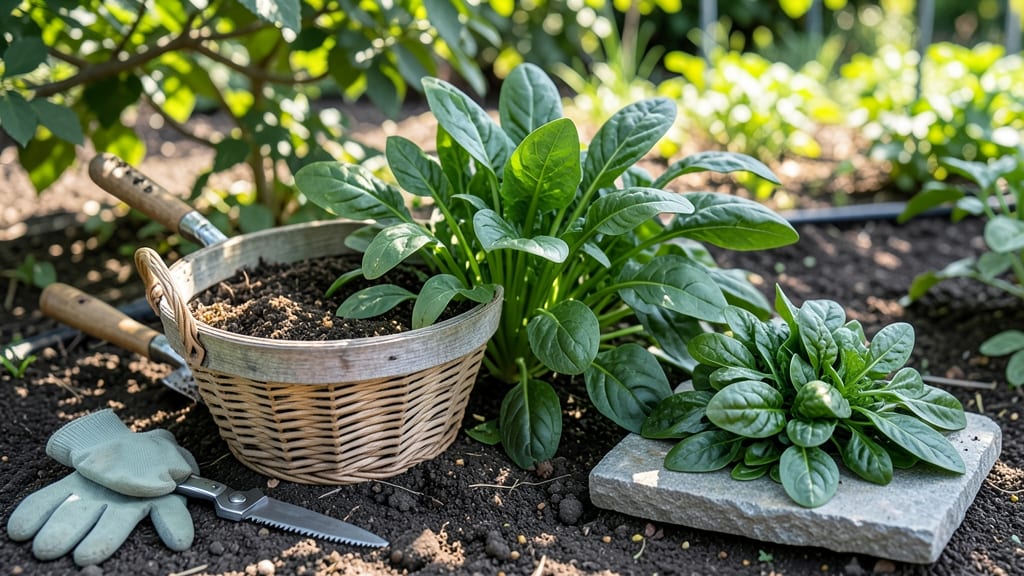
To harvest spinach properly, you’ll use the cut-and-come-again method—a simple technique that keeps your 🍃 thriving for weeks instead of just one harvest.
Spinach is one of the fastest-growing leafy greens in your garden—but if you harvest it wrong, you’ll lose your entire crop in days. The key is timing and technique: cut outer leaves when they’re 4-6 inches long, leaving the inner growth intact.
Why does this matter? Because most gardeners either yank the whole plant or wait too long, turning tender leaves bitter. The right approach ensures a steady supply without sacrificing plant health.
Below, I’ll walk you through the exact steps—when to harvest, how to cut for regrowth, and tools to use—so you can enjoy fresh spinach all season long.
When and how to harvest spinach for maximum yield
Timing your spinach harvest is everything—wait too long, and your leaves turn bitter or bolt. Harvest too early, and you miss out on flavor and yield. The sweet spot is when leaves reach 4-6 inches long with bright green color and tender stems about 1/4-inch thick.
This usually happens 30-45 days after planting, depending on your variety and climate.
Weather plays a critical role too. Avoid harvesting during hot afternoons when leaves wilt easily. Instead, pick on cool mornings after dew has dried but before the sun peaks.
This preserves crispness and makes cutting cleaner. If you're harvesting in fall, watch for early frosts—spinach can tolerate light frosts but becomes tough and stringy if frozen.
Now, let's talk technique. The cut-and-come-again method is your best friend for continuous harvests. This means cutting leaves 1-2 inches above the base while leaving the central growth point intact.
This encourages regrowth without damaging the plant's ability to produce new leaves. Never pull entire plants or cut too close to the soil—you'll stunt future growth.
For the cut-and-come-again method, focus on harvesting outer leaves first. This protects the younger inner leaves still growing and ensures your plant keeps producing. Space your cuts 2-3 inches apart to avoid overcrowding, which can lead to disease.
If you're growing baby spinach, you can harvest the whole plant when leaves are 2-3 inches tall, but this ends the plant's life cycle.
One common mistake is harvesting too aggressively. Never remove more than 1/3 of the plant's leaves at once. This rule applies even if your spinach looks abundant.
Over-harvesting stresses the plant, reduces future yields, and can invite pests. Think of it like trimming your hair—you wouldn't cut off half your head in one go, right?
After harvesting, rinse your spinach immediately in cool water to remove dirt and pests. Pat dry gently with a clean towel or salad spinner to prevent wilting.
Store harvested leaves in the crisper drawer of your fridge, wrapped in a damp paper towel, where they'll stay fresh for 5-7 days. For longer storage, consider blanching and freezing—this preserves nutrients and extends shelf life to months.
If your spinach starts to bolt (send up flower stalks), it's time for a final harvest. Bolted spinach becomes tough and bitter, but you can still enjoy it cooked or use the seeds for next year's crop.
To delay bolting, provide consistent moisture and partial shade during hot weather. Some varieties, like 'Bloomsdale Long Standing', are more heat-tolerant and bolt slower than others.
Remember, the key to a thriving spinach patch is balance. Harvest wisely, give your plants room to regrow, and you'll enjoy a steady supply of fresh, tender leaves all season long.
With the right timing and technique, you can turn a single planting into a nonstop harvest machine—no green thumb required!
Spinach regrowth secrets: tips to extend harvest season
After harvesting spinach, the real magic happens when you encourage those tender leaves to grow back. The cut-and-come-again method works wonders, but only if you give your spinach the right conditions. I’ve learned that soil nutrients, consistent watering, and sunlight balance are the three pillars of spinach regrowth.
Without them, your plant might bolt or produce bitter leaves instead of tender, fresh growth.
One of my biggest mistakes was assuming spinach would regrow on its own after a single harvest. I quickly realized that spring and fall harvests require different approaches.
In spring, spinach thrives with cooler temperatures and gentle care, while fall harvests need a bit more attention to soil health as temperatures drop. Let’s break down the proven strategies to keep your spinach producing for weeks, not just days.
🌱 How to Harvest Spinach for Regrowth
- Timing: Harvest when leaves reach 4-6 inches and are bright green.
- Technique: Use clean scissors to cut outer leaves at the base, leaving 1-2 inches of stem.
- Avoid: Never cut into the center rosette or pull entire plants.
- Frequency: Harvest every 2-3 weeks for continuous regrowth.
💡 Pro Tip: Always harvest in the morning for the freshest leaves and minimal stress on the plant.
First, focus on soil nutrients—spinach is a heavy feeder, especially after repeated harvests. I swear by a balanced fertilizer (like 10-10-10) applied every 4-6 weeks during the growing season. For spring harvests, a light feeding in early April gives your spinach the boost it needs.
In fall, a light compost top-dressing before the first frost helps roots store nutrients for next season.
Watering is another critical factor. Spinach needs consistent moisture, but too much water can lead to rot. I water mine early in the morning to give the soil time to dry slightly during the day.
In spring, aim for 1 inch of water every 2-3 days, while fall harvests might need slightly less as temperatures drop. Always check the top inch of soil—if it’s dry, it’s time to water.
Don’t overlook sunlight adjustments, especially in spring when days are shorter. Spinach prefers partial shade (4-6 hours of sun), but too much direct sun can cause bolting. If your spinach starts flowering early, provide some afternoon shade with a lightweight row cover or dappled shade from nearby plants.
In fall, extend the harvest season by protecting your plants from early frosts with a cold frame or row cover.
Finally, keep an eye on seasonal considerations. Spring harvests benefit from cool, moist soil, while fall harvests need well-draining soil to prevent waterlogging as rains increase. I’ve found that mulching with straw helps retain moisture in spring and protects roots in fall.
With these strategies, my spinach has regrown for 6-8 weeks after the initial harvest!