
How To
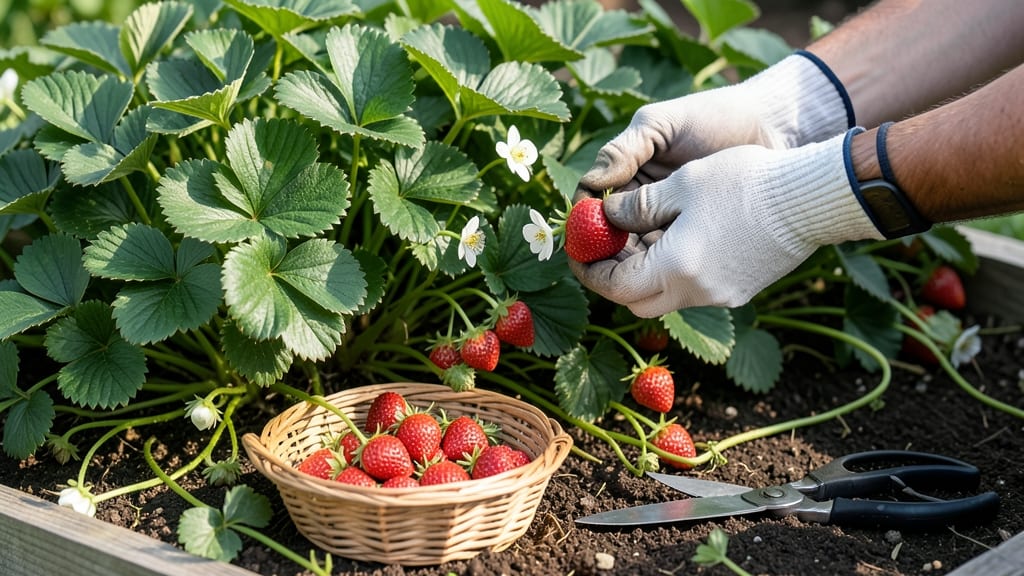
Harvesting strawberries at the perfect moment transforms your garden into a sweet, juicy treasure trove—if you know the right cues.
There’s nothing quite like the taste of a freshly picked strawberry 🍓—juicy, sweet, and bursting with summer flavor—but timing your harvest wrong can turn your bounty into a bitter disappointment.
Most gardeners assume strawberries are ready when they’re red, but the best flavor comes when they’re fully ripe and just soft enough to yield slightly when gently squeezed. Miss this window, and you’ll end up with berries that are either too tart or too mushy.
Below, I’ll walk you through the exact step-by-step process to pick strawberries without damaging the plant, plus pro tips to keep your patch producing all season long.
When to harvest strawberries for maximum sweetness and ripeness
Harvesting strawberries at the perfect moment transforms a simple fruit into a flavor explosion. The key lies in understanding the science of ripening, which combines color cues, physical indicators, and seasonal timing.
Unlike many fruits, strawberries don’t ripen further after picking, so timing is everything. I’ve learned that even a single day’s delay can turn sweet berries into mealy disappointments.
Strawberry varieties also play a role—June-bearing types produce one massive harvest, while everbearing varieties give smaller yields throughout the season. My Albion strawberries, for example, ripen in early summer, while Seascape everbearers produce berries from spring to fall.
Knowing your variety’s peak ripening window ensures you never miss the sweetest berries.
Weather is another critical factor. Cool nights and warm days (60-85°F) create the ideal ripening conditions, while extreme heat or rain can stress the plants and affect flavor. I’ve noticed that after a heatwave above 90°F, my strawberries ripen faster but taste less sweet.
This is because high temperatures speed up sugar conversion but can also cause sunburn or cracking.
Now, let’s break down the key ripeness indicators you should watch for. The most obvious sign is color change—fully ripe strawberries turn a deep, even red (or the color specific to your variety).
However, don’t rely solely on color, as some varieties like white strawberries or golden varieties ripen to different hues. Always combine color with other physical cues.
| Ripeness Indicator | What to Look For | Best Time to Harvest |
|---|---|---|
| Color | Deep, even red (or variety-specific hue) | Morning after full color develops |
| Firmness | Slightly soft when gently squeezed | Early morning (cooler temps preserve sweetness) |
| Seed Development | White/yellow seeds fully visible and dry | Within 24 hours of seed change |
| Stem Test | Stem snaps cleanly when pulled | Immediately after snap occurs |
| Size | Fully grown (1-2 inches in diameter) | When size stabilizes for 24+ hours |
The stem snap test is my favorite trick for determining ripeness. When you gently pull the berry from the stem and it snaps cleanly (rather than tearing), it’s ready to pick. This indicates the berry has reached its peak sugar content.
I always test a few berries on the same plant first—they often ripen at slightly different times, even on the same day.
Size matters too, but not in the way you might think. Larger strawberries aren’t always sweeter—they’re often less flavorful because they’ve had more time to dilute their sugars. Instead, focus on berries that are fully grown but not oversized.
A good rule of thumb is to harvest when the berry reaches about 1-2 inches in diameter and stays that size for at least 24 hours.
Seasonal timing is equally important. June-bearing varieties produce their main crop in late spring to early summer, while everbearing varieties give you two harvests: one in early summer and another in fall.
I’ve found that fall-harvested berries from everbearers are often sweeter because the cooler weather slows sugar conversion, concentrating the flavors.
If you’re growing strawberries in containers or high tunnels, timing can shift slightly. Protected environments often extend the harvest season by a few weeks, but you’ll still need to watch for the same ripeness cues.
I’ve had success with everbearing varieties in pots producing berries from May through October, as long as I keep them in full sun and well-watered.
One common mistake I see is harvesting strawberries too early to avoid bird damage. While it’s true that birds love ripe strawberries, picking them just before full ripeness (when they’re still firm) can leave you with underripe, bland berries.
Instead, use bird netting or harvest in the early morning when birds are less active. This way, you get the sweetest flavor without losing your crop.
Finally, never let strawberries sit on the plant past their prime. Overripe berries not only lose flavor but also attract pests and diseases like gray mold.
I make it a habit to check my strawberry beds every other day during peak season and remove any berries that show signs of softening or mold. This keeps my plants healthy and ensures I always have a supply of perfectly ripe strawberries.
With these tips, you’ll master the art of harvesting strawberries at their peak. The reward? Bursting with sweetness, these homegrown berries will taste far superior
Step-by-step guide to picking strawberries without damaging the plant
Harvesting strawberries at the right time ensures sweetness and prevents damage to your plants. The key is to use gentle techniques that protect both the berries and the plant’s future production. Whether you're dealing with June-bearing or everbearing varieties, the same principles apply—patience and precision make all the difference.
Overripe berries not only lose flavor but can also attract pests or spread disease to healthy plants.
Before you begin, gather the right tools to make the process smoother. A sharp pair of pruning shears or clean scissors works best for cutting stems, while a wide-mouth basket or shallow container prevents bruising.
Avoid using tools with serrated edges, as they can tear the delicate fruit. Always harvest on a dry morning when berries are firm and the stems are dry, reducing the risk of spreading fungal spores.
How to Harvest Strawberries Safely
- 1 Check ripeness: Look for fully red berries (or near-variety color) with slightly soft flesh when gently squeezed. Avoid green or hard berries.
- 2 Grasp the berry: Hold the berry gently between your thumb and forefinger, avoiding the stem. For stubborn berries, use clean pruning shears to cut the stem 1/4 inch above the fruit.
- 3 Twist gently: If the berry is ripe, the stem will snap cleanly at the base. If it resists, it’s not ready—leave it for another day.
- 4 Handle with care: Place berries in a shallow container to avoid crushing. Never stack them—this causes bruising and spoilage.
- 5 Harvest frequently: Pick berries every 2-3 days during peak season to encourage more production. Overripe berries left on the plant can attract birds and pests.
For everbearing varieties, which produce fruit in multiple flushes, consistency is key. Harvest the first flush in early summer, then prune old leaves to encourage the next set of berries.
June-bearing varieties, on the other hand, produce all their fruit in one 2-3 week window, so focus on picking daily during this period to avoid waste.
After harvesting, inspect your plants for any signs of disease or pest damage. Remove any moldy or damaged berries immediately to prevent spreading. If you notice yellowing leaves or spots, treat with a copper fungicide or neem oil as a preventive measure.
Proper spacing between plants also reduces humidity around the foliage, lowering the risk of fungal infections.
One common mistake is harvesting berries that haven’t fully ripened, hoping they’ll sweeten later. While some varieties can improve slightly off the plant, they’ll never match the flavor of a fully ripe berry.
Always prioritize color, softness, and seed development—these are your best indicators of peak sweetness. With these techniques, you’ll enjoy a bountiful harvest while keeping your strawberry plants healthy for years to come.
🍓