
How To
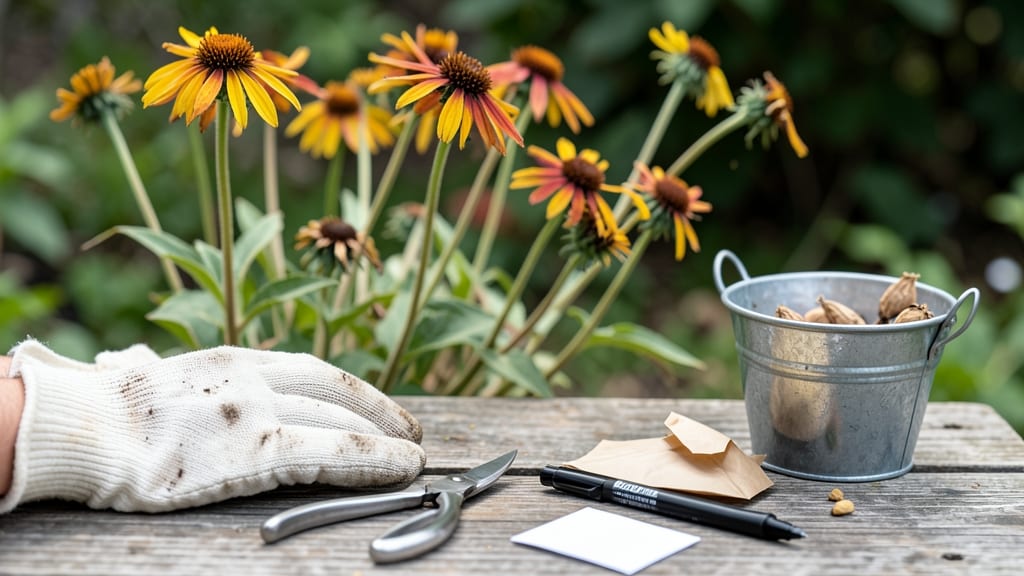
To harvest strawflower seeds, wait until the flower heads turn brown and crumble easily between your fingers—this is when they’re fully ripe and ready for collection.
Strawflowers (🌼 Helichrysum bracteatum) are prized for their vibrant blooms, but their real gardening magic lies in their seeds, which can be easily harvested for next year’s garden or shared with fellow plant lovers.
Timing is everything—harvest too early, and the seeds won’t be viable; wait too long, and they’ll scatter before you can collect them. The key is spotting the perfect moment when the seed heads dry out and release seeds with the slightest touch.
In this guide, I’ll walk you through the exact steps to identify ripe seed heads, gather them efficiently, and store them properly to ensure a successful harvest every time.
When and how to identify perfectly ripe strawflower seed heads
Harvesting strawflower seeds at the perfect moment ensures high viability and strong germination rates for next season. The key lies in watching for visual and tactile cues that signal maturity.
Unlike many flowers, strawflowers (Helichrysum bracteatum) don't produce seeds immediately after blooming—they require complete drying of the flower head before collection.
Timing is everything because strawflower seeds scatter easily once fully dry. If you harvest too early, seeds won't be viable; too late, and they'll spill onto the ground, reducing your yield.
The ideal harvest window occurs during late summer to early fall (typically August-October in most USDA zones), when flower heads transition from vibrant colors to uniform brown and become papery.
| Sign of Readiness | What to Look For | Action Required |
|---|---|---|
| Color Change | Petals turn uniformly brown (not green or multicolored) | ✅ Harvest within 2-3 days |
| Texture Shift | Flower heads feel dry and brittle; stems snap easily | ✅ Ideal for seed collection |
| Seed Release | Seeds crumble easily when touched or shaken | ✅ Ready for immediate drying |
| Environmental Cues | Morning dew disappears quickly; no green remains | ✅ Best harvest time: dry mornings |
| Avoid Overripe | Seed heads shatter open on their own | ❌ Harvest immediately to prevent loss |
Start by examining the flower head structure. Mature strawflower seed heads will have brown, papery petals that no longer resemble their original vibrant colors. The center of the flower should feel completely dry—if it still has any moisture or green, wait a few more days.
A simple finger test works best: gently press the flower head. If seeds crumble between your fingers, they're ready.
Environmental conditions also play a crucial role. Harvest on dry, sunny mornings when humidity is low. This reduces the risk of mold growth during the drying process. Avoid harvesting after rain or in high-humidity periods, as excess moisture can cause seeds to spoil.
The best time of day is early morning, when dew has evaporated but temperatures are still cool.
Pay attention to the stem condition as well. Mature strawflower stems become dry and brittle, often snapping easily when bent. If stems remain flexible or green, the flower head isn't ready.
This is a common mistake—many gardeners harvest too early because they focus only on the flower head's color, ignoring the stem's readiness.
One of the biggest challenges is distinguishing between ripe and overripe seed heads. Overripe strawflowers will shatter open on their own, releasing seeds onto the ground. If you notice seed heads breaking apart naturally, act quickly to collect what remains.
Overripe seeds may still germinate, but their viability drops significantly compared to freshly harvested ones.
For large gardens, use a magnifying glass to inspect flower heads closely. Look for tiny brown seeds nestled in the center—these are the ones you want. If seeds appear green or translucent, they're not ready.
The goal is to harvest when seeds are fully mature but before they scatter, ensuring maximum yield and quality.
Remember that strawflower seed heads don't all ripen at once. Different plants may mature at slightly different times, so check your garden regularly. A weekly inspection during late summer and early fall will help you stay on top of the harvest window.
Keep a small notebook to track which plants ripen first—this helps with planning for next season.
Once you've identified ripe seed heads, act quickly but carefully. The next step is gentle removal to avoid damaging the plant or losing seeds. Use clean, sharp pruning shears or scissors to cut the entire flower head, leaving about 1 inch of stem attached.
This makes handling easier and reduces the risk of seeds spilling during transport.
Finally, store harvested seed heads in a paper bag or breathable container to complete drying indoors. Place them in a warm, dry, and well-ventilated area away from direct sunlight.
Within a week, seeds will be fully dry and ready for long-term storage. Proper drying is critical—moisture is the enemy of seed viability.
Step-by-step strawflower seed harvesting techniques for easy collection
Harvesting strawflower seeds is simpler than you think, but timing and technique make all the difference. Once your flower heads turn brown and papery, they’re ready for collection—but rush it, and you’ll end up with immature seeds that won’t sprout.
The key is patience and gentle handling to preserve seed viability for next season’s garden.
Start by gathering just a few essential harvesting tools: a pair of clean scissors or pruners, a small paper bag or envelope for storage, and a drying tray lined with parchment paper.
Work on a dry, sunny day when humidity is low—this minimizes the risk of mold or rot during drying. Avoid harvesting after rain, as damp seeds won’t dry properly.
-
Step 1: Identify Mature Heads
Look for fully brown flower heads that rattle when shaken. Press gently—if seeds crush easily between your fingers, they’re ready.
-
Step 2: Cut or Twist Off Heads
Use clean pruners to snip stems just above a leaf node, or twist heads off by hand. Avoid damaging healthy foliage to keep the plant thriving.
-
Step 3: Remove Seeds from Heads
Place heads in a paper bag and shake gently to release seeds. Alternatively, rub heads between your palms to dislodge them.
-
Step 4: Dry Seeds Thoroughly
Spread seeds on a drying tray in a warm, dry spot (like a sunny windowsill) for 1-2 weeks, stirring occasionally to prevent clumping.
-
Step 5: Store Seeds Properly
Once completely dry, transfer seeds to a paper envelope or airtight container. Label with the harvest date and store in a cool, dark place for up to 2 years.
Never harvest seeds from overripe heads that have already shattered—they’ll scatter and waste your effort. If you miss the window, wait for the next flowering cycle, as strawflowers often rebloom in favorable conditions. For best results, harvest in the morning when dew has evaporated but temperatures are still mild.
Proper drying is critical: moisture-laden seeds develop mold and lose viability. If your climate is humid, consider using a dehydrator set to 95°F (35°C) for 2-3 hours to speed up the process. Always test a few seeds by pressing them—if they don’t crumble, they need more drying time.
With these techniques, you’ll enjoy a bountiful seed harvest every year, ready to replant or share. Happy harvesting! 🌾✂️🌼