
How To
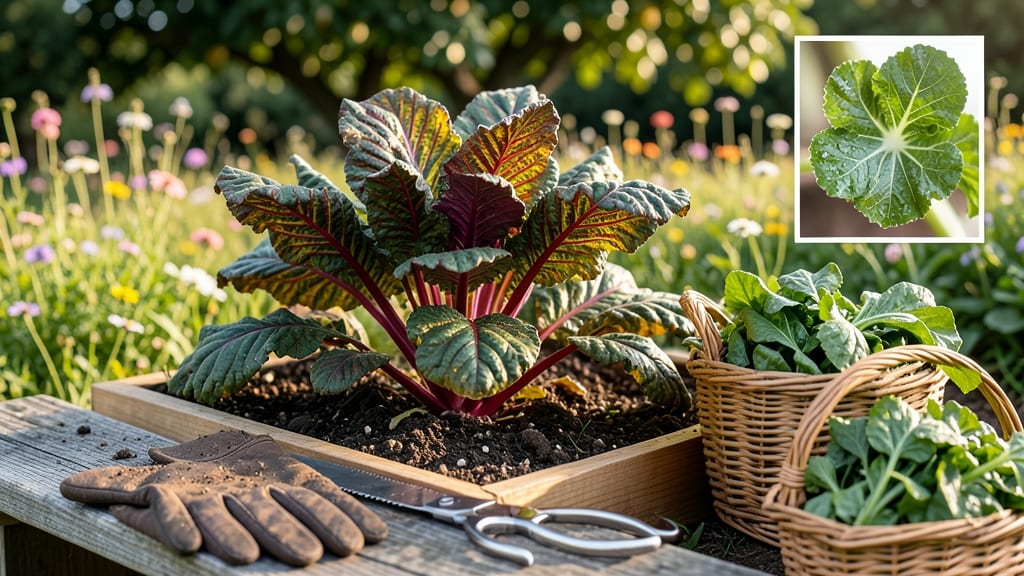
To harvest Swiss chard 🥬 properly, focus on cutting outer leaves when they reach 6-8 inches—this keeps the plant producing while avoiding stress.
Picture this: you’re about to pull a handful of leaves, only to realize you’ve just pulled the whole plant apart. That’s the biggest mistake new gardeners make with Swiss chard. The secret? A sharp cut just above the base, leaving the center intact so it keeps growing.
Harvesting at the right time isn’t just about size—it’s also about color and texture. Look for deep, vibrant hues and crisp stems that yield slightly when pressed. These are your cues that the leaves are ready, not bitter, and packed with flavor.
Below, I’ll walk you through the exact steps, from tools to timing, so you can enjoy a steady supply of Swiss chard all season long—no guesswork, just reliable regrowth.
When and how to harvest Swiss chard for maximum yield
Swiss chard thrives when you harvest it at the right time and use the proper techniques. Unlike many vegetables, it’s a cut-and-come-again crop, meaning you can keep harvesting leaves throughout the growing season.
The key is to pick leaves when they’re mature but before they become tough or bitter. This ensures both quality and continuous regrowth, giving you a steady supply of fresh greens.
Timing your harvest correctly depends on the leaf size, stem firmness, and seasonal conditions. For most varieties, you’ll want to start harvesting when leaves reach 6-8 inches in length.
This is typically 50-70 days after planting, depending on your climate. Cold-hardy varieties like 'Bright Lights' or 'Fordhook Giant' can even produce harvests well into fall, making them ideal for extended yields.
Here’s how the two most common harvesting methods compare:
| Method | Best For | Regrowth Impact | Harvest Frequency | Tools Needed |
|---|---|---|---|---|
| Leaf-by-Leaf | Continuous harvests, tender leaves | Encourages new growth | Every 2-3 weeks | Clean scissors or sharp knife |
| Stem Cutting (Cut-and-Come-Again) | Bulk harvests, mature plants | Stimulates bushier regrowth | Every 4-6 weeks | Pruning shears or sharp knife |
For leaf-by-leaf harvesting, focus on the outer leaves first. These are the most mature and won’t affect the plant’s ability to regrow. Use a clean, sharp pair of scissors or a knife to snip just above a leaf node.
This method works best when leaves reach 6-8 inches and are vibrant in color. Avoid cutting more than ⅓ of the plant at once to prevent stress.
If you prefer a stem-cutting approach, wait until the plant is more established, typically after 6-8 weeks of growth. Cut the entire stem 1-2 inches above the soil line using pruning shears.
This method encourages the plant to produce multiple side shoots, creating a bushier harvest. It’s ideal for late-season harvests or when you need a larger quantity of greens at once.
Seasonal timing plays a crucial role in maximizing your yield. In spring and fall, Swiss chard grows more slowly, so harvest every 3-4 weeks. During summer’s peak heat, the plant bolts faster, so harvest more frequently—every 2 weeks—to keep it productive.
If you’re in a cooler climate, you can even harvest through light frosts, as Swiss chard is cold-hardy down to 20°F.
Look for these signs of maturity to determine the best time to harvest: leaves should be deeply colored, thick and crisp, and 6-8 inches long. Avoid harvesting when leaves are small and tender or woody and bitter.
Over-mature leaves lose flavor and texture, making them less enjoyable to eat. By harvesting at the right stage, you’ll ensure both quality and quantity throughout the season.
After harvesting, always use sterilized tools to prevent disease spread. Rinse leaves under cool water to remove dirt, then store them in a plastic bag in the fridge for up to 5-7 days.
For long-term storage, freeze harvested leaves by blanching them first. This preserves their nutrient content and flavor for future use.
To keep your Swiss chard producing, maintain consistent soil moisture and fertility after each harvest. A light application of compost or balanced fertilizer every 4-6 weeks encourages vigorous regrowth.
With the right techniques, your Swiss chard can provide harvests for months, making it one of the most rewarding crops to grow.
🌱
Step-by-step Swiss chard harvesting guide: tools and techniques
Harvesting Swiss chard correctly ensures a steady supply of tender leaves without stressing your plants. The key is using the right tools and techniques to make clean cuts while preserving the plant's ability to regrow.
Whether you're growing in containers or garden beds, follow these steps to maximize your yield and keep your chard thriving.
Start by selecting the right harvesting tools. Sharp, clean pruning shears or kitchen scissors work best for cutting stems cleanly without damaging the plant. Avoid dull tools that can crush stems, leading to pest entry points or disease.
For smaller leaves, even your fingers can gently pinch the stems at the base—just ensure you leave enough growth to sustain the plant.
Choose Mature Leaves
Select outer leaves that are 6-8 inches long with deep color. Avoid cutting leaves smaller than 4 inches, as this can stunt regrowth.
Use Clean Tools
Disinfect scissors or pruners with rubbing alcohol before cutting. This prevents spreading bacterial or fungal diseases between plants.
Cut at the Base
Make a clean diagonal cut just above the soil line or where the leaf meets the stem. Leave at least 1/3 of the plant intact to ensure regrowth.
Harvest Strategically
For container gardening, harvest every 2-3 weeks to avoid overcrowding. In garden beds, space cuts 1-2 inches apart to allow airflow and prevent rot.
Post-Harvest Care
After harvesting, water the plant to restore moisture and apply a light mulch to retain soil humidity. Fertilize with balanced NPK every 4-6 weeks to encourage new growth.
After harvesting, store your Swiss chard properly to maintain freshness. Wrap leaves loosely in a damp paper towel and place them in a plastic bag in the refrigerator.
This method keeps them crisp for up to 5-7 days. For long-term storage, blanch and freeze the leaves—this preserves their nutrient content and vibrant color for months.
To prevent bolting or pest damage, avoid harvesting during extreme heat or drought. Swiss chard thrives in cool temperatures (50-75°F) and may bolt if stressed. Regularly inspect plants for aphids or slugs and address issues promptly with organic sprays or barriers.
With these techniques, your Swiss chard will reward you with continuous harvests all season long.
For container gardeners, harvest slightly more frequently—every 2 weeks—to prevent root-bound stress. In larger garden beds, you can extend the harvest window by succession planting every 2-3 weeks, ensuring a steady supply from early summer to fall.