
How To
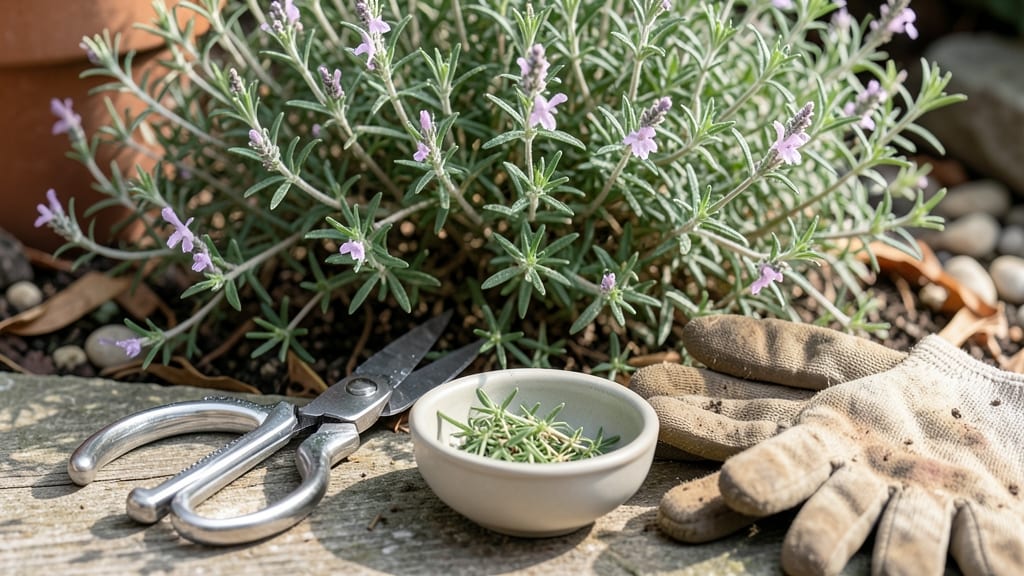
To harvest thyme at its peak flavor and keep your 🌿 plant thriving, timing and technique are everything—cut too soon or too late, and you’ll sacrifice both yield and aroma.
Picture this: you’ve nurtured your thyme all spring, and now the leaves are fragrant and full, but you’re not sure when to snip. Harvest too early, and the stems stay weak; wait too long, and the plant puts energy into flowers instead of flavorful leaves.
The secret lies in knowing exactly when to trim for the best results.
In this guide, I’ll walk you through the ideal harvesting window—from spring’s first flush to fall’s final cut—plus the tools and tricks to prune without harming your plant.
You’ll also learn how to dry or store your harvest so the flavor lasts all year, and the common mistakes that turn a lush thyme bush into a sad, leggy shadow of itself.
Ready to turn your herb patch into a year-round flavor factory? Let’s get started—your kitchen (and your thyme) will thank you.
When to harvest thyme for maximum flavor & plant health
Harvesting thyme at the right time ensures bold flavor and keeps your plant thriving. Perennial varieties like common thyme (Thymus vulgaris) produce best when harvested before flowering, while annual varieties can be harvested more aggressively.
The key is balancing leaf production with plant health—over-harvesting leads to woody stems and stunted growth.
Timing matters because thyme’s aroma and oil content peak when leaves are fully mature but before flowers open. In spring, harvest lightly to encourage new growth, while summer and fall offer the best yields. Morning harvests (after dew dries) deliver the most potent flavor, as oils concentrate overnight.
🌿
| Season | Optimal Harvest Time | Plant Signs | Harvest Tips |
|---|---|---|---|
| Spring | Late May - Early June | 6-12" tall, soft stems, fragrant leaves | Harvest 1/3 of plant to encourage bushiness |
| Summer | June - August | Woody but flexible stems, full aroma, pre-flowering | Harvest regularly (every 4-6 weeks) for continuous growth |
| Fall | September - October | Dense foliage, strong scent, flower buds (optional) | Harvest before first frost; reduce cutting by 50% |
| Winter | None (dormant) | Brown stems, minimal growth | Avoid harvesting; prune dead stems in early spring |
Spring is all about gentle encouragement. New growth emerges in late May, but avoid heavy harvesting until the plant reaches 6-12 inches tall.
Focus on outer stems to avoid damaging the center. Common thyme and lemon thyme varieties respond well to light trims, while creeping thyme (a ground cover type) should only be harvested from the edges to maintain its spread.
Summer is peak harvest season when thyme’s aromatic oils are at their strongest. Look for woody but flexible stems—this signals maturity without overgrowth. Deadhead flowers if you want to prioritize leaf production, as flowering diverts energy away from foliage.
For year-round harvests, space cuts 4-6 weeks apart to allow regrowth.
Fall harvesting should taper off as cool temperatures slow growth. Aim to harvest before the first frost (typically late October in most climates) to preserve flavor.
If your thyme blooms in fall, you can harvest the flowers for tea, but prioritize leaves for cooking. Reduce watering in late fall to prepare the plant for dormancy.
Over-harvesting is the #1 mistake that turns thyme into a woody shrub with sparse leaves.
Never cut more than 1/3 of the plant at once, and always leave lower leaves intact to protect new growth. Perennial thyme can handle 2-3 harvests per year if done correctly, while annual varieties may produce more aggressively but for a shorter season.
🌟
For container-grown thyme, harvest even more carefully—roots are confined, so over-pruning stresses the plant. Use sharp scissors (not your kitchen knives!) to make clean cuts just above leaf nodes. After harvesting, rinse leaves gently and dry them in bundles
Step-by-step thyme pruning techniques for year-round growth
Pruning thyme isn’t just about harvesting—it’s about revitalizing your plant for continuous growth. When done right, regular trimming encourages bushier foliage, prevents woody stems, and extends your harvest season.
The key lies in timing and technique, whether you’re topping, side-pruning, or deadheading. Let’s break down the process so your thyme thrives year-round.
Before you grab your shears, gather the right tools: sharp pruning shears or clean scissors (avoid dull blades—they crush stems). You’ll also need a small bowl to collect your harvest and a spray bottle with water for post-pruning care.
Work on a dry, sunny morning to minimize stress on the plant and ensure fresh cuts heal quickly.
How to Harvest Thyme: Step-by-Step Guide
- Step 1: Identify healthy stems with 3-4 sets of leaves. Avoid cutting into woody bases—aim for the upper third of the plant.
- Step 2: Use clean shears to make a 45-degree angle cut just above a leaf node. This encourages new growth from the side buds.
- Step 3: Harvest no more than 1/3 of the plant at once to avoid shocking the thyme. Spread cuts evenly across the plant for balanced regrowth.
- Step 4: For bushier growth, pinch off flower buds as they form. This redirects energy to leaf production instead of seed development.
- Step 5: After pruning, lightly mist the plant with water to reduce stress. Avoid heavy watering immediately after cutting to prevent rot.
- Step 6: Store harvested thyme in a paper bag in the fridge for up to 1 week, or hang bundles upside down in a dark, dry place to dry for long-term storage.
Frequency is crucial: prune thyme every 4-6 weeks during the growing season (spring through early fall). In late summer, reduce pruning to allow the plant to harden off before winter. For container-grown thyme, prune slightly more often since roots are confined and need encouragement to spread outward.
Post-harvest care is just as important as the trim itself. After cutting, remove any damaged or yellowing leaves to improve air circulation. If your thyme looks leggy or sparse, it’s time for a harder prune: cut back 1/2 the plant’s height in early spring.
This drastic trim stimulates new growth from the base, giving you a fuller plant by summer.
Remember, thyme is drought-tolerant but still benefits from occasional deep watering after pruning. Avoid over-fertilizing post-harvest—thyme thrives in poor soil and too many nutrients can lead to floppy, less aromatic growth. A light application of compost in spring is often enough to keep it happy.
With these techniques, your thyme will stay lush, fragrant, and productive for years. The secret? Consistency and gentle hands. Your plant will reward you with abundant harvests and a neat, compact shape that’s perfect for containers or garden borders. Happy pruning! 🌿✂️