
How To
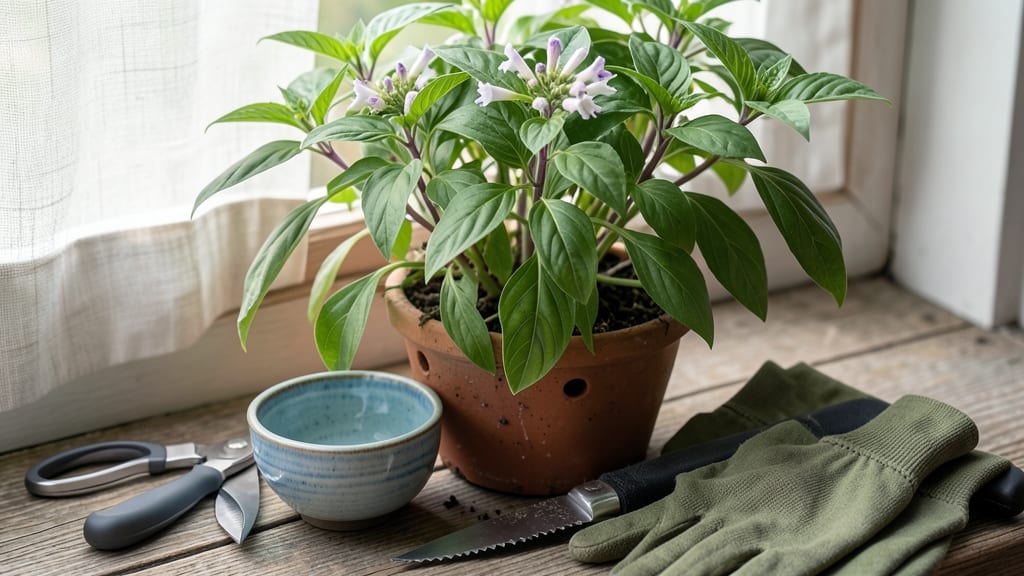
Harvesting tulsi at the right time unlocks its full flavor and medicinal benefits 🌿 — the key is knowing when those leaves are primed for picking.
Picture this: you’ve nurtured your tulsi for months, and now it’s time to reap the rewards. But if you wait too long, those vibrant leaves turn bitter, and the plant’s energy shifts to flowering instead of growth. That’s why timing matters more than you might think.
In this guide, I’ll walk you through the best times of day to harvest, how to spot peak freshness in your tulsi, and the simple pruning techniques that keep your plant thriving. You’ll also learn how harvesting actually encourages bushier growth—so you get more leaves over time.
Whether you’re drying leaves for tea, adding them to dishes, or using them for remedies, these steps ensure you get the most out of your holy basil every time.
When to harvest tulsi for maximum freshness and potency
Timing your tulsi harvest correctly is the secret to unlocking its peak flavor and medicinal potency. Unlike many herbs, tulsi doesn't just lose flavor when overgrown—it can become bitter and less effective for Ayurvedic remedies or culinary uses.
The best time to harvest is when the plant is actively growing but hasn't yet started flowering, typically 60-90 days after planting, depending on your climate.
For maximum freshness, focus on harvesting the younger leaves in the morning after the dew has dried but before the midday heat sets in. This timing preserves the essential oils that give tulsi its signature aroma and health benefits.
Evening harvests are possible, but the leaves may wilt faster due to residual heat stress.
Look for dark green leaves that are 2-3 inches long—these are the sweet spot for harvesting tulsi. The leaves should also release a strong, fresh aroma when crushed between your fingers.
If you notice the stems becoming woody or hardened, it's a sign the plant is past its prime for harvesting. This often happens when tulsi is 4-6 months old or when it starts producing flower buds.
Seasonal timing matters too. In USDA Zone 6, the ideal harvest window stretches from late spring through early fall (May to October). If you're growing tulsi in containers, you can extend the harvest season by bringing potted plants indoors before the first frost.
Just avoid harvesting during extreme heat waves, as this can concentrate bitter compounds in the leaves.
One of my favorite tricks is to harvest tulsi regularly—about every 2-3 weeks—to encourage bushier growth. When you remove the top sets of leaves, the plant responds by producing new shoots from the base.
This keeps your tulsi compact and productive for months. Just be sure to never take more than one-third of the plant in a single harvest to avoid stressing it.
For medicinal purposes, prioritize harvesting the youngest leaves from the top of the plant. These contain the highest concentration of eugenol and ocimene, the compounds responsible for tulsi's anti-inflammatory and antioxidant properties.
If you're growing spiritual tulsi (Tulsi Krishna), the same rules apply—harvest before flowering for the brightest green color and strongest energy.
Morning harvests are non-negotiable for culinary use. The essential oils in tulsi are most concentrated after a cool night and before the sun's heat causes them to evaporate.
Store harvested leaves in the fridge for up to 5 days or dry them in a shady, well-ventilated area for long-term storage. Avoid washing leaves before drying, as moisture can lead to mold.
If you miss the prime harvest window, don't panic. Tulsi is perennial in warm climates and will regrow from the base. Simply trim back the overgrown stems to encourage new growth.
Just remember: the earlier you harvest, the more potent your tulsi will be—whether you're brewing tea, making Ayurvedic remedies, or adding it to your favorite dishes.
Step-by-Step guide to harvesting tulsi without damaging the plant
Harvesting your tulsi (holy basil) correctly keeps the plant healthy while ensuring the brightest flavor and highest potency. The key is timing and technique—cutting too much or too little can stress your plant or reduce its yield.
I’ve learned that morning harvests yield the freshest leaves, packed with essential oils and vibrant green color. Plus, regular pruning encourages bushier growth, giving you a continuous supply of aromatic leaves.
Before you grab your pruning shears, identify the right leaves to harvest. Look for fully developed leaves that are 2-3 inches long and dark green. These are prime for picking while leaving younger leaves to grow.
Avoid harvesting leaves that are still unfolding or have a weak aroma—they won’t deliver the same benefits. I always check for woody but flexible stems; if they snap easily, the plant isn’t ready for heavy harvesting.
How to Harvest Tulsi: A Simple Process
- 🌱 Step 1: Choose the Right Time
- ✂️ Step 2: Use the Right Tools
- 🌿 Step 3: Select Leaves Wisely
- 🌱 Step 4: Prune for Bushier Growth
- 💧 Step 5: Post-Harvest Care
Harvest in the early morning (6-9 AM) when essential oils are at their peak. Avoid harvesting after noon, as leaves can become bitter.
Use clean, sharp pruning shears or scissors to make precise cuts. Dull tools crush stems, stressing the plant and inviting pests or disease.
Pick outer leaves first, leaving the inner growth intact. Aim for leaves that are 2-3 inches long and dark green. Avoid cutting flower buds, as this can reduce leaf production.
Trim 1/3 of the plant’s height to encourage lateral branching. Cut just above a leaf node (where leaves meet the stem) to promote new growth.
After harvesting, water the plant deeply to replenish moisture. Apply a light fertilizer (5-10-10) if you’re harvesting frequently to support regrowth.
Did you know that harvesting tulsi regularly actually encourages the plant to grow fuller and bushier? I’ve noticed that my tulsi plants thrive when I harvest every 2-3 weeks during the growing season (spring to early fall).
This method prevents the plant from becoming woody or leggy, which can happen if you wait too long between harvests. Plus, frequent harvesting ensures a steady supply of fresh, flavorful leaves for your tea, cooking, or medicinal remedies.
After harvesting, store your tulsi leaves properly to maintain their freshness and potency. Wrap them in a damp paper towel and place them in a sealed plastic bag in the fridge for up to 5-7 days.
For long-term storage, dry the leaves in a well-ventilated, dark place for 3-5 days, then crush and store in an airtight container away from light. Dried tulsi retains its medicinal properties for up to 6 months, making it perfect for teas or supplements.
One mistake I made early on was harvesting too many leaves at once, which left my tulsi looking sparse and stressed. Now, I follow the “thirds rule”: never remove more than 1/3 of the plant’s foliage in a single session.
This keeps the plant healthy and productive while ensuring it has enough energy to recover. With the right approach, your tulsi will reward you with abundant, aromatic leaves all season long.