
How To
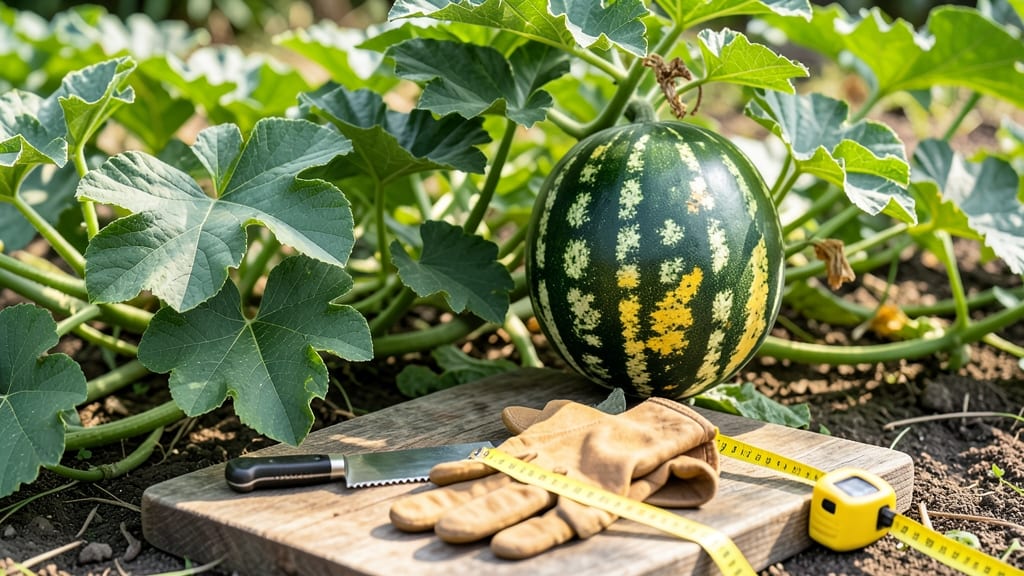
To know when to harvest watermelon, watch for three key signs: a creamy yellow spot on the ground side, a dry curly tendril near the stem, and a deep, consistent rind color 🍉.
Picking a watermelon too early means bland, seedy disappointment—but harvesting too late risks overripe mush. Master these science-backed tricks to guarantee the sweetest, juiciest watermelon every time you slice into one.
Most gardeners miss the best window by focusing only on size or color. The truth? Watermelons develop sweetness over days, not weeks, and one overlooked detail—like the tendril’s dryness—can mean the difference between a perfectly ripe melon and one that’s still hard or already past its prime.
Below, I break down the exact visual and tactile cues to check, the best time of day to harvest for maximum flavor, and the three mistakes that ruin even the ripest-looking melons. No guesswork, just proven results for your garden.

3 Field tests to determine watermelon ripeness (with exact visual & tactile cues)
Nothing beats the thrill of harvesting your own watermelon—except maybe slicing into one so sweet it makes your taste buds dance. But here's the catch: overripe melons turn mushy and bitter, while underripe ones taste bland and seedy.
The key? Mastering these three field tests that reveal ripeness through color, texture, and sound. These methods aren't just folklore—they're backed by science, from chlorophyll breakdown to starch-to-sugar conversion.
First, let's address the elephant in the garden: why these tests work. Watermelons ripen from the inside out, and their external cues are direct signals of internal sweetness.
The ground spot changes color due to carotenoid accumulation, while tendril dryness indicates the plant is redirecting nutrients to the fruit. Even the thump test relies on the fruit's internal air pockets expanding as sugars develop. Skip these, and you risk a sour or watery disappointment.
Before diving into the tests, grab these tools: a sharp knife (for cutting stems), a wooden spoon (for thumping), and a gloved hand (to protect your skin from rough rinds). Work in morning sunlight—this is when temperature fluctuations are minimal, and colors appear most accurate.
Pro tip: Wear sunglasses if you're working in bright light; squinting can distort your perception of the ground spot color.
| Test Method | Ripe Indicator | Unripe Indicator | False Positive Risk | Scientific Basis |
|---|---|---|---|---|
| Ground Spot Color | Creamy yellow or orange | Green or pale white | Sunburned spots (brown) | Carotenoid accumulation from sunlight |
| Tendril Dryness | Brown, crispy, detached | Green, flexible, attached | Disease or pest damage | Nutrient redistribution to fruit |
| Thump Test | Dull, hollow sound | Thud or solid thump | Overripe or cracked fruit | Air pockets from sugar development |
| Bonus: Stem Check | Dries, separates easily | Green, moist, tight | None (reliable if others pass) | Ethylene release triggers abscission |
The first test is all about color psychology. Look for the ground spot—the area where the watermelon rested against the soil. A ripe watermelon will have a creamy yellow or orange spot, about the size of a quarter.
This isn't just aesthetics; it's a carotenoid signal that sugars have fully developed. If the spot is still green, the melon needs more time. And if it's brown, that's a false positive—sunburn, not ripeness.
Varieties like Crimson Sweet develop a deeper yellow, while Seedless types may show a paler cream.
Next, check the tendril near the stem. This isn't the main vine—it's the small, curly tendril that grows opposite the fruit. When ripe, it should be brown, crispy, and easily detached from the vine.
This tendril dryness is your cue that the plant is redirecting nutrients to the fruit. A green tendril means the melon isn't ready yet. But watch out: pests or disease can also brown tendrils, so always pair this test with the ground spot check.
Now for the thump test, the most debated but most reliable method when done right. Tap the watermelon near the stem end with your knuckles or a wooden spoon. A ripe melon will sound dull and slightly hollow, like thumping a drum.
An unripe one will give a thud or solid sound. The key? Don't tap too hard—you're not trying to crack it open. Overripe melons can also sound hollow, so combine this with the other two tests.
Pro move: Thump in the shade—sunlight can make the rind feel firmer than it is.
Here's where regional variations come into play. In hot climates like Arizona or Texas, waterm
The best time of day to harvest for maximum sweetness (and why it matters)
Watermelons pack their peak sweetness when harvested at the right time of day. The morning hours (before 9 AM) are ideal because cooler nighttime temperatures allow sugars to fully develop overnight. This natural process creates that perfect balance of sweetness and juiciness we all crave.
Harvesting in the late morning gives you the best of both worlds: the sugars have had time to accumulate overnight, but the fruit hasn't yet started converting those sugars into starches from daytime heat.
If you miss this window, you might end up with melons that taste less sweet and more bitter.
Here’s why timing matters: Watermelons are C3 plants, meaning their sugar production peaks when temperatures are below 85°F (29°C). Afternoon heat (especially after 2 PM) causes the plant to prioritize water retention over sugar production, leading to a less flavorful harvest.
| Time of Day | Sugar Development | Best For | Avoid If |
|---|---|---|---|
| 6 AM - 9 AM | Peak sugars (cooler temps) | Sweetest flavor | None |
| 9 AM - 2 PM | Moderate sugars (warming up) | Good compromise | Tests fail |
| 2 PM - 6 PM | Lower sugars (heat stress) | Emergency harvests | All tests pass |
Even if your watermelon passes all ripeness tests (like the thump test or tendril dryness), harvesting in the afternoon can still reduce sweetness. The plant’s photosynthesis slows as temperatures rise, causing sugars to break down faster than they’re produced.
Pro tip: If you must harvest later in the day, wait until late afternoon (after 4 PM) when temperatures start dropping. This gives the melon a final chance to stabilize its sugar content before picking. Just don’t expect the same level of sweetness as a morning harvest.
Remember, consistent moisture and cool nights are your allies in maximizing sweetness. If your region experiences high daytime heat (above 90°F/32°C), harvest slightly earlier in the morning to preserve flavor.